
Home / Lubricants & Metalworking Fluids / Articles
Lubricants & Metalworking Fluids
Articles in this industry.
How Basestocks and Additives Are Improving Energy Efficiency
Lubricants have been helping vehicle fuel efficiency since CAFE standards were enacted in 1975. The amount of energy manufacturers can save using high-quality lubricants is significant. Cost and lubricant performance are still priorities if you are to provide value to your customers.
How Do You Think Lubrication Engineers Will be Using Mobile Apps in Their Jobs 5, 10, or 20 Years From Now?
It’s an app, app, app, app world. Reportedly Apple has crossed the 300,000-app barrier for the iPhone. The iPad is said to offer more than 60,000 apps with dozens more arriving every day. Today most STLE members are using their mobile apps for non-work-related functions—checking e-mail, accessing the Internet, playing games, catching up on news and sports and listening to music.
How Will Oil Analysis Change Five Years From Now?
Nearly two-thirds of TLT readers believe that oil analysis is on the cusp of major changes compared to how it’s traditionally been conducted. More real-time testing with handheld instruments (potentially mobile devices) at the machine’s location is expected.
Human Lubricants
Serous fluids help keep our internal organs functioning smoothly.
Hydraulic Fluid Efficiency in Construction Equipment
Demand has increased for high-performance hydraulic fluids in the marketplace.
Hydraulic Systems: Emerging Technologies
Emerging technologies in hydraulic systems is covered in this article.
Hydraulics: The Reservoir
The hydraulics reservoir is the critical piece of the hydraulic system. It functions in many ways to help prevent equipment failures.
Improving Equipment Reliability with Ultrasound
Reliable, versatile and low cost, the handy condition monitoring tool serves in multiple applications.
In Search Of: The Perfect Biodegradable Lubricant
The perfect biodegradable lubricant would be eco-non-toxic, biodegrade quickly and into non-damaging components, perform acceptable and cost-effectively, and be capable of sustainable large-scale production.
In Today's Resource-Finite World, Survival Starts with Innovation
As the world population grows, the notion of sustainability has taken on a new dimension. Existing technologies can be improved through the use of constant innovation. From a global perspective, green chemistry is inherently more profitable than non-green chemistry.
Industry Report: The Ongoing Challenges of CHS Compliance
The issue of disclosing proprietary information to comply is still not resolved in the U.S., but other countries, notably Canada, have developed a workaround.
Integrating Online Sensors And Filtration For Moisture Management
Newer methods are providing better results than traditional sampling, processing and reporting techniques.
Is Natural Gass Green?
70% of oil in the U.S. goes to fuel cars, which then generate 30% of our greenhouse gases. Natural gas-fueled automobiles are on the horizon, and the technology already is being used for some trucks. More technology is needed to make natural gas-fueled cars a reality, but the costs aren’t prohibitive.
Key Trends in Bearing Lubrication
Armed with new materials, manufacturers are developing energy-efficient bearings for specific applications.
Leveraging the Power of Oil Analysis
Leveraging the Power of Oil Analysis is a column about the benefits of oil analysis. So it is with oil analysis where the time and attention to detail makes the difference between mediocre return on investment and spectacular return that saves critical equipment, prolongs the life of expensive machinery and eliminates the surprises that lead to shutdowns.
Lube Fundamentals: A Scintillating Seal Story
Industry and government form a partnership to reduce methane emissions.
Lubricant Additives: What Degree are They Removed by Filtration Systems?
Several factors indicate that additive removal by filters is nonexistent in properly maintained lubricant systems. Concern has been raised in the lubricant industry on an anecdotal basis that filters may remove additives from lubricants.
Lubricants for Formula One Cars
Reducing friction helps to improve power and fuel efficiency.
Lubricating Wire Ropes and Chains
An in-depth look at wear, maintenance and the unique requirements of these hard-working components.
Lubrication And Maintenance Of Industrial Machinery: Best Practice
Certain to become an industry standard, this volume shows how lubrication maintenance fits into an overall proactive maintenance program. Edited by two of the most respected names in the field and written by leading industry experts, each chapter discusses an important aspect of lubrication, including deterioration, test methods, cleanliness, failure analysis, scheduling, handling and storage, conservation, and used oil recycling.
Lubrication and Wear Issues Involved with Natural Gas Engines
Natural gas engines pose unique problems for the lubrication professional, and many TLT readers responded to this month’s questions by citing issues relating to alkalinity, viscosity, oxidation, acid number and nitration. Valves and bearings were the components most mentioned. Switching to low-ash lubricants, synthetics and Group II lubes were offered as possible solutions.
Lubrication Fundamentals: A 28-Year-Old Government Report Still Has Lessons For Those Who Wish To Hear
This article is about an ECUT report in 1983 and why it is important to lubricant fundamentals.
Lubrication Fundamentals: ‘Metal Removal Fluids: Global Challenges’
The fourth symposium in this series featured an all-star lineup of speakers and revealed seven industry-changing trends.
Lubrication Fundamentals: Old Meets New at International Joint Tribology Conference
Researchers are unraveling the secrets of materials and processes that have long stumped the lubricants industry.
Lubrication Technology and Management: The Next 10 Years
Reprinted with permission in the February 2011 issue of TLT, the official monthly magazine of the Society of Tribologists and Lubrication Engineers, a not-for-profit professional society headquartered in Park Ridge, Ill.
Machinery Oil Analysis
The technology and best practices of this rapidly growing field continue to evolve. Thus, the revised edition of Machinery Oil Analysis is updated with the newest information. This third edition provides a practical, insightful and credible source of information to those involved in oil analysis and machinery maintenance.
Making Science Fun!
Together STLE and ASM International are getting students interested in science and mathematics.
Marine Diesel Engine Oils
Oil requirements in Europe spark concern for the shipping industry.
Maximizing the Benefits of Fluid Analysis
The secret? The lab and customer must work together. Here’s how to do it.
Maximizing the Impact of Lubricant Analysis Reports
Get through to senior managers by choosing a format that emphasizes costs, not technology.
Metal Deactivators: Inhibitors of Metal Interactions with Lubricants
A data management and reporting solution is imperative to a successful fluid analysis program. What prevents companies from fully realizing the benefits of such software applications?

Metalworking Corrosion Issues and Test Methods
Evaluating corrosion problems in metalworking and metal-treating applications.
Metalworking Fluids - 2nd Edition
Revised and expanded, Metalworking Fluids summarizes the latest thinking on various technologies related to metalworking fluid development, evaluation, and application. This second edition contains new chapters on metal cutting, air quality, and fluid mist in the workplace, and costs and benefits of metalworking fluids.
Metathesis Powers Marketability of Biobased Lubricants
Lubricant researchers need new tools that provide high viscosity index, low volatility, low-temperature fluidity, high-temperature performance and good oxidative stability for today’s demanding lubricant needs. Experts think that metathesis-processed renewable oils will be the key to producing high-performance, biobased base oils and additives.
Microbial Problems in Metalworking Fluids
Understanding four significant factors can help control microbial contamination in metalworking operations.
Monitoring And Maintaining MWFs
A well-planned and structured program is all you need to keep them in good condition.
Monitoring Metalworking Fluids
Reprinted with permission from TLT, the official monthly magazine of the Society of Tribologists and Lubrication Engineers, a not-for-profit professional society headquartered in Park Ridge, Ill.
MWF Heat Treatment: Options For A Critical Process
This article is reprinted with permission from TLT, the official monthly magazine of the Society of Tribologists and Lubrication Engineers, a not-for-profit professional society headquartered in Park Ridge, Ill.
MWFs & VOC: Today & Tomorrow
STLE was pleased to co-sponsor a joint symposium in March organized by The South Coast Air Quality Management District (SCAQMD) and ILMA. The event focused on the new Rule 1144 (Metalworking Fluids and Direct-Contact Lubricants) affecting volatile organic component (VOC) regulations in MWFs.
Nanotechnology: Science meets machine reliability
Our ability to measure surface asperities with far greater precision is extending component lifecycles.
Networking for Success
The many ways to find a new career opportunity include networking, search firms, print and online advertisements, employer Web sites and online resume postings. Estimates suggest that 50%- 70% of professional positions are obtained through networking.
New Automobile Motor Oil Spec Long Overdue
GF-6 is still in the testing stage—and might not arrive until 2018.
New Products: Build, Borrow
These four scenarios will help you decide which option is best for your company.
Not All Cables are for Communication
Wire ropes are yet another challenge for tribologists.
Oil Analysis: Finding Economic Value
This is the first of a five-part series on oil analysis.
On-the-Horizon Lubricants Just Might Be the Best Solution to the High Loads and Extreme Conditions that Cause Early Failures
Wind turbine gearboxes are designed to last for 20 years but are beginning to fail within seven. The cause of these failures is mainly extreme internal and external operating conditions. New lubricants could potentially reduce the damage and prolong gearbox life.
One Word: Plastics. Two Words: Hydraulic Oil.
New technological advances are taking shape to control hydraulic oils used in plastic-injection molding machines.
Online Condition Monitoring of Greases
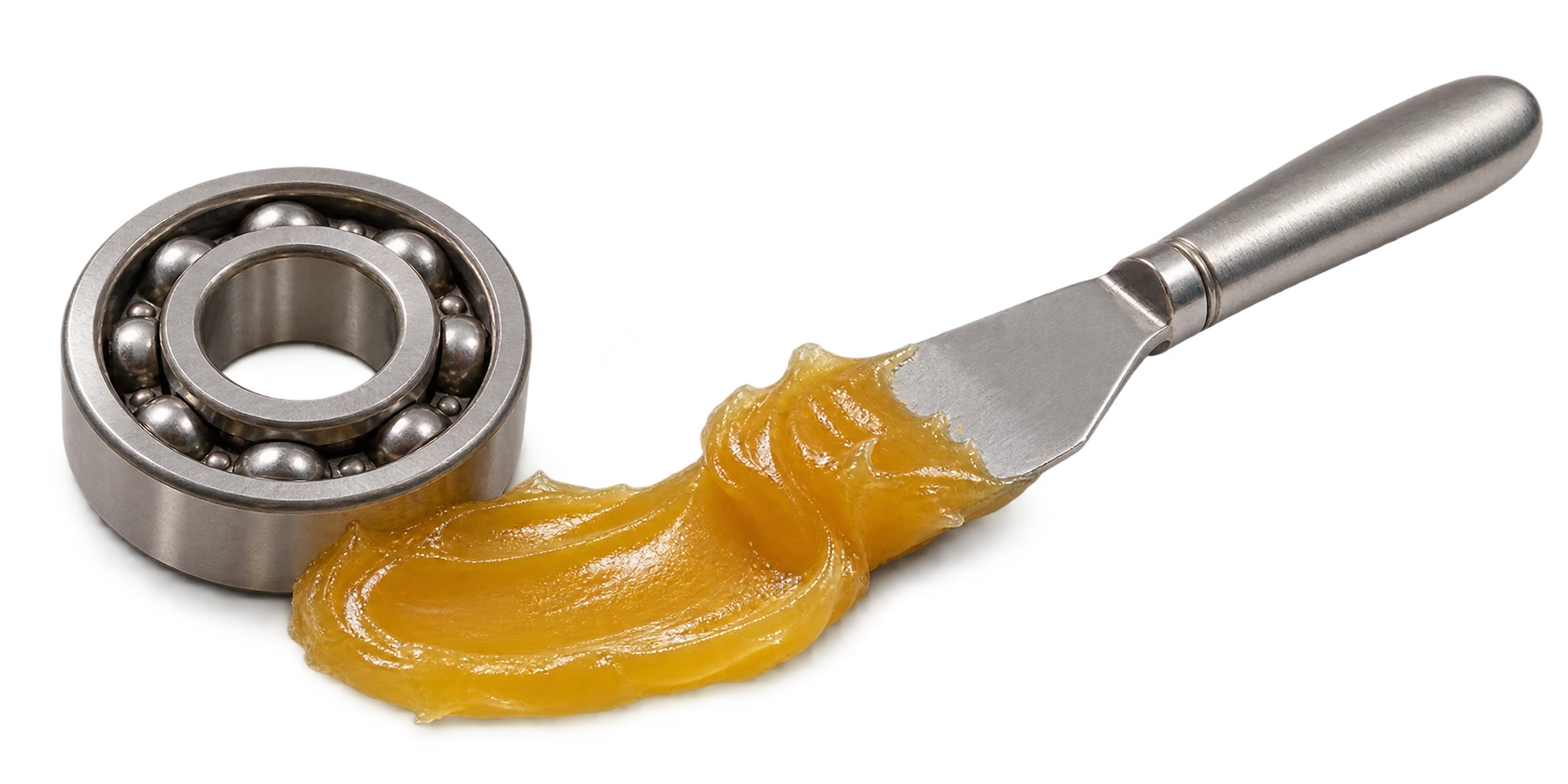
This article is about the online condition for monitoring of greases and how researchers develop sensors for detecting grease quality in bearings.
Onsite Oil Reclamation
How oil reclamation services keep operations running smoothly, reduce liability and produce major cost savings.
Onsite Oil Reclamation
How oil reclamation services keep operations running smoothly, reduce liability and produce major cost savings.
Optimizing Lubrication Effectiveness
This article is about optimizing lubrication effectiveness.
PC-11 and GF-6: New Engines Drive
The challenge now is developing tests to deal with the radical transformation in motors and components.
PDM: Your Choices For An Effective Oil Analysis Program
In the last 30 years, predictive maintenance (PdM) has been slowly replacing PM, particularly for critical equipment.
Please Describe a Problem You Encountered Resulting from Grease Incompatibility
When it comes to grease-related problems, TLT readers have seen it all: hardening, softening, thinning, fouling and product running all over the place. Incompatibility is usually the problem, with readers most often citing a mix of polyurea and lithium complexes. However, when selecting a grease, proper attention also must be given to base oil and, as always, viscosity. Readers offered many resolutions to their grease problems, including personnel training, compatibility research and testing, better labeling, purging the old grease before applying the new, more frequent lube changes and restricting grease activities to a handful of individuals.
Polyalkylene Glycols: Present and Future Applications
60 years after their introduction, these unique lubricants are being used in new applications.
Power to Spare: Hydraulic Hybrids
Already in use in large commercial vehicles, researchers are close to deploying this technology in passenger vehicles.
President’s Report: Science Lights the Way
This article is about how emerging technologies continue to remake our world and how it affects us.
President's Report: Tribology's Royal Celebration
A global community gathered in Buckingham Palace to commemorate the 50th anniversary of the Jost Report—and STLE was there.
Questions to Ask the Employer in a Job Interview
30 strategies to help you walk away with as much information as you provide.
Re-Refined Base Oil Quality
Re-refining used lubricants is an established industry that operates in many countries. However, the scale of the industry, types of processes and quality of products vary from one country to another.
Recyclable Organic Solar Cells: A Process for Making Green Technology Even Greener Uses a Renewable Source Derived from Cellulose Nanocrystals
In examining the current options for generating electricity from renewable sources, using the sun appears to be one of the most promising. The main process used is based on the photovoltaic effect in which the solar radiation is converted into direct current electricity through the use of semiconductors.
Reducing Rolling Bearing Failures: Review These Key Factors to Detect the Cause of the Problem
Bearings are the most common elements in mechanical equipment and can last for a very long time. Rolling bearings, also known as antifriction bearings, can fail in service by a number of different mechanisms and causes. Fortunately, less than 1 percent of rolling bearings do not reach their expected life.
Sample Interval Selection for Optimium Results
Consider these four options before setting an oil sample frequency for your machine.
Seeing the Interface: How Realistic is the Picture?
Close-up and real-time tribological testing help to produce relevant results.
Sense And Sensibility
Science shows how microbes similar to those found in MWFs helped mitigate the effects of a national disaster.
Shale Gas and the Lubricants Market
Natural gas is an appealing energy source, but presents a host of strategic issues for STLE members.
Should Improving Fuel Economy of Older-Model Vehicles be a Priority? Do You Think the Public Would Buy into the Concept?
TLT readers were far from unanimous on this month’s question. Several survey respondents felt the time and effort that would go into upgrading older cars was worth the cost because there are so many of them still on the road. As the economy is making it tougher to buy new cars, they reasoned, it makes sense to get older cars running longer and more efficiently, thereby protecting the environment.
Slip-Stick: What's it All About?
The phenomenon occurs when static friction and kinetic friction cross swords.
Small and Mobile: The Future of On-Site Oil Analysis
Developing technologies are enabling equipment managers to take the lab to the sample instead of the other way around.
So You Want to Develop Engine Oil Engine Tests?
It’s complex, frustrating, time-consuming—and ultimately rewarding.
So You Want To Develop Engine Oil Engine Tests?
It’s complex, frustrating, time-consuming—and ultimately rewarding.
Sounding Board: What are the Biggest Challenges Facing a Predictive Maintenance Program in a Manufacturing Facility?
Lack of understanding and support from senior managers continues to be a vexing problem for STLE members involved with predictive maintenance. Respondents to this month’s survey stated that poor buy-in from the top remains the single biggest obstacle to implementing sound predictive maintenance programs in manufacturing plants.
Sounding Board: What are the Key Benefits from the Ongoing Development and Application of Biobased Lubricants?
Performance is the No. 1 issue that will determine whether the marketplace sees increased use of biobased lubricants, according to TLT readers. While nearly everyone agrees that biobased lubricants offer greater environmental benefits, particularly in outdoor applications and where spills are involved, many say cost and performance issues remain barriers to their expansion.
Sounding Board: What new technologies have you seen that are aiding predictive maintenance programs?
Smartphones, tablets and apps are among the newer technologies cited by TLT readers in response to this month’s survey question. Also mentioned were hand-held infrared scanners, electronic signal analysis and a growing trend toward in-house tools, which can give fluid managers greater control over the oil analysis process and shorten the time needed to receive results. However, many readers noted that the greater issue isn’t related to technology but the continuing battle to get senior managers to understand the importance and revenue-saving potential of predictive maintenance.
Special Report: Boundary Lubricity Additives
This is an in-depth primer on defining this additive type, analyzing its properties and understanding how to make the best selection for your application.
Static Discharge
Charge generation is the result of the triboelectric effect or static electricity—the friction that occurs when certain surfaces come in contact with each other. The power and polarity of the charge depends on the types and properties of materials involved and also properties such as the temperature or humidity of the surrounding environment.
STLE Expands Presence in China Market
Bridging the lubricants gap between East and West.
STLE Member Advising Congress Stresses Need for Greater Technical Expertise
Bharat Bhushan emphasizes how STEM disciplines impact economic growth and influence national policy.
Strategic Oil Analysis: Time-Dependent Alarms For Extended Lubricant Lifecycles
Time-dependent alarms reveal the actual rate of wear per unit of time. The unit of time could be replaced with other incremental units, including production values, miles or operating cycles. As time intervals per oil change increase, the rate of top-up volume should be factored to reflect dilution effects.
Teach, Don’t Punish
When it comes to safety training, personnel must understand the reasons why you have established policies and procedures.
The Advantages of Perfluorinated Polyethers
Their unique attributes make them the lubricant of choice for many demanding applications.
The Advantages of Synthetic Metal-Removal Fluids
Low foaming, no misting and rapid heat dissipation are among the benefits.
The Advantages of Synthetic Metal-Removal Fluids
Low foaming, no misting and rapid heat dissipation are among the benefits.
The Challenge of Low-Viscosity Engine Oils
A project is planned to demonstrate a concept car with a lower viscosity grade by mid-2016.
The Drive for More Fuel-Efficient Engines
Improving fuel efficiency means either advancing the internal combustion engine or developing alternative engines. The only other successful engine system in the consumer market is the gas-electric hybrid. New engine technologies are plagued by obstacles that are proving difficult to overcome.
The Drive for Next-Generation Auto Engine Oils
For just a little more money, they make a big difference in performance.
The Elemental Test
When analyzing oil, you must know which indicators are calls to corrective action.
The Elephant In The Wind Turbine
Full-scale efforts are underway to solve the giant gearbox problems that are preventing these machines from reaching their full potential.
The Evolution of Synthetic Lubricants
While more expensive than mineral oils, these complex compounds can result in an overall lower cost of machine maintenance.
The Five Levels of Fleet Maintenance
A fleet manager for the Virginia DOT offers a goal-driven program that has passed the hardest test of all—life on the streets.
The Future of Heavy Duty Diesel Engine Oils
Base oil selection and compliance with new additives are some of the challenges facing end-users and the industry.
The Future of Metalworking Fluid Additives
Formulators in the U.S. and Europe respond to the challenge of ever-tightening government regulation.
The Global Case for Green
This article is about why smart industrial managers think in terms of green chemistry and sustainability. It explains the key principles to implementing a green strategy in a facility. Lastly, it is about a well-meaning manager can cause major problems and add costs to waste-treatment processes.
The Growth of Biobased Metalworking Fluids
To keep up with the growing demand for metalworking fluids that are made from renewable resources, formulators are developing biobased products that, in many cases, perform as well or better than conventional MWFs at a comparable price.
The Influence Of Amine Structure On Performance In MWFs
Certain amines can enhance the performance of antimicrobials and could be inhibitory themselves.
The Mysterious World of Lubricant Additives
This handy primer is your guide to these multifunctional and all-important chemicals.
The Power of Aircraft Hydraulic Redundancy Systems
They're why today's aircraft rarely crash- but surprising flaws reside in the system.
The Pros and Cons of ISO
Establishing uniform standards can help ensure products work well and safely in today’s global economy.
The Real Reasons Why Hydraulic Fluids Fail
And strategies to stop problems before they start.
The Road to Better Mileage
It’s a great time to be a tribologist in the automotive industry! The automotive industry, indeed, has historically provided much opportunity to those skilled in the arts of friction, lubrication and wear. However, the latest round of fuel economy standards enacted in the U.S. and consumer demand for higher efficiency in light of the increasing cost of fuel will absolutely require the best efforts of tribologists around the world.

The Unvarnished Truth About Varnish
Nothing good can come of this hard lacquer-like material once it invades lubrication systems. But there is hope for mitigation as well as prevention.
The Water-Energy Nexus
How will we manage our next precious-resource shortage? U.S. Dept. of Energy releases six strategies.
This Exxonmobil Researcher Offers His Thoughts on How Improving Energy Efficiencies are Impacting the Lubricants Industry
Reprinted with permission in the February 2011 issue of TLT, the official monthly magazine of the Society of Tribologists and Lubrication Engineers, a not-for-profit professional society headquartered in Park Ridge, Ill.
Tier 4 Engines: Setting a New Standard
Reprinted with permission in the February 2011 issue of TLT, the official monthly magazine of the Society of Tribologists and Lubrication Engineers, a not-for-profit professional society headquartered in Park Ridge, Ill.
Tiny Bubbles: Fluid Aeration
Entrained air can shorten a lubricant’s life. These steps will help protect your machinery.
Trends in Industrial Gear Oils
Today’s machines are smaller, hotter and overloaded—making proper lubricant selection even more critical.
Tribological Bearing Testing
Modern technology has improved (but not perfected) our ability to predict failure for these critically important components.
Truck Fleets Reach Natural Gas Tipping Point
Diesel is quickly being displaced as the fleet fuel of choice— and that means new rules for lubricants and fluid analysis.
Turbine Oil Analysis Report Interpretation
How to evaluate oil analysis data to prevent unnecessary maintenance issues.
Use of ASTM Tests in the Evaluation and Selection of Industrial Lubricants
Review the various testing methods and their correlation to field performance before deciding which lubricant to use.
Used Oil
This article is about how used oil is condemning limits and that establishing a statistical range for 10 key metrics and looking for deviations is the key to success.
Using Oil Analysis Data to Make Lubricant Upgrades
This case study shows how developing high-performance products for multiple applications can offer superior economic value.
Varnish Deposits from Steam Turbine Oils
During the last 10 years, changes in steam turbine operating conditions and oil formulations have caused a variety of problems for steam turbine operators. Research by turbine manufacturers, power companies and oil suppliers has shown the main causes of the problems to be an increased use of API Group II base oils in turbine oils, combined with an increase in steam turbine peaking operation. The highest profile problems were entrained air and foam, decreased demulsibility and formation of varnish.
Vibration Analysis: The Other Half of the Equation
The premise behind vibration analysis is that specific mechanical defects produce characteristic vibrations at different frequencies. Vibration analysis is an excellent complement to oil analysis in some applications. The need for integrated monitoring depends on the applicability of the procedures and the importance of the equipment.
Viscosity Index Improvers
These enablers of lubrication operations do their jobs across a wide range of temperatures and applications.
What Are Employers Looking For?
47 lubricant-industry hiring managers reveal the qualities that matter most when evaluating job candidates.
What are the Most Common Mistakes People Make When Selecting the Wrong Lubricant or Additive Package?
This article is about the most common mistakes people make when selecting the wrong lubricant or additive package.
What is 'Green?'
Working without a commonly agreed upon definition, lubricant manufacturers are creating products to protect both the environment and machinery.
What is the biggest issue facing the metalworking fluids industry today?
The Globally Harmonized System (GHS) of Classification and Labeling of Chemicals, already in place in some parts of the world and slated for 2015 adoption in the U.S., is on the minds of TLT readers, according to responses to this month’s survey. The education process already is under way, with 27 percent of readers saying they are confident in their GHS knowledge. Other readers are concerned about the dwindling number of chemicals that can be used in metalworking fluid formulation, with several respondents citing the loss of boron in particular.
What is the Biggest Misconception You’ve Come Across Regarding Oil Analysis?
Oil analysis (OA) certainly ranks as one of the more misunderstood areas of lubrication engineering among end-users. TLT readers responding to this month’s survey say the No. 1 misconception they see in their jobs is the notion that one sample is all that is needed to answer all questions.
What is the Significance of Acid Number and Base Number in Used Engine Oil Analysis? Which is More Important?
Acid number represents the free acids that can corrode parts. Base number represents the amount of original acid-neutralizing additive remaining and, hence, the expected life of the oil. While both are important, more TLT readers came down in favor of base number or total base number as the more critical metric.
What's a Gear?
An overview of the machine elements that keep the industrial world turning.
What’s Ahead for Marine Deck Greases?
The lubricant industry braces for another round of regulations affecting these unique substances.
What’s So New About a New Product?
Reprinted with permission in the February 2011 issue of TLT, the official monthly magazine of the Society of Tribologists and Lubrication Engineers, a not-for-profit professional society headquartered in Park Ridge, Ill.
When Oil And Water Do Mix
Thanks to the fascinating world of surface chemistry, you might have more options than you think when it comes to combining fluids.
10 Trends Shaping Tomorrow's Tribology
Issues like rising equipment temperatures, increased demands on fluid life and a rapidly changing feedstock landscape raise the question as to whether today’s lubricant technology will be able to satisfy future applications—whether technology can keep pace with new realities.
11th Anual CMF Plus
When it comes to advancing your career and upgrading your technical knowledge, STLE’s Annual Meeting & Exhibition is a unique event in the lubricants industry. 1,200 of your peers in the lubricants community are expected to participate in STLE’s 69th Annual Meeting & Exhibition. Please join us in Lake Buena Vista from May 18-22, 2014 for a unique experience that blends the best of industry education, technical training, professional certification and new technologies.
14th Annual CMF Plus
The industry’s most innovative companies recap key presentations from STLE’s 2016 Commercial Marketing Forum.
20 Minutes with Bridget Crocker
This product-development specialist explains how to maximize the benefi ts of additives while reducing the costs to operate them.
20 Minutes with... Capt. Heidemarie Stefanyshyn-Piper
This mechanical engineer turned astronaut lubricated a balky mechanism on the International Space Station—while spacewalking 250 miles above Earth.
20 Minutes With…: Dr. Jack Zakarian
Nicknamed the ‘The Gear Doctor,’ this new-product specialist examines trends involving energy efficiency in the gear-oil industry.
20 Minutes with... Dr. Michael Khonsari
Mike Khonsari is the Dow Chemical Endowed Chair in rotating machinery, professor in the department of mechanical and industrial engineering and the founding director of the Center for Rotating Machinery (CeRoM) at Louisiana State University in Baton Rouge, La. This well-known researcher discusses the future development of a comprehensive and unified model of friction and wear.
20 Minutes With... Dr. Susan Gardner
Klüber Lubrication North America’s regional R&D chemist discusses strategies that companies can employ to successfully develop and market lubricant products.
20 Minutes With... Michael Forgeron
The president and CEO of Analysts, Inc., discusses how future challenges in the oil analysis industry will impact end-users of commercial services.
20 Minutes With... Mike Gust
A veteran engineer with experience in industry and academia discusses the future of hydraulic system design and application.
20 Minutes with...Capt. Heidemarie Stefanyshyn-Piper
This mechanical engineer turned astronaut lubricated a balky mechanism on the International Space Station—while spacewalking 250 miles above Earth.
20 Minutes with...Charles A. Gay
This 30-year training veteran and senior data analyst discusses strategies in testing and interpreting oil samples.
20 Minutes With…Chris Napoleon
This new-product specialist develops inspection and testing programs to evaluate bearing quality.
20 Minutes with...Colby Austin
The engineering manager for Napoleon Engineering Services discusses the complexities of bearing testing and the advantages of source qualification inspections.
20 Minutes With…Derek Phillips
Keep rust and corrosion from crippling your productivity by following the advice of this product-development specialist.
20 Minutes with...Dr. Don Smolenski
This Evonik manager (and self-described car nut) discusses lubrication’s changing role in conserving resources in transportation and industrial applications.
20 Minutes with…Dr. Martin Webster
This ExxonMobil researcher and his team are using the latest technology to develop next-generation lubricants.
20 Minutes With...Dr. Puliyur Madhavan
This Pall Corp. researcher with experience in filtration technology discusses the future of aerospace fluid systems.
20 Minutes with...Jay Bickett
Chevron Phillips Chemical’s global business manager for polyalphaolefins discusses long-range supply issues and new applications.
20 Minutes With...John M. Burke
Leading an interdisciplinary team of scientists, this STLE and ILMA member helped develop a groundbreaking test method for measuring VOCs in metalworking fluids.
20 Minutes with...Kevin Harrington
ExxonMobil Chemical’s global alliance manager for synthetic fluids and lubricant basestocks discusses the challenges of developing new industrial lubricants.
20 Minutes With...Kim Stelson
The director of CCEFP discusses the huge technical and societal benefits to be gained by continued research into fluid power.
20 Minutes with…Raymond Thibault
This former high-school chemistry teacher is now a world-renowned instructor providing lubrication-training opportunities for industry professionals and end-users.
20 Minutes with…Richard Butler
This Certified Metalworking Fluids Specialist explains the role of MWFs and spectroscopic instrumentation used in the condition monitoring of fluids.
20 Minutes with...Wayne Mackwood
Chemtura’s grease and detergents technology manager discusses the future development of calcium sulfonate complex greases and their use in different industrial applications.
A Data Management and Reporting Solution is Imperative to a Successful Fluid Analysis Program
It’s been said so many times it’s almost a business cliché—too many senior managers spent too much time in MBA classes and not enough time turning a wrench.
A History of the Lubricants Industry in China
Opportunities are limitless for marketers who understand how to do business with what will soon be history’s largest economy.
A Little Dab Will Do Ya
One of lubrication’s unsung heroes, grease is a powerful and versatile performer that makes all our lives better.
A New Class of Solid Lubricants for Bearings
By acting like a sophisticated, oil-soaked sponge, MPLs hold, dispense and reabsorb lubricants during operation.
A Vote for Tribology
STLE's advocacy for the role of our science has led to the steps of the Capitol Building.
Adhering To New Processes
Ford’s decision to use more aluminum on its best-selling vehicle opens opportunities for tribologists.
Amines 101 for Metalworking Fluids
Following are two condensed articles on metalworking fluids that were published in STLE’s technical e-newsletter, which provides targeted information to those working in specific areas in the fields of tribology and lubrication engineering. The e-newsletters are available on several topics, including MWFs, power generation, synthetics, hydraulics, grease, environmentally friendly fluids, among others. Log on to www.stle.org for more information and to sign up to receive our e-newsletters.
Analysis: The Global Metalworking Fluids Market
Modest consumption increases are forecasted, accompanied by shifts in production sources.
Analyzing Bearing Damage
Be prepared. You’ll need a combination of detective skills to find your answers.
Are You Prepared for GHS?
Lubricant companies should act now to comply with the uniform standard for providing regulatory health and safety information.
Automotive Tribology: Gearing Up
When it comes to fuel economy, automatic transmissions have caught up to their manual counterparts.
Autonomous Vehicles
The move to self-driving cars is the next logical step in vehicle evolution.
Autonomous Vehicles
The move to self-driving cars is the next logical step in vehicle evolution.
Back to the Future!
Workforce training issues return as business improves.
Base Oil Groups: Manufacture, Properties and Performance
A detailed look at mineral, synthetic and even renewable oils and the manufacturing processes used to make them.
Base Oils: Manufacture, Properties, Performance and Applications
How to select the correct base oil before formulating a lubricant.
Basestock Evolution
Demanding lubrication performance, previously only possible with PAOs, is now achievable with cutting-edge Group II and Group III basestock. Also, as technology advances, basestock alone (without additives) is becoming increasingly capable of satisfying the basic functions of lubricating oils such as reducing friction and wear, inhibiting rust and corrosion and removing/reducing contaminants.
Basics Of Friction
When two surfaces, round or flat, are in contact and one is moving, we recognize that friction is preventing smooth and easy movement, that we may wish to squirt a bit of lubricant onto one surface to reduce the friction, and that one or both surfaces may show wear tracks after some time has passed. When engineers change the design of a shaft and bearing, the friction may be reduced and the bearing may show less wear.
Basics Of Lubrication
From practical experience, we know that adding a lubricant to a solid-solid contact will significantly reduce friction. The reduced friction leads to less wear, heat generation and energy loss – all of which reduce operation costs and downtime. How lubricants provide these benefits will be explored in this course.
Basics Of Rheology
Viscosity is the resistance to flow of a fluid, in our case, a lubricating oil.
Basics Of Wear
Early investigators could not do much to investigate wear because it is usually a very gradual process, and they did not have accurate means to quantify it. Although friction and wear influence each other, the relationship is complex and involves many other factors including the chemical environment and temperature, each of which influences the others. A simple correlation between friction and wear data is therefore hardly ever found
Bearings and Their Lubrication
This primer will help you understand the basics—and prepare for the CLS exam.
Beneath the Surface: Why Contact Mechanics and Tribology are a Natural Match
Leveraging both disciplines together can yield results neither can achieve alone.
Best Practices - Basic Lubricant Identification in the Field
This step-by-step plan reduces the chances of mixing incompatible products.
Best Practices - Managing Sump Condition Control
This article contains five testing techniques that can help manage contamination threats to your machine.
Best Practices - The Business Case For High Performance Lubricants
This seven-point analysis answers the only question that counts: Can you make money using them?
BEST PRACTICES: Managing a Lubricant Changeover
Start small, control product compatibility and establish a timeline with proper documentation.
Bringing Used Oil Back To Life
The shift in re-refining continues to grow, helping to resurrect a valuable natural resource.
Building a Reliability Centered Lubricant Program
A well-defined strategy should reflect both operational and maintenance objectives.
Building a Reliability centered Lubrication program: Part II
Management support from all levels is needed to meet your program’s performance objectives.
Can Tribology Save a Quad?
Time for a modern-day Jost Report—is your research related to energy savings?
Case Study: Central Coolant Systems
In this age of communication, organized thoughts are a rare commodity—this is a case in point.
CLS at 20
CERTIFIED LUBRICATION SPECIALIST™—the highly successful STLE program better known simply as CLS™—has grown and flourished over the years. Now, 20 years after it was first launched in 1993, it remains the standard of excellence for those who practice the art of lubrication engineering.
COMMENTARY: STLE's Certified Metalworking Fluids Specialist
This certification isn’t easy to get—which is why it’s worth so much. To receive STLE’s CMFS certification, an individual must demonstrate both knowledge and experience. CMFS holders use a multidisciplinary approach to solving problems, maintaining quality and protecting plant workers.
Commissioning a New Machine for Reliability Centered Lubrication
An extremely small investment can result in better performance for a machine’s lifetime.
Compatibility of Seals with Oils and Greases
Choosing the correct lubricant is critical to preventing leakage and machinery failure.
Complexity in ISFA: Part XIX
A sense of urgency, as well as an effective CM program, is essential to success.
Complexity in ISFA: Part XX
Successful CM programs are straightforward—but that doesn’t mean they’re easy.
Component Performance in Engine Oil Formulation
This article, based on a webinar presentation sponsored by STLE University, provides insight into how and why modern engine oils are formulated and the tests they must pass. We’ll also discuss the appetite for each of these tests for various components—some which improve and some which degrade test results.
Concrete Prepared From Biofuel Byproduct: An Alternative Binder from a Sustainable Source has Been Developed to Improve the Performance of Cement
The increasing use of biofuels is leading to the need to find applications for byproducts also generated during their manufacture. One incentive to working with byproducts is that it will increase sustainability and reduce the carbon footprint.
Contamination Control
Want to say goodbye to the unwanted nasties that can wreck machinery? Start by changing the culture at the plant.
Contractor-Based Lubrication Programs
Popular in other countries, lubrication outsourcing could find its way to North America as a turnkey solution to precision machine lubrication.
Cover Story: The Regulatory Future of Antimicrobial Pesticides
One of the challenges to ensuring that metalworking fluids will operate at an optimum level over a long period is minimizing contamination from bacteria and fungus. Both of these microbes are well known to literally “eat” the components used to formulate a MWF. Examples include emulsifiers, extreme pressure additives and lubricity additives.
Cover Story: Used-Oil Analysis for Predictive Maintenance
An arsenal of techniques allows end-users to safely extend drain intervals—without jeopardizing equipment.
Current Approaches In Design And Supply Of Metalworking Fluids
Metalworking fluids play a significant role in machining operations and have a substantial impact on tool life, shop productivity, and the quality of the workpiece. The results presented in this article show the influence of the properties of the metalworking fluids and the supply system on the work-piece quality in cutting and grinding processes.
Defining an 'Emerging Technology'
A search of the past often foretells future directions—and STLE is at the center of it.
Deleterious Particles in Lubricating Greases
There are a vast number of different particle types which can be found in lubricating greases. As is well-known, there are numerous types of desirable particles in grease such as molybdenum disulfide, Teflon, graphite, etc., and many important purposes for their intentional incorporation into greases. In this article, we’ll examine the other side of the coin—particles in greases that are viewed as harmful or, at best, not serving a useful purpose.
Developing energy-efficient lubricants and coatings for automotive applications
Manufacturers are stepping up their R&D efforts to build better engines and lighter materials.
Developing metalworking fluids for lighweight metals
Regulations calling for improved fuel economy are creating new challenges for tribologists in the auto and aerospace industries.
Developing New Tests for Engine Oils
Revised specifications for oils in gasoline will be issued this year.
Developments with Bio-Lubricants
Developments with Bio-Lubricants is a column about how the USDA’s BioPreferred program is promoting the use and manufacturing of bio-based products. According to the USDA, the use of biobased products will reduce U.S. reliance on petroleum, increase the use of renewable agriculture resources, and potentially contribute to reducing adverse environmental and health impacts.
Dr. Loof Lirpa’s Revolutionary New Oil
"Did you hear about the new oil put out by…” is a sentence that will not end well when spoken on April 1 or, for that matter, when spoken any time of year to someone new to the industry.
“Drill, Baby, Drill!”
“Drill, Baby, Drill!” is a column explaining how the gasoline shortages of the 1970s set the course for today’s energy policies.
Drill, Baby, Drill Redux
A clear-as-crude look at how oil prices have affected recessions.
Effect of Lubrication Forces on Fluid Collisions: New Research Determines Quantitatively How Fluid Mixing Can Lead From Noncoalescence to Coalescence
At some point in time we have all mixed two fluids together, whether in preparing a lubricant blend with basestocks of different viscosities or even mixing blue with red paint in an effort to get the right shade of purple. In a production facility, a variety of mixing equipment is available ranging from stirring bars in the laboratory to mixing vessels containing various types of agitators.
Efficient Hydraulic Systems Deliver the Power
Hydraulic fluid and system efficiency depends on the application, operating conditions and how hard your system is working.
Elements of a Successful Fluid Analysis Program
Predictive maintenance is part science, part art—and the highest level of condition monitoring.
Emulsifiers 101: Who Says Oil and Water Don’t Mix?
How balancing cooling and lubricity can improve the efficiency of your machinery.
Emulsifiers 201: Analyzing performance with surface science
Direct analytical techniques for understanding and evaluating emulsifier chemistries.
EP Additives: Regulatory Updates of Chlorinated Paraffins and Options on Alternatives
As agencies worldwide examine how these substances will be governed, formulators search for alternative solutions.
Executing An Effective Sump Conversion
This article is about how aging lubricants produce higher levels of sludge, insoluble polymers, carbon deposits, and other insoluble oxidation byproducts. It describes the physical flushing process and that chemical flushing incorporates the use of cleaners to remove crusted or layered carbon residues.
Feature The Riddle Of Steel
How advanced ultra high-strength steel is saving lives, conserving fuel, and revolutionizing the way cars are made.
Feeling Energetic? The Tribology Community Will Play a Huge Role in Developing Sustainable Energy Sources
The STLE community is advancing our understanding of various tribo-chemical processes, all with the goal of reducing friction and wear and conserving energy.
Fire-Resistant Fluids: Will They Ever Be Good Enough?
What is preventing researchers from creating a fire- resistant fluid that offers safety assurance, affordability and equipment compatibility—qualities that no single fire-resistant fluid (FRF) has today? Unfortunately, there are several factors.
Follow The Money
What happens when national energy policy clashes with the reality of engineering science? Check your wallet for the answer.
Friction Science And Technology: From Concepts To Application
From the history of friction studies to the evolution of measurement instruments, Friction Science and Technology provides a broad, multidisciplinary overview of the field. Expanded coverage in this edition includes the effects of engine-conditioning on lubricant frictional characteristics and the role of friction in automotive and truck brakes, including brake testing methods, and the friction of hip and knee implant materials.
Fuel Economy: The Role of Friction Modifiers and VI Improvers
These two additives are helping lubricant suppliers improve fuel economy and comply with new engine oil specifications.
Fundamentals of Filters and Filtration
When it comes to extending the life of lubricating and hydraulic fluids, it’s the little things that make filters and filtration such a big deal. Even particles the size of a single bacterium can spell a machine’s doom if left to run amok. Enter filters and their unique ability to trap damaging intruders while allowing fluids to continue on their way to work.
GHS: New Challenges for the Lubricant & Metalworking Fluids Industries
A global uniform standard is redefining the way companies provide health and safety information on chemical substances.
Going Global
A professional society’s reach should extend its grasp— as STLE is proving with major initiatives across the world.
Grease: A Niche Market Opportunity
A look at the benefits of grease, how it’s different from oil and why no two greases are alike.
Handbook Of Lubrication And Tribology: Volume 1
Focused on the use of lubricants in a variety of end-use applications, the second edition of the Handbook of Lubrication and Tribology: Volume 1: Application and Maintenance continues to be a cutting-edge contribution to the fields of industrial lubrication and tribology. This edition addresses the latest technology related to testing and maintenance procedures, as well as changes in our understanding of how lubrication principles impact implementation.
Have You Eaten Your Green Frog Today?
You’ll need a realistic plan to comply with the new Globally Harmonized System. Best to get the worst part done first.
Higher-Octane Gasoline Might Lead to Improved Fuel Economy
Modeling study shows that an increase in octane number reduces fuel consumption.
Hot Topics in Metalworking Fluids
Our expert panel talks about the latest product and regulatory challenges impacting the metalworking fluid and lubricant industries.