
Home / Food, Beverage & Nutrition / Suppliers / DECACHIMIE S.A.
Food, Beverage & Nutrition
DECACHIMIE S.A.
DECACHIMIE S.A. lists 27 grades in Food, Beverage & Nutrition. The sheets saved on this site are below.
Grades from DECACHIMIE S.A.
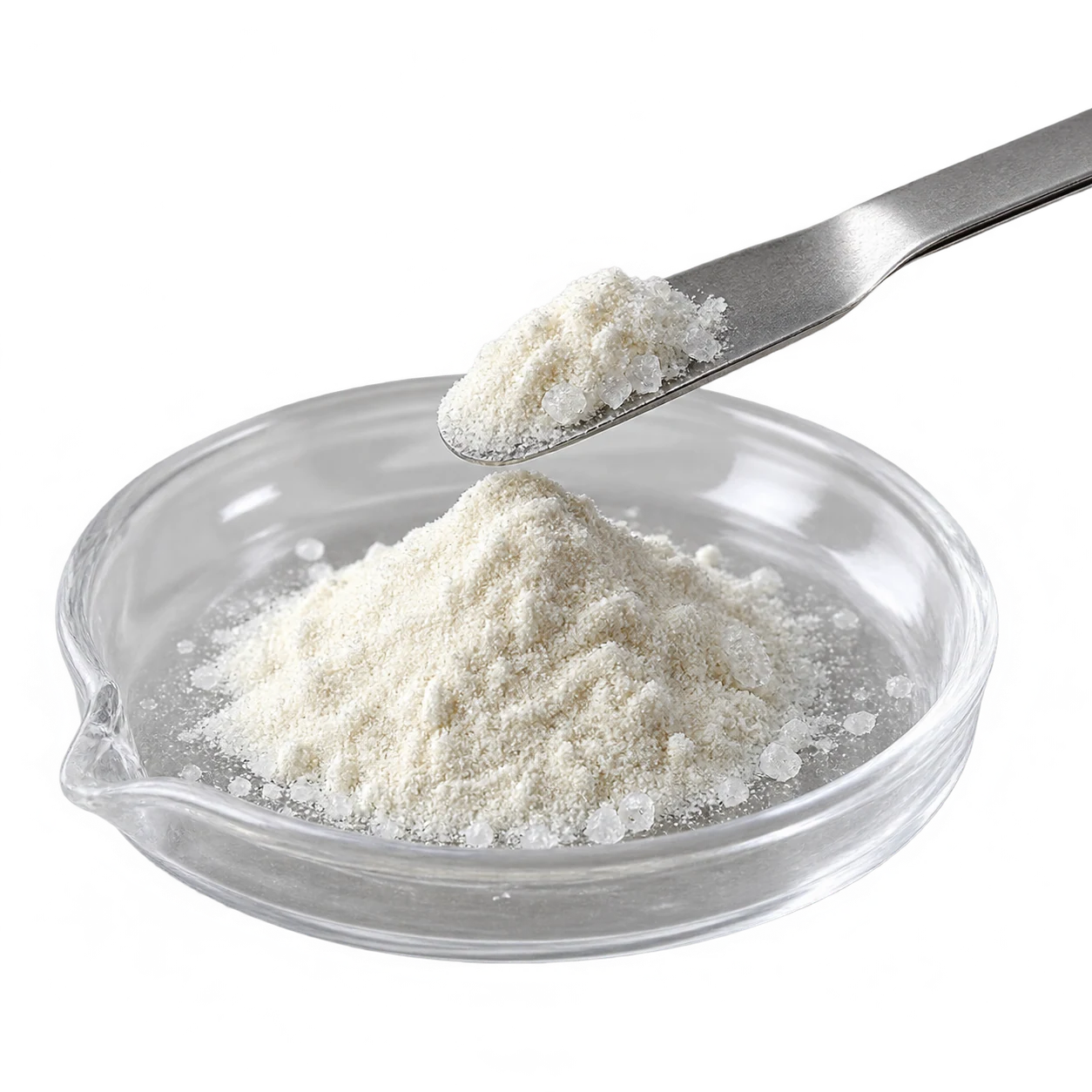
Base Cysteine ??(L-)
Base Cysteine ??(L-) is an amino acid that has a semi-essential amino acid, which means that it can be biosynthesized in humans. Although classified as a non-essential amino acid, in rare cases, cysteine may be essential for infants, the elderly, and individuals with certain metabolic disease or who suffer from malabsorption syndromes. This product is used as a flavoring agent in many food applications.
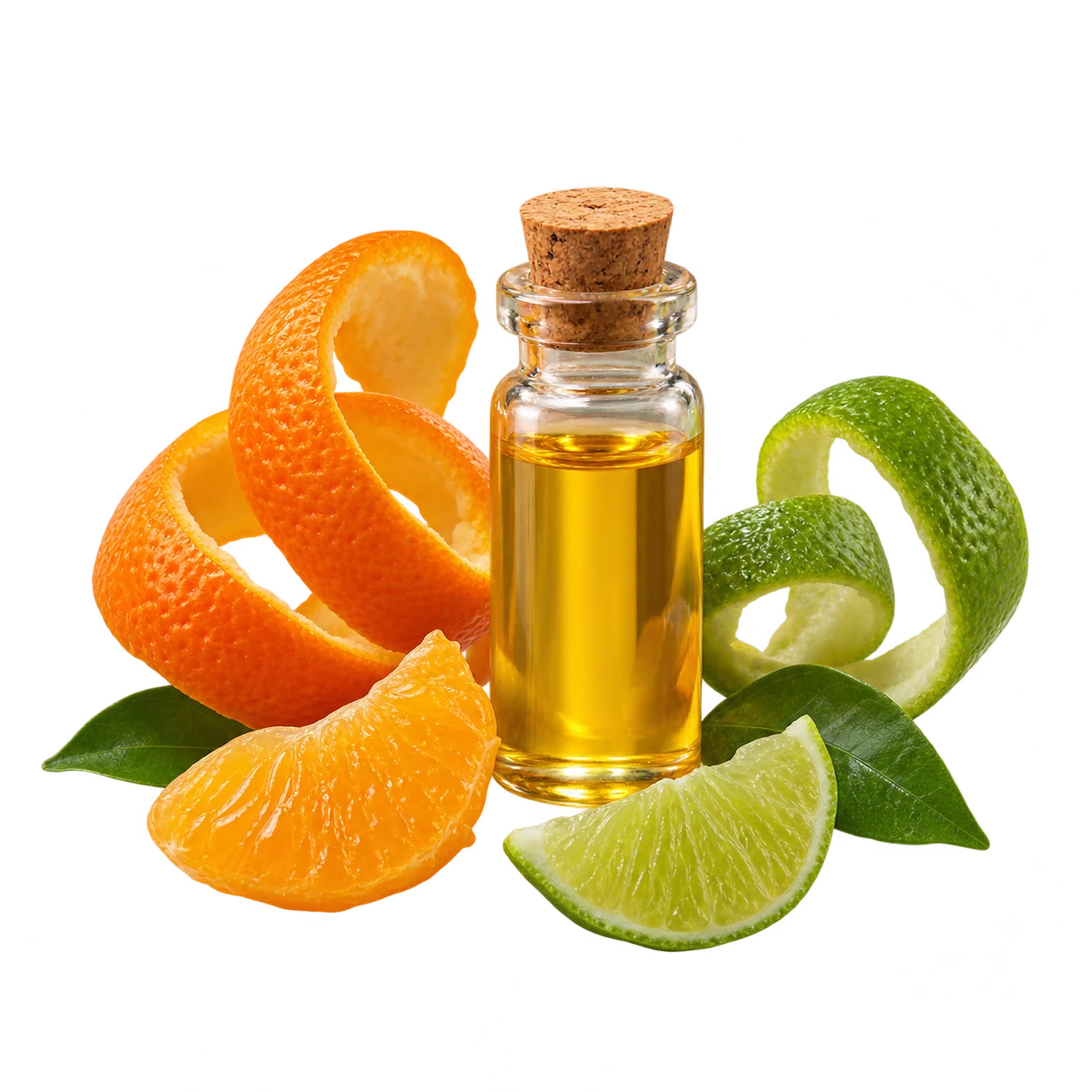
Beta-Carotene
Beta-Carotene is a strongly colored red-orange pigment abundant in plants and fruits. It is an organic compound and chemically is classified as a hydrocarbon and specifically as a terpenoid (isoprenoid), reflecting its derivation from isoprene units. Absorption of Beta carotene is enhanced if eaten with fats, as carotenes are fat soluble. Carotene is the substance in carrots, pumpkins and sweet potatoes that colors them orange and is the most common form of carotene in plants. This product is often used as a food coloring agent.
Butylhydroxyanisole / BHA
Butylhydroxyanisole is an antioxidant consisting of a mixture of two isomeric organic compounds It is prepared from 4-methoxyphenol and isobutylene. It is a waxy solid used as a food additive with the E number E320. The primary use for BHA is as an antioxidant and preservative in food, food packaging, animal feed, cosmetics, rubber, and petroleum products. Since 1947, BHA has been added to edible fats and fat-containing foods for its antioxidant properties as it prevents rancidification of food which creates objectionable odors.
Butylhydroxytoluene / BHT
Butylhydroxytoluene also known as butylhydroxytoluene, is a lipophilic organic compound, chemically a derivative of phenol, that is useful for its antioxidant properties. European and U.S. regulations allow small percentages to be used as a food additive. Butylated hydroxytoluene is primarily used as a food additive that exploits its antioxidant properties. This product is used in many food applications such as food coloring and flavoring agents.
Citric Acid Anhydrous
Citric acid is a weak organic acid commonly used in the food, cosmetic and pharmaceutical industry. Anhydrous citric acid has had the water molecules removed and is usually in a dry, powdered formulation. Citrate or citric acid is often used to adjust pH, to add sour flavor to foods and beverages, and to form the salt derivative of minerals and metals for pharmaceuticals, as in the case of potassium citrate, a dietary supplement.
Citric Acid Monohydrate
Citric acid is a weak organic acid commonly used in the food, cosmetic and pharmaceutical industry. Monohydrate citric acid has one water molecule as part of it's chemical formula, and exists as a white powder. Citrate or citric acid is often used to adjust pH, to add sour flavor to foods and beverages, and to form the salt derivative of minerals and metals for pharmaceuticals, as in the case of potassium citrate, a dietary supplement. It is found naturally in citrus fruit such as lemons and limes and is used as a natural preservative.
Copper Sulfate
Copper sulfate is a mineral salt that is used to fortify foods as well as uses as an antimicrobial agent and anti-caking agent. It is added as a mineral supplement for infant formula and is used as an anti-caking agent for powders. Solutions of copper sulfate can be sprayed on fruits to prevent mold growth. Chemically, it is a component used in the manufacture of a class of colors, called azo dyes. It is hard to comprehend how one less water molecule can turn a pesticide into a food grade dietary supplement used in infant formula.
D-Alpha Tocopheryl Acetate
D-Alpha Tocopheryl Acetate is a class of chemical compounds of which many have vitamin E activity. It is a series of organic compounds consisting of various methylated phenols. Because the vitamin activity was first identified in 1936 from a dietary fertility factor in rats. alpha-Tocopherol is the main source found in supplements and in the European diet, where the main dietary sources are olive and sunflower oils.
Ammonium Bicarbonate
Ammonium Bicarbonate is produced by combining carbon dioxide and ammonia which is a fine, white crystal with the smell of ammonia. This product fufills the purity criteria for food additives, it is most commonly used as a raising agent for flat baked goods, such as cookies and crackers. It was commonly used in homes everywhere before modern day baking powder was made available.
Ammonium Chloride
Ammonium Chloride is a white crystalline salt which is always an inorganic compound. This is a mildly acidic solution when mixed the right way. The mineral is commonly formed on burning coal dumps, due to condensation of coal-derived gases. It is also found around some types of volcanic vents. It is used as a flavouring agent in some types of liquorice.
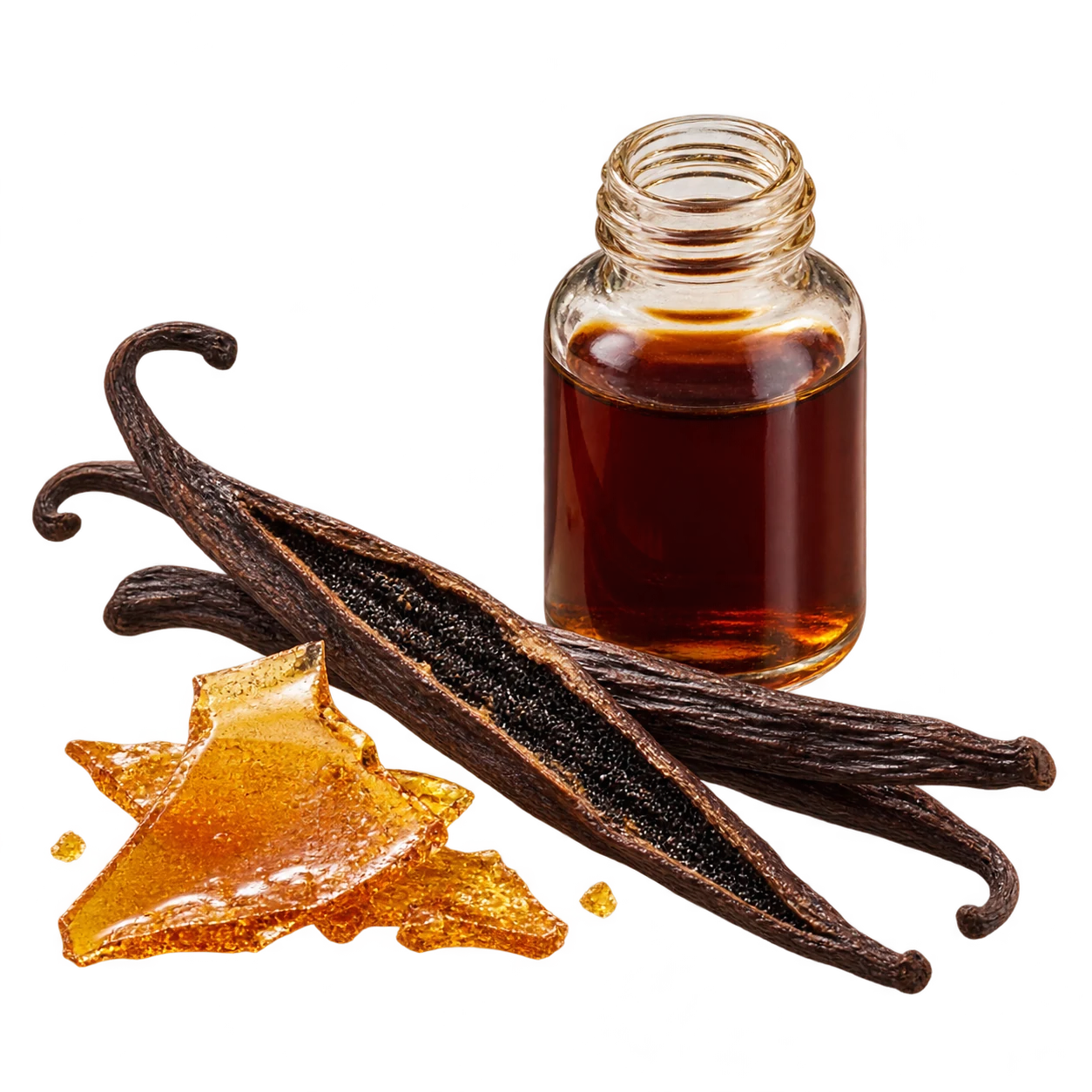
Glycine Food Grade 98.5% min
Glycine Food Grade 98.5% min is an organic compound with a hydrogen substitute as its side-chain. This is the smallest of 20 different amino acids commonly found in proteins. Glycine is a colourless, sweet-tasting crystalline solid. It is unique among the proteinogenic amino acids in that it is not chiral. It can fit into hydrophilic or hydrophobic environments, due to its minimal side chain of only one hydrogen atom. Glycine is manufactured industrially by treating chloroacetic acid with ammonia.
Anastase Titanium Dioxide
Anastase Titanium Dioxide is the naturally occurring oxide of titanium, chemical formula TiO 2. When used as a pigment, it is called titanium white. Generally it is sourced from ilmenite, rutile and anatase. It has a wide range of applications, from paint to sunscreen to food colouring. When used as a food colouring, it has E number E171. Titanium dioxide is the most widely used white pigment because of its brightness and very high refractive index, in which it is surpassed only by a few other materials.
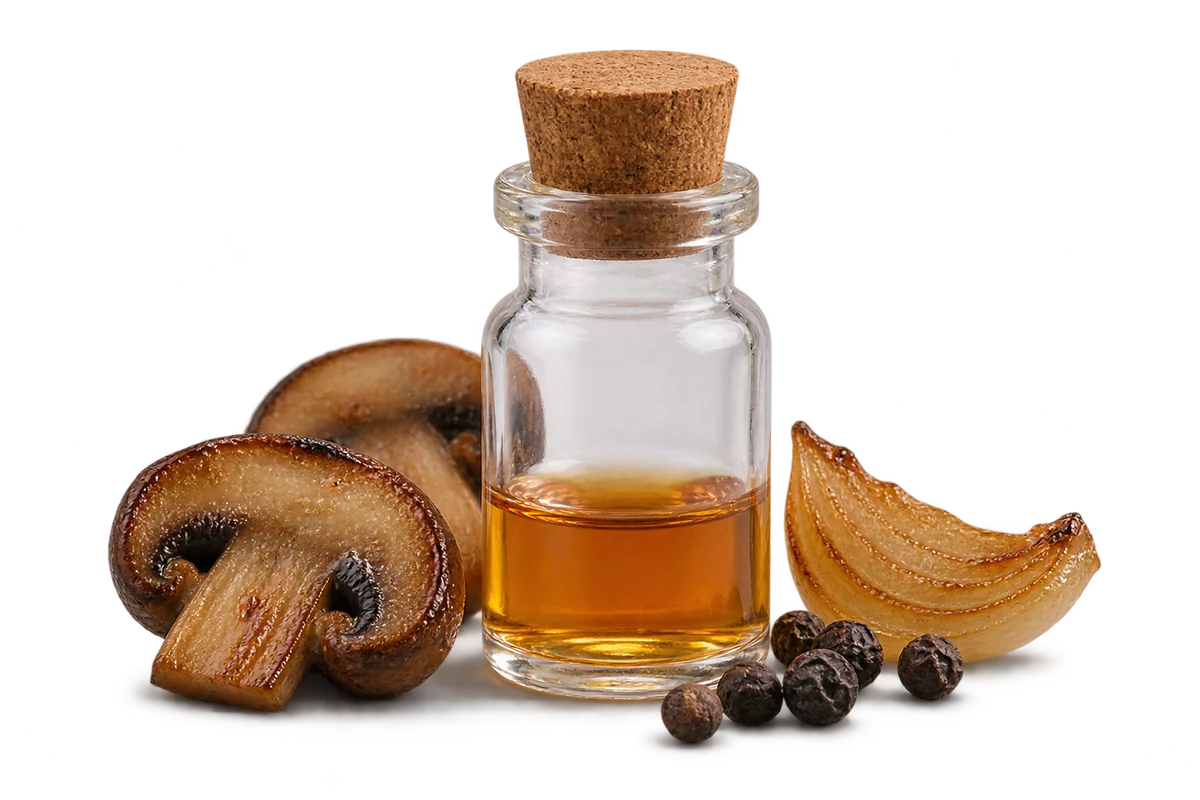
Lactic Acid
Lactic Acid is produced through a bacterial fermentation process, and it is used escepially in the food and medicine industries. Lactic acid is found primarily in sour milk products, such as koumiss, laban, yogurt, kefir, some cottage cheeses, and is coagulated (curdled) by lactic acid lactic acid is also responsible for the sour flavor of sourdough breads. This acid is used in beer brewing to lower the wort pH in order to reduce some undesirable substances such as tannins without giving off-flavors such as citric acid and increase the body of the beer.
Lysine Mono HCl USP (L-)
L-lysine is classified as an essential amino acid for humans and must be supplied in the diet. The male adult’s daily requirement is 12 mg per kg of body weight. It is extremely rare for a diet to contain insufficient quantities of lysine. Vegetarians who follow a macrobiotic diet and athletes who exercise vigorously on a frequent basis must take care to obtain sufficient L-lysine. Beans, peas and lentils are the best source of lysine.
Ascorbic Acid (Vitamin C)
Ascorbic acid is a naturally occurring organic compound with antioxidant properties. It is a white solid, but impure samples can appear yellowish. It dissolves well in water to give mildly acidic solutions. Ascorbic acid is one form ("vitamer") of vitamin C. It was originally called L-hexuronic acid, Because it is derived from glucose, many animals are able to produce it, but humans require it as part of their nutrition. There exists a D-ascorbic acid, which does not occur in nature. It may be synthesized artificially.