Home / Food, Beverage & Nutrition / Suppliers / D.D. Williamson
Food, Beverage & Nutrition
D.D. Williamson
D.D. Williamson lists 73 grades in Food, Beverage & Nutrition. The sheets saved on this site are below.
Grades from D.D. Williamson
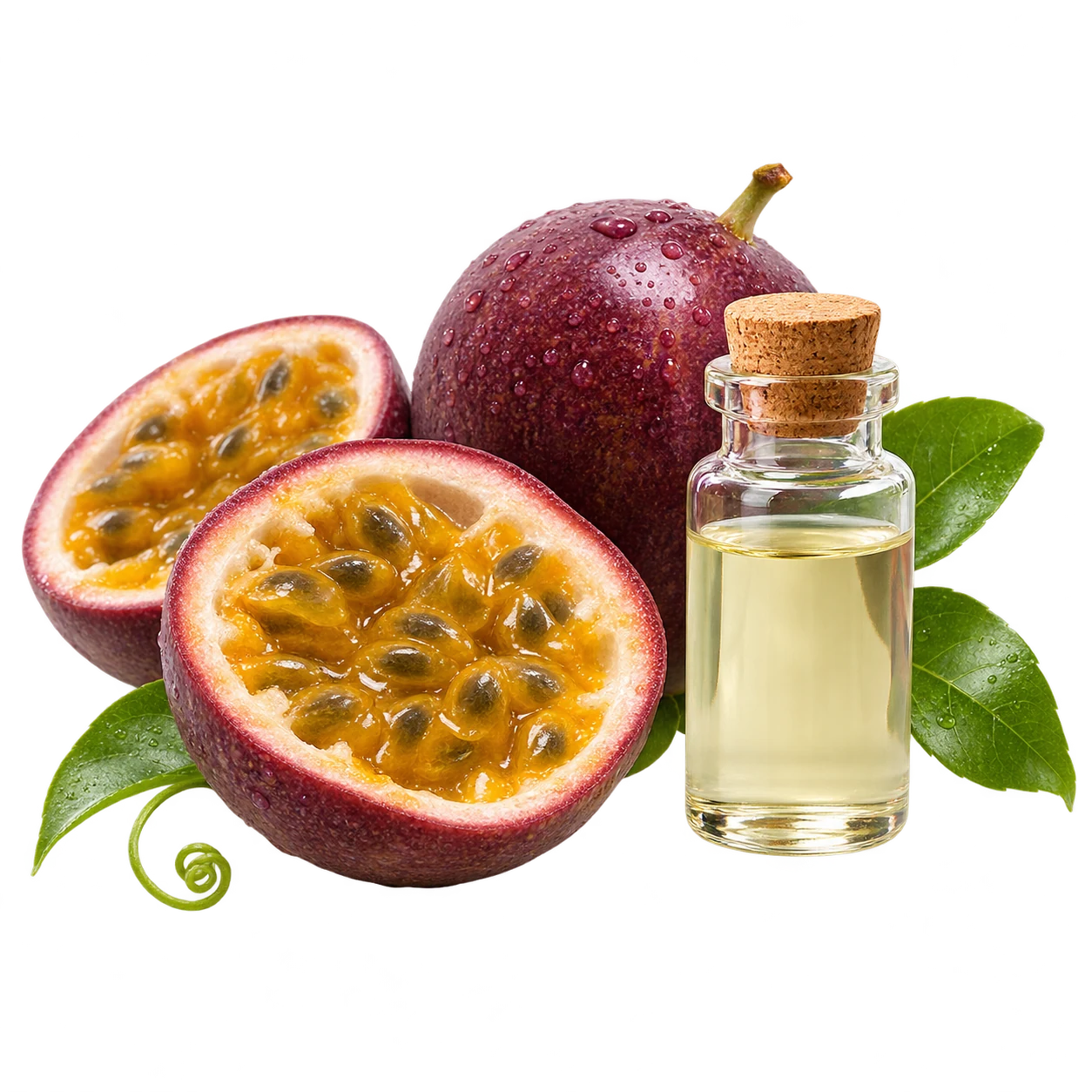
Beta-Carotene (Natural)
Beta-Carotene (Natural) is a carotenoid food coloring that ranges from yellow to orange depending on its concentration. It is used to enhance the visual appeal of juice drinks, tropical beverages, and even desserts. Natural beta-carotene performs equal or better coloring compared to conventional (synthetic) beta-carotene.
Black/Purple Carrot
Black/Purple Carrot is an anthocyanin that works for colouring in many types of food and beverage applications and are grown mostly in southern Europe and Asia. These pigments exhibit a reversible change in molecular structure as the pH of solutions change from acidic to basic. This change in structure is characterized by a shift in hue from red to purple to blue as the pH changes from acidic to basic. Anthocyanins from purple carrots are more stable over a wider pH range than most anthocyanins making them ideal for yogurts and other dairy products.
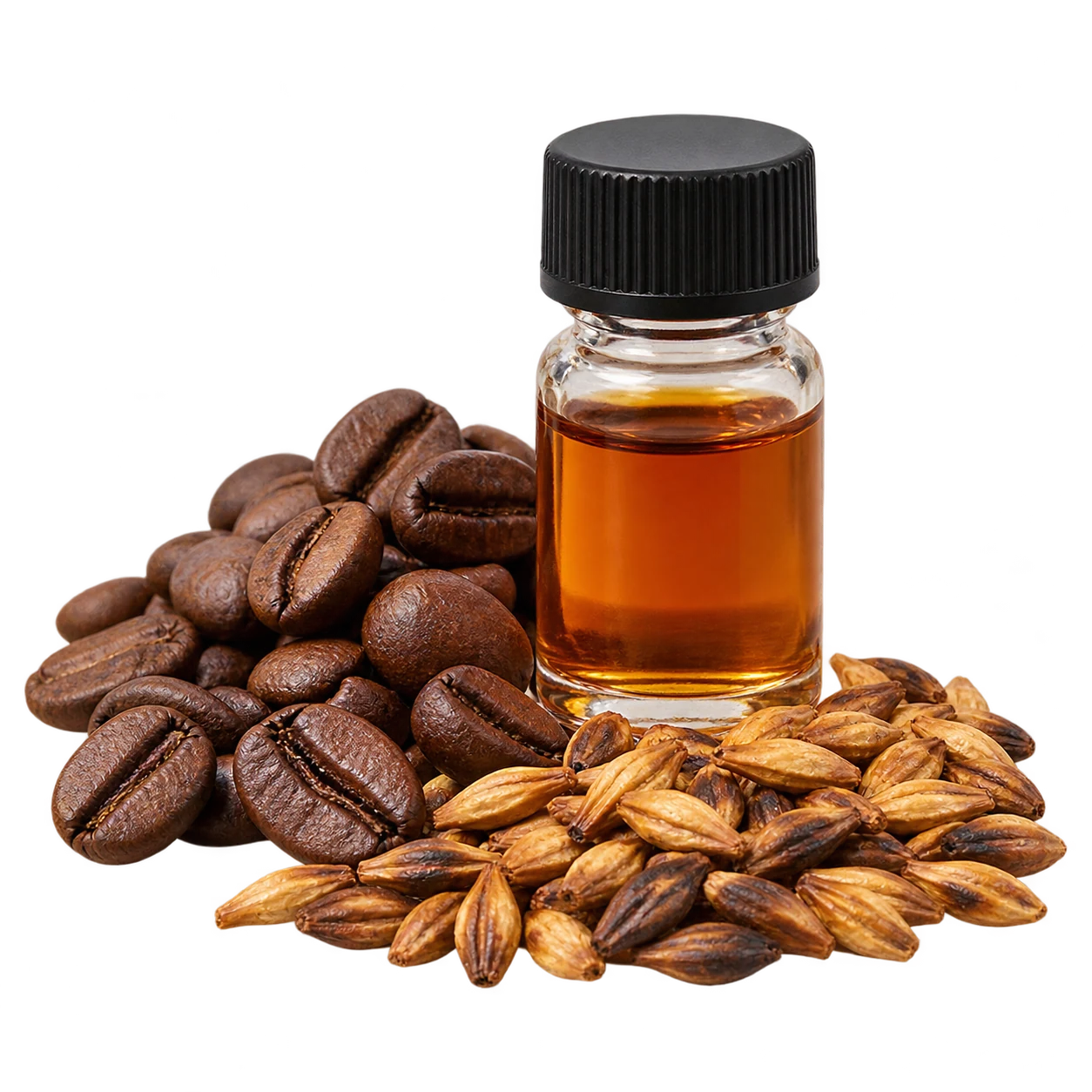
Burnt Sugar
Burnt Sugar is a light to dark brown liquid or powder obtained from the controlled heating of sugars used primarily for flavouring and/or sweetening with incidental colour. Consumers in many regions continue to demand natural foods. In response, food and beverage manufacturers are formulating with simple, clean label options — including “Burnt Sugar” and “Colour: Plain Caramel.” Applications include baked goods, breakfast cereals, dessert toppings, sauces, seasonings, coffee drinks and confectionery products.
Calcium Carbonate (Natural Type)
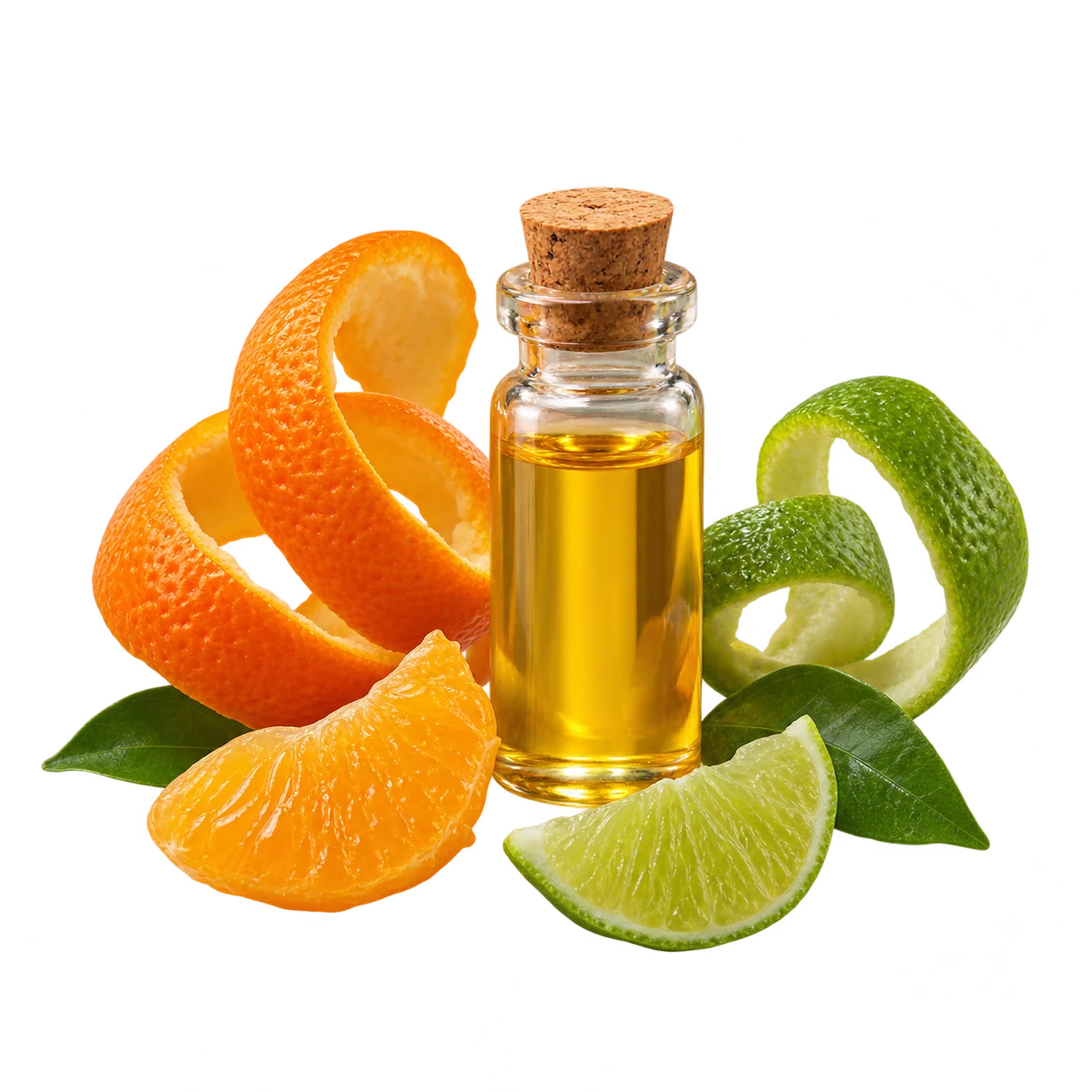
Calcium Carbonate is a white powder found in nature in mineral sources such as calcite, limestone and marble. It adds color to foods and firming properties to vegetables. It is insoluble in water but may be emulsified to disperse in water. It may be produced by the precipitation of calcium ions with carbonate ions. The European Union (EU) has approved calcium carbonate as a food coloring. Some other regions do not allow its use as a color additive.
Caramel Color 050 (Class Four)
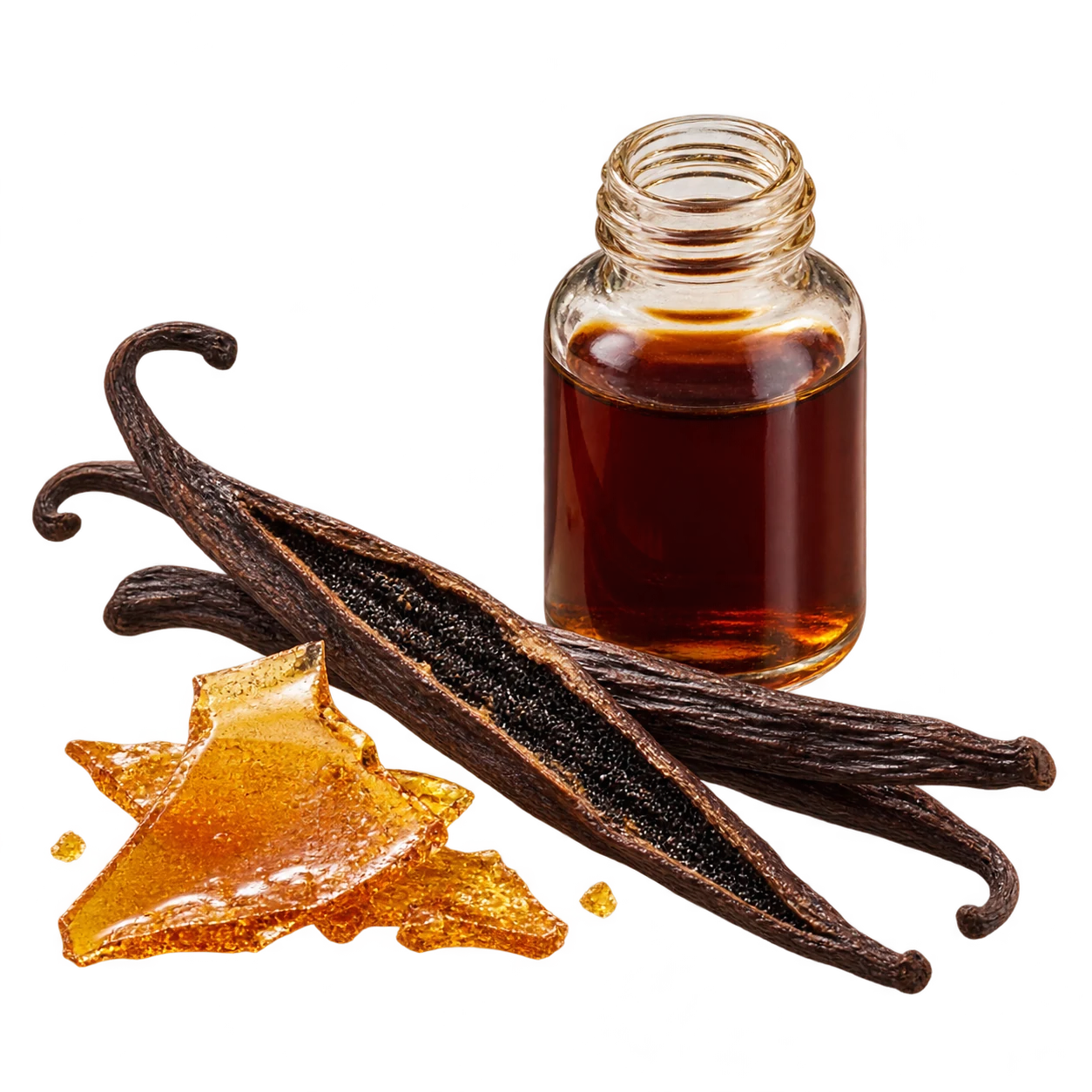
Caramel Color 055 (Class Four) is a water soluble liquid, used to color food and beverage products. Caramel color results from the controlled heat treatment or cooking of carbohydrates (nutritive sweeteners, such as glucose and sucrose, derived from natural carbohydrate sources including corn, wheat and sugar). This process is called “caramelization.” Caramel color ingredients are the world’s most widely consumed food coloring by weight and can be commercially produced for food and beverage products.
Caramel Color 055 (Class Four)
Caramel Color 055 (Class Four) is a dark brown, water soluble liquid, used to color food and beverage products. Caramel color results from the controlled heat treatment or cooking of carbohydrates (nutritive sweeteners, such as glucose and sucrose, derived from natural carbohydrate sources including corn, wheat and sugar). This process is called “caramelization.” Caramel color ingredients are the world’s most widely consumed food coloring by weight and can be commercially produced for food and beverage products.
Caramel Color 065 (Class Four)
Caramel Color 065 (Class Four) is a water soluble liquid, used to color food and beverage products. Caramel color results from the controlled heat treatment or cooking of carbohydrates (nutritive sweeteners, such as glucose and sucrose, derived from natural carbohydrate sources including corn, wheat and sugar). This process is called “caramelization.” Caramel color ingredients are the world’s most widely consumed food coloring by weight and can be commercially produced for food and beverage products.
Caramel Color 105 (Class Four)
Caramel Color 105 (Class Four) is a water soluble liquid, used to color food and beverage products. Caramel color results from the controlled heat treatment or cooking of carbohydrates (nutritive sweeteners, such as glucose and sucrose, derived from natural carbohydrate sources including corn, wheat and sugar). This process is called “caramelization.” Caramel color ingredients are the world’s most widely consumed food coloring by weight and can be commercially produced for food and beverage products.
Caramel Color 108 (Class Four)
Caramel Color 108 (Class Four) is a water soluble liquid, used to color food and beverage products. Caramel color results from the controlled heat treatment or cooking of carbohydrates (nutritive sweeteners, such as glucose and sucrose, derived from natural carbohydrate sources including corn, wheat and sugar). This process is called “caramelization.” Caramel color ingredients are the world’s most widely consumed food coloring by weight and can be commercially produced for food and beverage products.
Caramel Color 111 (Class Four)
Caramel Color 111 (Class Four) is a water soluble liquid, used to color food and beverage products. Caramel color results from the controlled heat treatment or cooking of carbohydrates (nutritive sweeteners, such as glucose and sucrose, derived from natural carbohydrate sources including corn, wheat and sugar). This process is called “caramelization.” Caramel color ingredients are the world’s most widely consumed food coloring by weight and can be commercially produced for food and beverage products.
Caramel Color 112 (Class Four)
Caramel Color 112 (Class Four) is a water soluble liquid, used to color food and beverage products. Caramel color results from the controlled heat treatment or cooking of carbohydrates (nutritive sweeteners, such as glucose and sucrose, derived from natural carbohydrate sources including corn, wheat and sugar). This process is called “caramelization.” Caramel color ingredients are the world’s most widely consumed food coloring by weight and can be commercially produced for food and beverage products.
Caramel Color 135 (Class Four)
Caramel Color 135 (Class Four) is a water soluble liquid, used to color food and beverage products. Caramel color results from the controlled heat treatment or cooking of carbohydrates (nutritive sweeteners, such as glucose and sucrose, derived from natural carbohydrate sources including corn, wheat and sugar). This process is called “caramelization.” Caramel color ingredients are the world’s most widely consumed food coloring by weight and can be commercially produced for food and beverage products.
Caramel Color 170 (Class Four)
Caramel Color 170 (Class Four) is a water soluble liquid, used to color food and beverage products. Caramel color results from the controlled heat treatment or cooking of carbohydrates (nutritive sweeteners, such as glucose and sucrose, derived from natural carbohydrate sources including corn, wheat and sugar). This process is called “caramelization.” Caramel color ingredients are the world’s most widely consumed food coloring by weight and can be commercially produced for food and beverage products.
Caramel Color 173 (Class Four)
Caramel Color 173 (Class Four) is a water soluble liquid, used to color food and beverage products. Caramel color results from the controlled heat treatment or cooking of carbohydrates (nutritive sweeteners, such as glucose and sucrose, derived from natural carbohydrate sources including corn, wheat and sugar). This process is called “caramelization.” Caramel color ingredients are the world’s most widely consumed food coloring by weight and can be commercially produced for food and beverage products.
Caramel Color 190 (Class Two)
Caramel Color 190 (Class Two) is a water soluble liquid, used to color food and beverage products. Caramel color results from the controlled heat treatment or cooking of carbohydrates (nutritive sweeteners, such as glucose and sucrose, derived from natural carbohydrate sources including corn, wheat and sugar). This process is called “caramelization.” Caramel color ingredients are the world’s most widely consumed food coloring by weight and can be commercially produced for food and beverage products.
Caramel Color 200 (Class Three)
Caramel Color 200 (Class Three) is a water soluble liquid, used to color food and beverage products. Caramel color results from the controlled heat treatment or cooking of carbohydrates (nutritive sweeteners, such as glucose and sucrose, derived from natural carbohydrate sources including corn, wheat and sugar). This process is called “caramelization.” Caramel color ingredients are the world’s most widely consumed food coloring by weight and can be commercially produced for food and beverage products.
Caramel Color 201 (Class Three)
Caramel Color 201 (Class Three) is a water soluble liquid, used to color food and beverage products. Caramel color results from the controlled heat treatment or cooking of carbohydrates (nutritive sweeteners, such as glucose and sucrose, derived from natural carbohydrate sources including corn, wheat and sugar). This process is called “caramelization.” Caramel color ingredients are the world’s most widely consumed food coloring by weight and can be commercially produced for food and beverage products.
Caramel Color 202 (Class Three)
Caramel Color 202 (Class Three) is a water soluble liquid, used to color food and beverage products. Caramel color results from the controlled heat treatment or cooking of carbohydrates (nutritive sweeteners, such as glucose and sucrose, derived from natural carbohydrate sources including corn, wheat and sugar). This process is called “caramelization.” Caramel color ingredients are the world’s most widely consumed food coloring by weight and can be commercially produced for food and beverage products.
Caramel Color 203 (Class Three)
Caramel Color 203 (Class Three) is a water soluble liquid, used to color food and beverage products. Caramel color results from the controlled heat treatment or cooking of carbohydrates (nutritive sweeteners, such as glucose and sucrose, derived from natural carbohydrate sources including corn, wheat and sugar). This process is called “caramelization.” Caramel color ingredients are the world’s most widely consumed food coloring by weight and can be commercially produced for food and beverage products.
Caramel Color 210 (Class Three)
Caramel Color 210 (Class Three) is a water soluble liquid, used to color food and beverage products. Caramel color results from the controlled heat treatment or cooking of carbohydrates (nutritive sweeteners, such as glucose and sucrose, derived from natural carbohydrate sources including corn, wheat and sugar). This process is called “caramelization.” Caramel color ingredients are the world’s most widely consumed food coloring by weight and can be commercially produced for food and beverage products.
Caramel Color 250 (Class Three)
Caramel Color 250 (Class Three) is a water soluble liquid, used to color food and beverage products. Caramel color results from the controlled heat treatment or cooking of carbohydrates (nutritive sweeteners, such as glucose and sucrose, derived from natural carbohydrate sources including corn, wheat and sugar). This process is called “caramelization.” Caramel color ingredients are the world’s most widely consumed food coloring by weight and can be commercially produced for food and beverage products.
Caramel Color 252 (Class Three)
Caramel Color 252 (Class Three) is a brown, water soluble liquid, used to color food and beverage products. Caramel color results from the controlled heat treatment or cooking of carbohydrates (nutritive sweeteners, such as glucose and sucrose, derived from natural carbohydrate sources including corn, wheat and sugar). This process is called “caramelization.” Caramel color ingredients are the world’s most widely consumed food coloring by weight and can be commercially produced for food and beverage products.
Caramel Color 300 (Class Three)
Caramel Color 300 (Class Three) is a water soluble liquid, used to color food and beverage products. Caramel color results from the controlled heat treatment or cooking of carbohydrates (nutritive sweeteners, such as glucose and sucrose, derived from natural carbohydrate sources including corn, wheat and sugar). This process is called “caramelization.” Caramel color ingredients are the world’s most widely consumed food coloring by weight and can be commercially produced for food and beverage products.
Caramel Color 301 (Class Three)
Caramel Color 301 (Class Three) is a reddish brown, water soluble liquid, used to color food and beverage products. Caramel color results from the controlled heat treatment or cooking of carbohydrates (nutritive sweeteners, such as glucose and sucrose, derived from natural carbohydrate sources including corn, wheat and sugar). This process is called “caramelization.” Caramel color ingredients are the world’s most widely consumed food coloring by weight and can be commercially produced for food and beverage products.
Caramel Color 303 (Class Three)
Caramel Color 303 (Class Three) is a water soluble liquid, used to color food and beverage products. Caramel color results from the controlled heat treatment or cooking of carbohydrates (nutritive sweeteners, such as glucose and sucrose, derived from natural carbohydrate sources including corn, wheat and sugar). This process is called “caramelization.” Caramel color ingredients are the world’s most widely consumed food coloring by weight and can be commercially produced for food and beverage products.
Caramel Color 373 (Class Three)
Caramel Color 373 (Class Three) is a water soluble liquid, used to color food and beverage products. Caramel color results from the controlled heat treatment or cooking of carbohydrates (nutritive sweeteners, such as glucose and sucrose, derived from natural carbohydrate sources including corn, wheat and sugar). This process is called “caramelization.” Caramel color ingredients are the world’s most widely consumed food coloring by weight and can be commercially produced for food and beverage products.
Caramel Color 376 (Class Three)
Caramel Color 376 (Class Three) is a water soluble liquid, used to color food and beverage products. Caramel color results from the controlled heat treatment or cooking of carbohydrates (nutritive sweeteners, such as glucose and sucrose, derived from natural carbohydrate sources including corn, wheat and sugar). This process is called “caramelization.” Caramel color ingredients are the world’s most widely consumed food coloring by weight and can be commercially produced for food and beverage products.
Caramel Color 377 (Class Three)
Caramel Color 377 (Class Three) is a water soluble liquid, used to color food and beverage products. Caramel color results from the controlled heat treatment or cooking of carbohydrates (nutritive sweeteners, such as glucose and sucrose, derived from natural carbohydrate sources including corn, wheat and sugar). This process is called “caramelization.” Caramel color ingredients are the world’s most widely consumed food coloring by weight and can be commercially produced for food and beverage products.
Caramel Color 385 (Class Three)
Caramel Color 385 (Class Three) is a water soluble liquid, used to color food and beverage products. Caramel color results from the controlled heat treatment or cooking of carbohydrates (nutritive sweeteners, such as glucose and sucrose, derived from natural carbohydrate sources including corn, wheat and sugar). This process is called “caramelization.” Caramel color ingredients are the world’s most widely consumed food coloring by weight and can be commercially produced for food and beverage products.
Caramel Color 520 (Class One)
Caramel Color 520 (Class One) is water soluble liquid, used to color food and beverage products. Caramel color results from the controlled heat treatment or cooking of carbohydrates (nutritive sweeteners, such as glucose and sucrose, derived from natural carbohydrate sources including corn, wheat and sugar). This process is called “caramelization.” Caramel color ingredients are the world’s most widely consumed food coloring by weight and can be commercially produced for food and beverage products.
Caramel Color 525 (Class One)
Caramel Color 525 (Class One) is a water soluble liquid, used to color food and beverage products. Caramel color results from the controlled heat treatment or cooking of carbohydrates (nutritive sweeteners, such as glucose and sucrose, derived from natural carbohydrate sources including corn, wheat and sugar). This process is called “caramelization.” Caramel color ingredients are the world’s most widely consumed food coloring by weight and can be commercially produced for food and beverage products.
Caramel Color 526 (Class One)
Caramel Color 526 (Class One) is a water soluble liquid, used to color food and beverage products. Caramel color results from the controlled heat treatment or cooking of carbohydrates (nutritive sweeteners, such as glucose and sucrose, derived from natural carbohydrate sources including corn, wheat and sugar). This process is called “caramelization.” Caramel color ingredients are the world’s most widely consumed food coloring by weight and can be commercially produced for food and beverage products.
Caramel Color 528 (Class One)
Caramel Color 528 (Class One) is a water soluble liquid, used to color food and beverage products. Caramel color results from the controlled heat treatment or cooking of carbohydrates (nutritive sweeteners, such as glucose and sucrose, derived from natural carbohydrate sources including corn, wheat and sugar). This process is called “caramelization.” Caramel color ingredients are the world’s most widely consumed food coloring by weight and can be commercially produced for food and beverage products.
Caramel Color 570 (Class One)
Caramel Color 570 (Class One) is a light brown, water soluble liquid, used to color food and beverage products. Caramel color results from the controlled heat treatment or cooking of carbohydrates (nutritive sweeteners, such as glucose and sucrose, derived from natural carbohydrate sources including corn, wheat and sugar). This process is called “caramelization.” Caramel color ingredients are the world’s most widely consumed food coloring by weight and can be commercially produced for food and beverage products.
Caramel Color 574 (Class One)
Caramel Color 574 (Class One) is a water soluble liquid, used to color food and beverage products. Caramel color results from the controlled heat treatment or cooking of carbohydrates (nutritive sweeteners, such as glucose and sucrose, derived from natural carbohydrate sources including corn, wheat and sugar). This process is called “caramelization.” Caramel color ingredients are the world’s most widely consumed food coloring by weight and can be commercially produced for food and beverage products.
Caramel Color 600 (Class Four)
Caramel Color 600 (Class Four) is a water soluble liquid, used to color food and beverage products. Caramel color results from the controlled heat treatment or cooking of carbohydrates (nutritive sweeteners, such as glucose and sucrose, derived from natural carbohydrate sources including corn, wheat and sugar). This process is called “caramelization.” Caramel color ingredients are the world’s most widely consumed food coloring by weight and can be commercially produced for food and beverage products.
Caramel Color 602 (Class Four)
Caramel Color 602 (Class Four) is a water soluble liquid, used to color food and beverage products. Caramel color results from the controlled heat treatment or cooking of carbohydrates (nutritive sweeteners, such as glucose and sucrose, derived from natural carbohydrate sources including corn, wheat and sugar). This process is called “caramelization.” Caramel color ingredients are the world’s most widely consumed food coloring by weight and can be commercially produced for food and beverage products.
Caramel Color 603 (Class Four)
Caramel Color 603 (Class Four) is a water soluble liquid, used to color food and beverage products. Caramel color results from the controlled heat treatment or cooking of carbohydrates (nutritive sweeteners, such as glucose and sucrose, derived from natural carbohydrate sources including corn, wheat and sugar). This process is called “caramelization.” Caramel color ingredients are the world’s most widely consumed food coloring by weight and can be commercially produced for food and beverage products.
Caramel Color 605 (Class Four)
Caramel Color 605 (Class Four) is a dark brown, water soluble powder, used to color food and beverage products. Caramel color results from the controlled heat treatment or cooking of carbohydrates (nutritive sweeteners, such as glucose and sucrose, derived from natural carbohydrate sources including corn, wheat and sugar). This process is called “caramelization.” Caramel color ingredients are the world’s most widely consumed food coloring by weight and can be commercially produced for food and beverage products.
Caramel Color 607 (Class Four)
Caramel Color 607 (Class Four) is a water soluble liquid, used to color food and beverage products. Caramel color results from the controlled heat treatment or cooking of carbohydrates (nutritive sweeteners, such as glucose and sucrose, derived from natural carbohydrate sources including corn, wheat and sugar). This process is called “caramelization.” Caramel color ingredients are the world’s most widely consumed food coloring by weight and can be commercially produced for food and beverage products.
Caramel Color 608 (Class Four)
Caramel Color 608 (Class Four) is a water soluble liquid, used to color food and beverage products. Caramel color results from the controlled heat treatment or cooking of carbohydrates (nutritive sweeteners, such as glucose and sucrose, derived from natural carbohydrate sources including corn, wheat and sugar). This process is called “caramelization.” Caramel color ingredients are the world’s most widely consumed food coloring by weight and can be commercially produced for food and beverage products.
Caramel Color 610 (Class Four)
Caramel Color 610 (Class Four) is a water soluble liquid, used to color food and beverage products. Caramel color results from the controlled heat treatment or cooking of carbohydrates (nutritive sweeteners, such as glucose and sucrose, derived from natural carbohydrate sources including corn, wheat and sugar). This process is called “caramelization.” Caramel color ingredients are the world’s most widely consumed food coloring by weight and can be commercially produced for food and beverage products.
Caramel Color 624 (Class One)
Caramel Color 624 (Class One) is a water soluble powder, used to color food and beverage products. Caramel color results from the controlled heat treatment or cooking of carbohydrates (nutritive sweeteners, such as glucose and sucrose, derived from natural carbohydrate sources including corn, wheat and sugar). This process is called “caramelization.” Caramel color ingredients are the world’s most widely consumed food coloring by weight and can be commercially produced for food and beverage products.
Caramel Color 626 (Class One)
Caramel Color 626 (Class One) is a water soluble powder, used to color food and beverage products. Caramel color results from the controlled heat treatment or cooking of carbohydrates (nutritive sweeteners, such as glucose and sucrose, derived from natural carbohydrate sources including corn, wheat and sugar). This process is called “caramelization.” Caramel color ingredients are the world’s most widely consumed food coloring by weight and can be commercially produced for food and beverage products.
Caramel Color 640 (Class Three)
Caramel Color 640 (Class Three) is a water soluble liquid, used to color food and beverage products. Caramel color results from the controlled heat treatment or cooking of carbohydrates (nutritive sweeteners, such as glucose and sucrose, derived from natural carbohydrate sources including corn, wheat and sugar). This process is called “caramelization.” Caramel color ingredients are the world’s most widely consumed food coloring by weight and can be commercially produced for food and beverage products.
Caramel Color 642 (Class Three)
Caramel Color 642 (Class Three) is a water soluble liquid, used to color food and beverage products. Caramel color results from the controlled heat treatment or cooking of carbohydrates (nutritive sweeteners, such as glucose and sucrose, derived from natural carbohydrate sources including corn, wheat and sugar). This process is called “caramelization.” Caramel color ingredients are the world’s most widely consumed food coloring by weight and can be commercially produced for food and beverage products.
Caramel Color 643 (Class Three)
Caramel Color 643 (Class Three) is a water soluble liquid, used to color food and beverage products. Caramel color results from the controlled heat treatment or cooking of carbohydrates (nutritive sweeteners, such as glucose and sucrose, derived from natural carbohydrate sources including corn, wheat and sugar). This process is called “caramelization.” Caramel color ingredients are the world’s most widely consumed food coloring by weight and can be commercially produced for food and beverage products.
Caramel Color 663 (Class Four)
Caramel Color 663 (Class Four) is a water soluble liquid, used to color food and beverage products. Caramel color results from the controlled heat treatment or cooking of carbohydrates (nutritive sweeteners, such as glucose and sucrose, derived from natural carbohydrate sources including corn, wheat and sugar). This process is called “caramelization.” Caramel color ingredients are the world’s most widely consumed food coloring by weight and can be commercially produced for food and beverage products.
Caramelized Mirepoix
Caramelized Mirepoix is manufactured from 100% vegetable juice concentrates, it adds complex, rich and well-rounded savory notes to soups, sauces, marinades, dips, and frozen meals. Its brown hue has red undertones. Customers can label “caramelized vegetable juice concentrates”, “caramelized onion, carrot and celery concentrates” or “natural flavor”.
Carmine
Carmine is a natural anthraquinone red dye and the common term for insoluble cochineal-based pigments. Carmine hues follow the same shifts as carminic acid but will precipitate at low pH before becoming orange. Acid-stable carminic acid results in red to violet hues in low pH applications where carminic acid would otherwise be orange. Acid-proofing results from a hydroxyl group being replaced by an amino group. This colorant is utilized in the food industry.
Carrot Oil
Carrot Oil is an all natural orange food coloring that is primarily composed of beta-carotene.The light absorption of the conjugated carbon chain is responsible for the orange color. Food coloring manufacturers employ solvent extraction of edible carrots to obtain the pigment, they then remove the solvent and substitute it with oil to yield the final products. This carotenoid like others may provide beneficial health functions due to the antioxidant properties acting as a vitamin precursor.
Chlorophyll / Chlorophyllin
Chlorophyll is extracted from plants — typically fescue and alfalfa — and then chemically modified (or stabilized), displacing the magnesium from the core of the molecule and substituting it with copper. The resulting stable, water soluble colouring is called sodium copper chlorophyllin. Copper chlorophyllin is permitted as a food colouring in the European Union; however, in the USA, its food use is limited to dry citrus beverages.
Chokeberry/Aronia
Chokeberry, also referred to as Aronia, is a deciduous shrub belonging to the rose family. It produces black, red, and blue colored berries with very high antioxidant properties. Black chokeberries (Aronia melanocarpa) are regarded for their dark color due to one of the highest anthocyanin contents in plants. The juice, extracted from the fruit, provides red to purple hues in a variety of foods and beverages. Like other anthocyanin sources, the hue shifts from red to purple as pH increases and is most stable in acidic conditions.
Cochineal
Cochineal is a natural coloring that provides a characteristic pink, red or purple hue while demonstrating excellent heat and light stability. Hues vary depending on the preparation method of the cochineal extract. Using water or alcohol, manufacturers extract carmine acid. Carminic acid is orange in low pH and violet in high pH. The color shift results from pH affecting the phenolic groups on the carminic acid molecule.
Curcumin (from Turmeric)
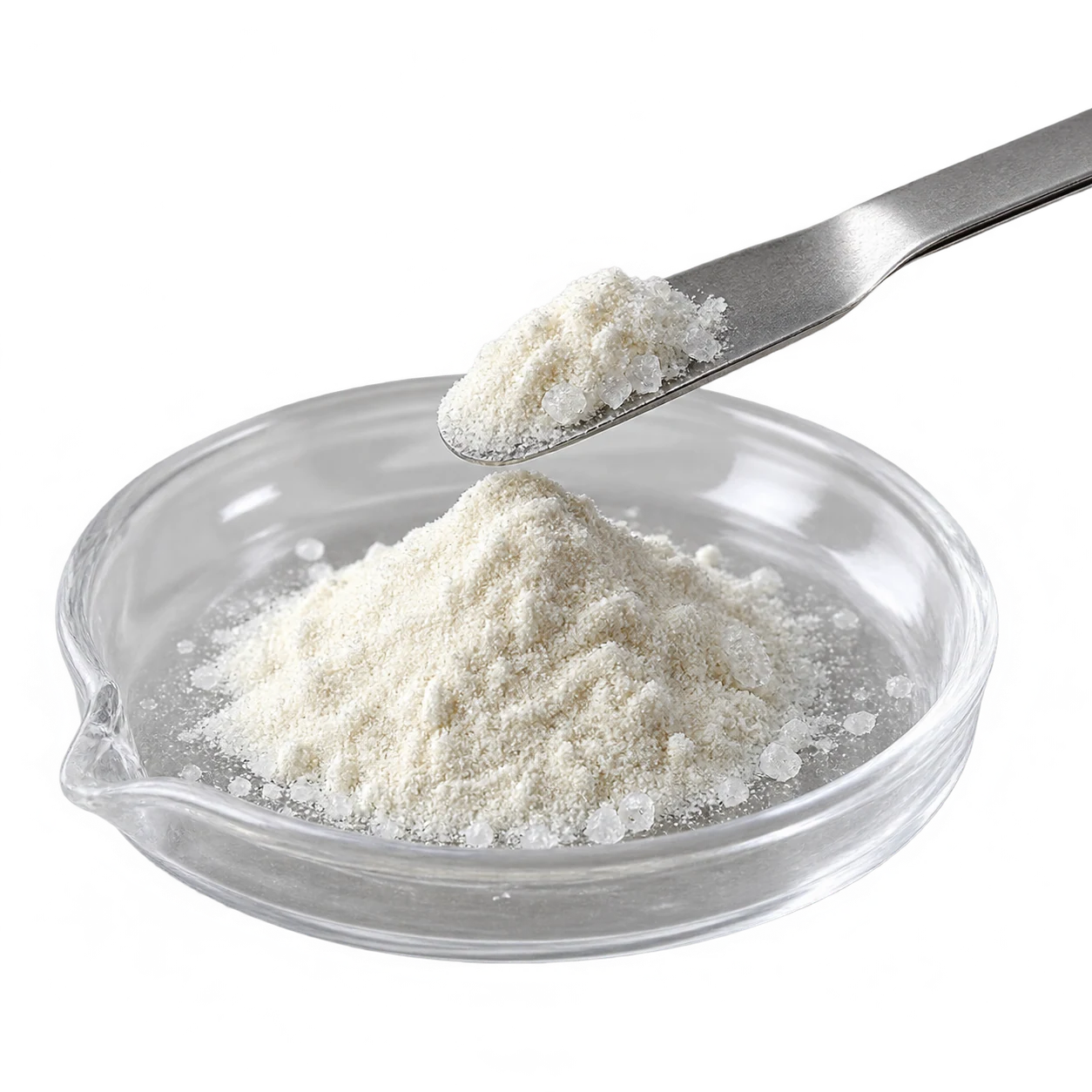
Curcumin (from Turmeric) is a yellow root which imparts color and flavor to food and has been used as a color and/or spice for centuries. Turmeric is produced by grinding the rhizomes of the perennial herb, Curcuma longa. Various extraction methods exist, yielding different yellow variations depending on the ratio of color compounds extracted. Curcumin pigments are naturally insoluble in water; however, food color manufacturers circumvent this water insolubility by using particle size reduction and emulsifiers, which allow turmeric to be used in both aqueous and lipid products.
Dehydrated Beets
Dehydrated Beets are in powdered form and contains all the sugars and plant material from the Red Beets. It is not soluble in water but is readily available and is a fairly inexpensive natural colorant. The colorings responsible for the red hues are a group of molecules called betalains. This group of pigments contains the red and yellow pigments known as betacyanins and betaxanthins, respectively. Betalains have excellent light stability and excellent pH stability. Unlike anthocyanins, betalains do not change in hue in response to differences in the pH of foods and beverages.
Elderberry
Elderberries today are one of the most natural ways of obtaining food coloring's for food and beverages. The juice coloring from elderberries is extracted from the berry and then concentrated using an ultra-filtration process. These berry concentrates are a high performing 100% fruit juice based coloring with minimal taste and aroma impact.
Grape Juice Concentrate
Grape juice Concentrate, an anthocyanin, is an abundant and relatively inexpensive source for colouring food and beverage product applications. The color hue shifts from red at low pH to blue or purple at a higher pH. One key difference between grape juice and other anthocyanins is the presence of more acylated anthocyanins, such as peonidin and malvidan. The anthocyanins from grape juice concentrate are often blended with other anthocyanins in novel beverages to enhance the fruity appearance of the drinks.
Grape Skin Extract
Grape Skin Extract is a product that in most parts of the world is used as a by-product for wine or juice production. These grape skin extracts are a great and abundant source for inexpensive anthocyanins that are used in the coloring of food and beverages. The skin of the grape is obtained through aqueous extraction of the grape after the juice has been expressed. As the pH levels shift the hue of the product shifts from red with low levels and blue with higher pH levels. It is often blended with other anthocyanins in novel beverages to enhance the fruity appearance of drinks.
Hibiscus
Hibiscus extract is a red food coloring that is obtained through the flower named Hibiscus Subdariffa. Manufacturers produce the hibiscus extract through an aqueous extraction of the flower's dried outer portions which is called Calyx. The dried flower often provides all natural flavors for tea and other beverages. Like other anthocyanin sources the hibiscus is mostly stable in acidic conditions and its hue shifts from red to purple as the pH levels increase.
Annatto / Bixin / Norbixin
Annatto / Bixin / Norbixin, a carotenoid, is extracted from the orange coloured outer coat surrounding the seeds of the shrub Bixa orellana. When it is initially extracted, it is known as Bixin. Bixin is the Oil Soluble form of annatto, the primary ingredient surrounding the seeds in the fruit of the plant. It can be turned into Norbixin, which is truly water soluble–reducing the need for emulsifiers or gums. This is a unique attribute of annatto within the carotenoid family.
Apocarotenal
Apocarotenal is a carotenoid available in citrus fruits and some vegetables such as spinach. Like beta-carotene, in the human body it transforms into Vitamin A. While beta-carotene contributes yellow to orange hues, apocarotenal contributes orange to red hues. Nature-identical apocarotenal coloring is relatively heat stable but degrades with light exposure.
Lycopene
Lycopene is an all natural red food coloring agent that belongs to the carotenoid group. There are many different varieties of food that you can find use Lycopene like fruits, vegetables, and microorganisms. The European Union has approved lycopene extracted from tomatoes (E160d(ii), extracted from Blakeslea trispora (160d(iii)), and produced synthetically (160d(i)). The FDA in the United States has approved only lycopene sourced from tomatoes as a color additive in foods.