Home / Food, Beverage & Nutrition / Ingredients
FOOD INGREDIENT DIRECTORY
Food ingredients.
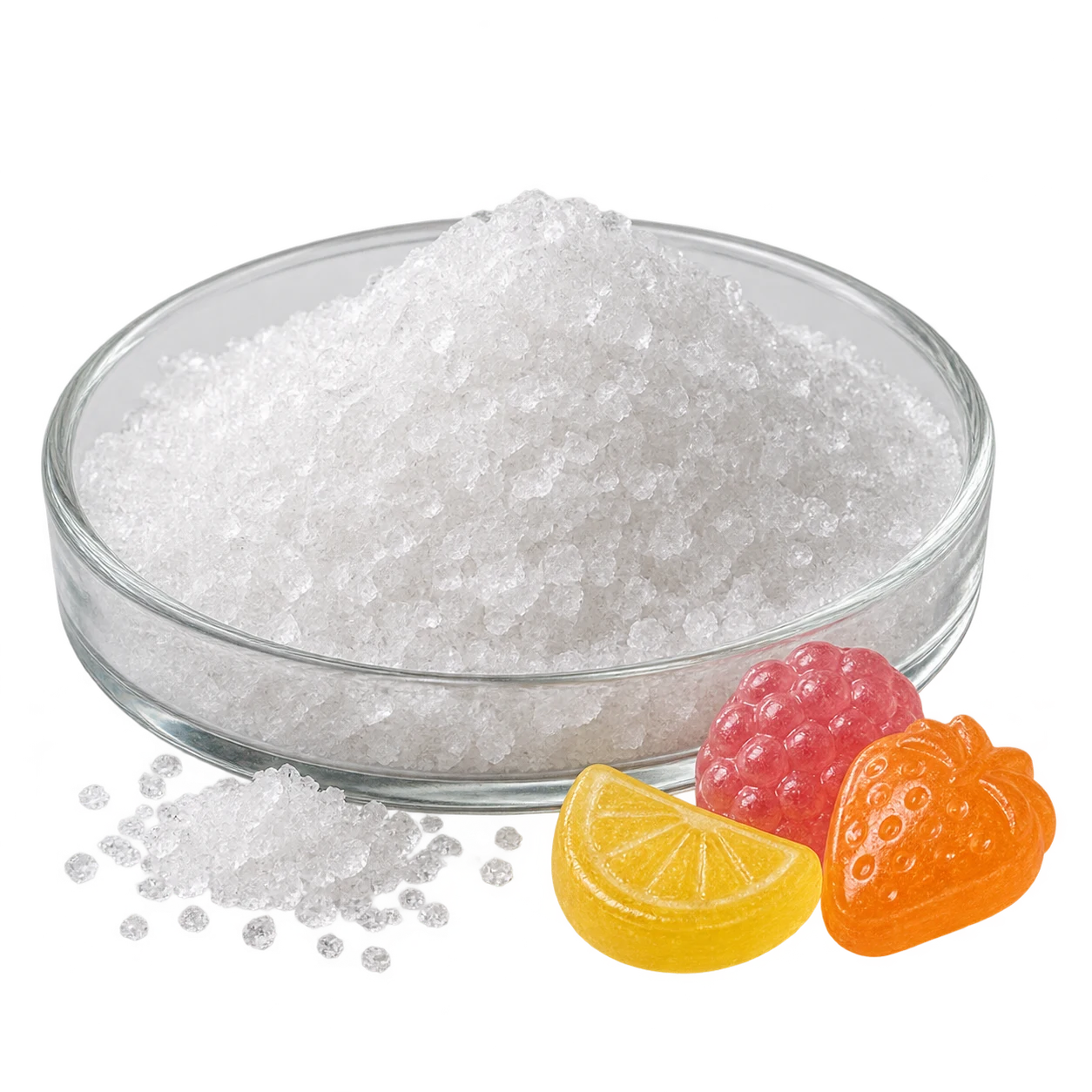
Acesulfame K
Acesulfame K is an artificial sugar substitute. This product appears as a white crystalline powder approximately 200 times the sweetness of table sugar. It is often used in combination with other artificial sweeteners in order to mask the off-tastes in each sweetener. It can be used as a sugar replacement in beverages, dairy applications, bakery applications, and candies.
Acesulfame Potassium
Acesulfame Potassium is a calorie-free sweetener which is approximately 200 times sweeter than sucralose. It is used in numerous foods such as candies, baked goods, canned foods, frozen desserts, beverages, dessert mixes and tabletop sweeteners. It is often used in combination with other low-calorie sweeteners because it enhances the sweet taste of foods and beverages.
Acesulfame Potassium
Acesulfame potassium is a white crystalline powder. It is much sweeter than sucrose, calorie free, and has a refreshing flavor. This product can be used for cereals, jams and jellies, sauces, dips and dressings, canned or processed fruit and vegetables, dairy products, vitamins, other dietary supplements and also in beverages, baked goods, chewing gum and confections, ice cream and yogurts, table-top sweeteners, and for nutritional supplements. It is especially good for diabetics as it is free of calories.
Acesulfame-K
Acesulfame-K is a sweetener because of it's high stability and good taste. This product dissolves easily in water. It can be used in food applications such as sweeteners: soft drinks, chewing gum, coffee (instant), tea (instant), dairy product analogs, gelatins, pudding desserts, tabletop sweetener and baked food. Acesulfame-K can be also used in medicine and cosmetics, for example, syrup, sugarcoating pius, toothpaster, lipstick, mouthwasher and similar products.
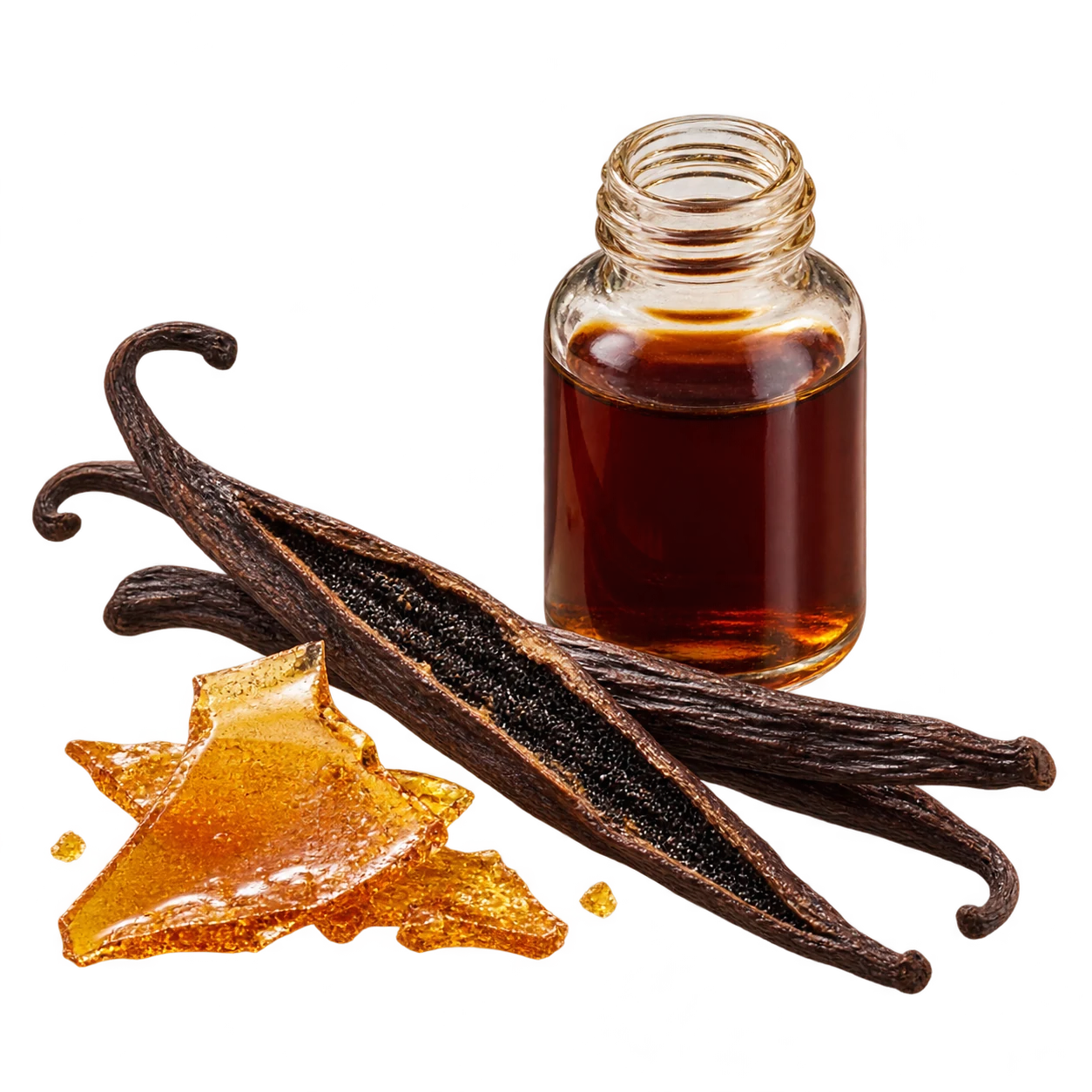
ATUREX® DPG75 Dipotassium Glyccyrrhizinate
ATUREX® DPG75 is the potassium salt of glycyrrhizin acid as a white or off-white fine powder. It is based on raw licorice after water extraction. It has a sweet taste and good water solubility. This product has applications in sweeteners and preservatives in the food and beverage industry.
Aturex® R19 Glycyrrhizin
Aturex® R19 Glycyrrhizin is the active ingredient of licorice sweetness and is a very natural sweetener (sweetness of sucrose is about 80-300 times). It’s low heat; safe, non-toxic and can make up for the shortcomings of diseases induced by using refined sugar and other sweeteners. It has applications in soy sauce, pickles, seasonings, preservatives, and miso.
Aturex® R21 Glycyrrhizin
Aturex® R21 is the active ingredient of licorice sweetness and is a very natural sweetener (sweetness of sucrose is about 80-300 times). It’s low heat; safe, non-toxic and can make up for the shortcomings of diseases induced by using refined sugar and other sweeteners. This product has applications in soy sauce, pickles, seasonings, preservatives and miso.
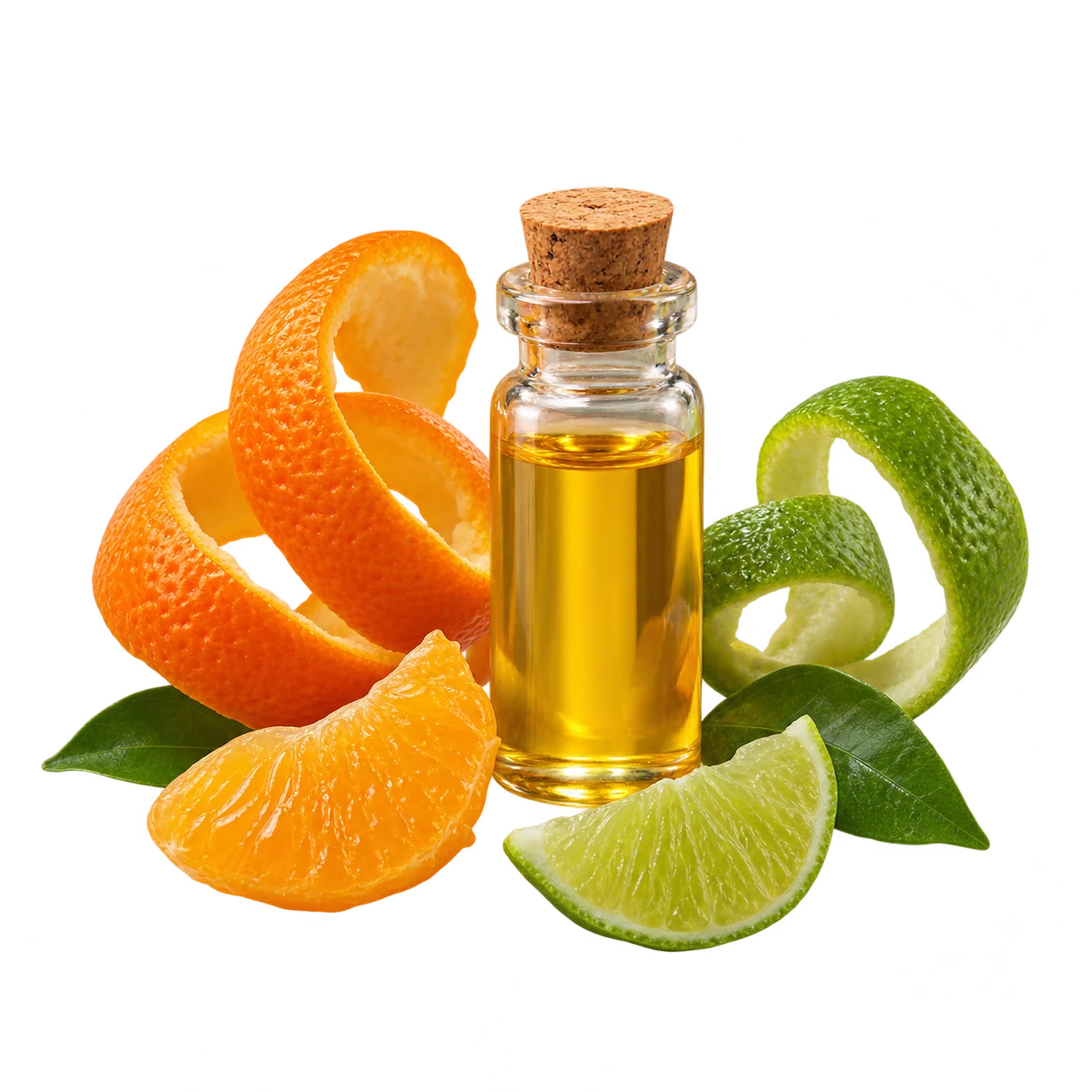
Bil-Max™ Bilberry Concentrate
Bil-Max™ is a concentrated, patented bilberry fruit product. Bil-max™ concentrate is made using no solvents, no added sweeteners, and no flavorings or added colors. Bil-max™ concentrate helps supports vascualr and eye health.
Cacao Powder
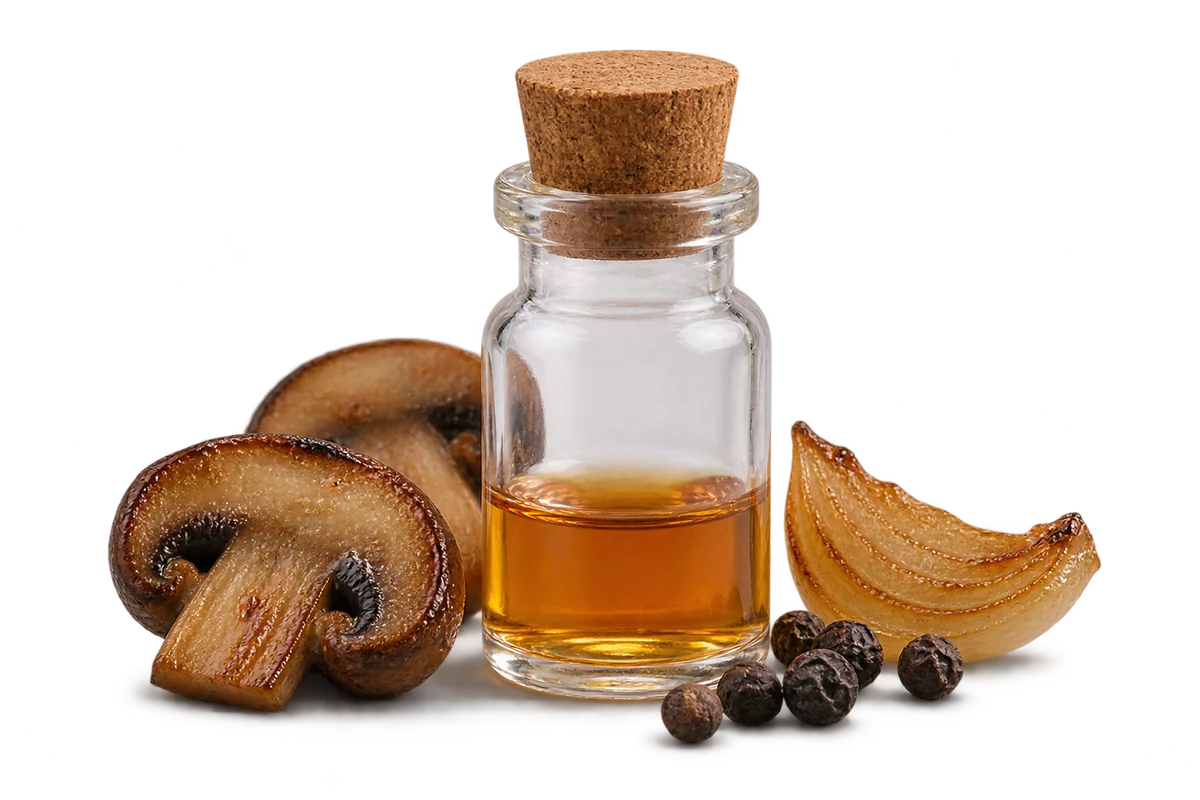
Cacao Powder is a dark brown powder that features characteristic flavors and odors. This product can be blended into smoothies, shakes and can be used in different recipes and desserts, such as cakes, brownies, cookies or puddings. It can also be combined with cacao butter and sweeteners to make a chocolate dipping sauce.
Caffeine (Coffeine)
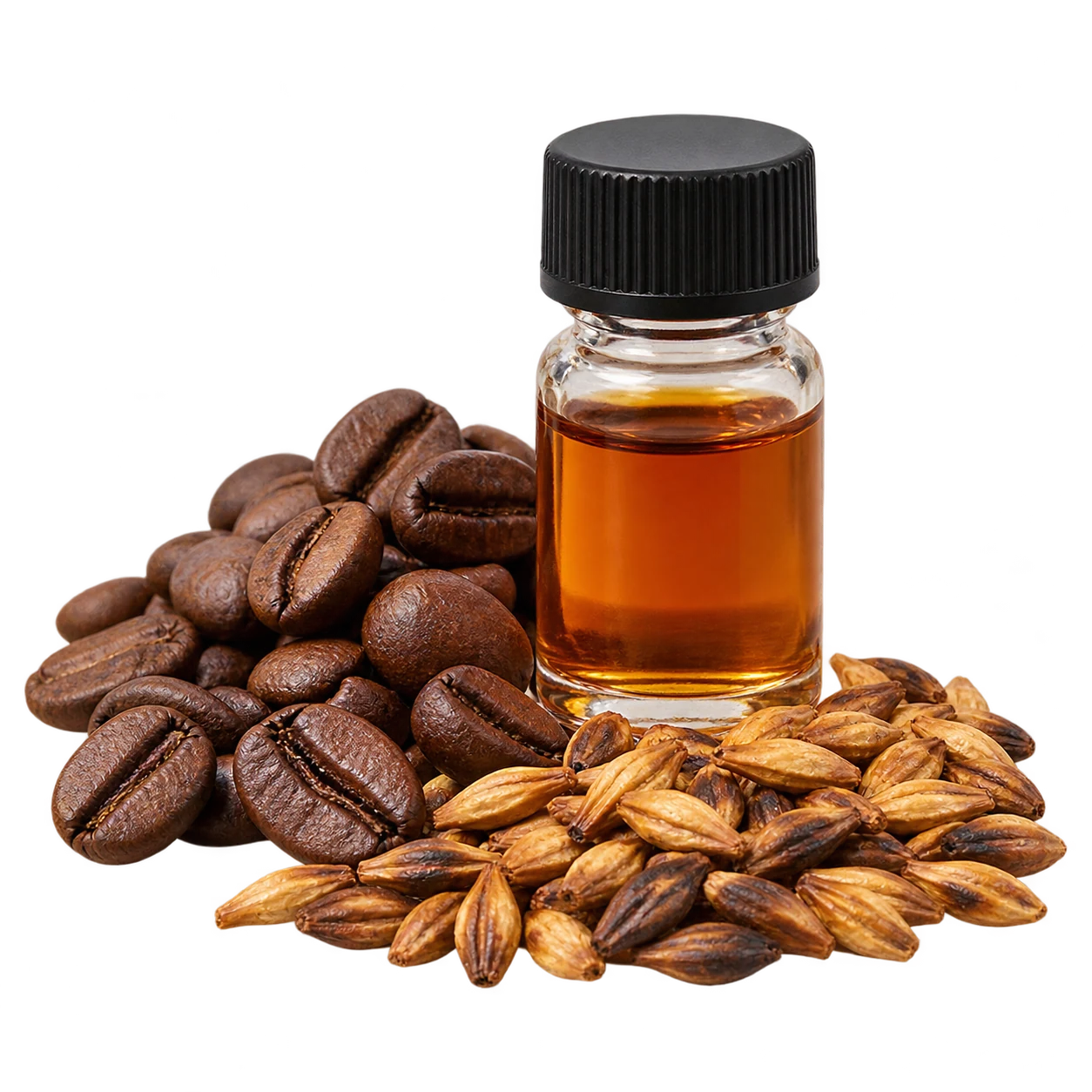
Caffeine is a plant-based alkaloid which stimulates the central nervous system of any creature that ingests it. In nature, it serves as a form of pest control for certain plants such as cacao trees, coffee shrubs, yerba mate and tea trees. The caffeine causes insects and other pests to collapse from the effects of over-stimulation. Caffeine, also known as guaranine, mateine or theine depending on the source plant, is considered a psychoactive drug. However, it has not been designated a controlled substance, so its use in teas, coffees and sodas is not illegal. Coffee beans contain a significant amount, while tea leaves and yerba mate plants contain less. Cocoa beans also contain caffeine, but they contain much higher levels of another alkaloid called theobromine. When caffeine is removed from the source plant and reduced to its most natural state, it forms a white powder. This powdered form is actually the scientific definition of bitter, which is why many beverages containing caffeine also contain copious amounts of sugar or other sweeteners. That contained in stimulant pills such as No-Doz is not diluted with sugar, so the pills can be very bitter indeed.
Caramel Color 050 (Class Four)
Caramel Color 055 (Class Four) is a water soluble liquid, used to color food and beverage products. Caramel color results from the controlled heat treatment or cooking of carbohydrates (nutritive sweeteners, such as glucose and sucrose, derived from natural carbohydrate sources including corn, wheat and sugar). This process is called “caramelization.” Caramel color ingredients are the world’s most widely consumed food coloring by weight and can be commercially produced for food and beverage products.
Caramel Color 055 (Class Four)
Caramel Color 055 (Class Four) is a dark brown, water soluble liquid, used to color food and beverage products. Caramel color results from the controlled heat treatment or cooking of carbohydrates (nutritive sweeteners, such as glucose and sucrose, derived from natural carbohydrate sources including corn, wheat and sugar). This process is called “caramelization.” Caramel color ingredients are the world’s most widely consumed food coloring by weight and can be commercially produced for food and beverage products.
Caramel Color 065 (Class Four)
Caramel Color 065 (Class Four) is a water soluble liquid, used to color food and beverage products. Caramel color results from the controlled heat treatment or cooking of carbohydrates (nutritive sweeteners, such as glucose and sucrose, derived from natural carbohydrate sources including corn, wheat and sugar). This process is called “caramelization.” Caramel color ingredients are the world’s most widely consumed food coloring by weight and can be commercially produced for food and beverage products.
Caramel Color 105 (Class Four)
Caramel Color 105 (Class Four) is a water soluble liquid, used to color food and beverage products. Caramel color results from the controlled heat treatment or cooking of carbohydrates (nutritive sweeteners, such as glucose and sucrose, derived from natural carbohydrate sources including corn, wheat and sugar). This process is called “caramelization.” Caramel color ingredients are the world’s most widely consumed food coloring by weight and can be commercially produced for food and beverage products.
Caramel Color 108 (Class Four)
Caramel Color 108 (Class Four) is a water soluble liquid, used to color food and beverage products. Caramel color results from the controlled heat treatment or cooking of carbohydrates (nutritive sweeteners, such as glucose and sucrose, derived from natural carbohydrate sources including corn, wheat and sugar). This process is called “caramelization.” Caramel color ingredients are the world’s most widely consumed food coloring by weight and can be commercially produced for food and beverage products.
Caramel Color 111 (Class Four)
Caramel Color 111 (Class Four) is a water soluble liquid, used to color food and beverage products. Caramel color results from the controlled heat treatment or cooking of carbohydrates (nutritive sweeteners, such as glucose and sucrose, derived from natural carbohydrate sources including corn, wheat and sugar). This process is called “caramelization.” Caramel color ingredients are the world’s most widely consumed food coloring by weight and can be commercially produced for food and beverage products.
Caramel Color 112 (Class Four)
Caramel Color 112 (Class Four) is a water soluble liquid, used to color food and beverage products. Caramel color results from the controlled heat treatment or cooking of carbohydrates (nutritive sweeteners, such as glucose and sucrose, derived from natural carbohydrate sources including corn, wheat and sugar). This process is called “caramelization.” Caramel color ingredients are the world’s most widely consumed food coloring by weight and can be commercially produced for food and beverage products.
Caramel Color 135 (Class Four)
Caramel Color 135 (Class Four) is a water soluble liquid, used to color food and beverage products. Caramel color results from the controlled heat treatment or cooking of carbohydrates (nutritive sweeteners, such as glucose and sucrose, derived from natural carbohydrate sources including corn, wheat and sugar). This process is called “caramelization.” Caramel color ingredients are the world’s most widely consumed food coloring by weight and can be commercially produced for food and beverage products.
Caramel Color 170 (Class Four)
Caramel Color 170 (Class Four) is a water soluble liquid, used to color food and beverage products. Caramel color results from the controlled heat treatment or cooking of carbohydrates (nutritive sweeteners, such as glucose and sucrose, derived from natural carbohydrate sources including corn, wheat and sugar). This process is called “caramelization.” Caramel color ingredients are the world’s most widely consumed food coloring by weight and can be commercially produced for food and beverage products.
Caramel Color 173 (Class Four)
Caramel Color 173 (Class Four) is a water soluble liquid, used to color food and beverage products. Caramel color results from the controlled heat treatment or cooking of carbohydrates (nutritive sweeteners, such as glucose and sucrose, derived from natural carbohydrate sources including corn, wheat and sugar). This process is called “caramelization.” Caramel color ingredients are the world’s most widely consumed food coloring by weight and can be commercially produced for food and beverage products.
Caramel Color 190 (Class Two)
Caramel Color 190 (Class Two) is a water soluble liquid, used to color food and beverage products. Caramel color results from the controlled heat treatment or cooking of carbohydrates (nutritive sweeteners, such as glucose and sucrose, derived from natural carbohydrate sources including corn, wheat and sugar). This process is called “caramelization.” Caramel color ingredients are the world’s most widely consumed food coloring by weight and can be commercially produced for food and beverage products.
Caramel Color 200 (Class Three)
Caramel Color 200 (Class Three) is a water soluble liquid, used to color food and beverage products. Caramel color results from the controlled heat treatment or cooking of carbohydrates (nutritive sweeteners, such as glucose and sucrose, derived from natural carbohydrate sources including corn, wheat and sugar). This process is called “caramelization.” Caramel color ingredients are the world’s most widely consumed food coloring by weight and can be commercially produced for food and beverage products.
Caramel Color 201 (Class Three)
Caramel Color 201 (Class Three) is a water soluble liquid, used to color food and beverage products. Caramel color results from the controlled heat treatment or cooking of carbohydrates (nutritive sweeteners, such as glucose and sucrose, derived from natural carbohydrate sources including corn, wheat and sugar). This process is called “caramelization.” Caramel color ingredients are the world’s most widely consumed food coloring by weight and can be commercially produced for food and beverage products.
Caramel Color 202 (Class Three)
Caramel Color 202 (Class Three) is a water soluble liquid, used to color food and beverage products. Caramel color results from the controlled heat treatment or cooking of carbohydrates (nutritive sweeteners, such as glucose and sucrose, derived from natural carbohydrate sources including corn, wheat and sugar). This process is called “caramelization.” Caramel color ingredients are the world’s most widely consumed food coloring by weight and can be commercially produced for food and beverage products.
Caramel Color 203 (Class Three)
Caramel Color 203 (Class Three) is a water soluble liquid, used to color food and beverage products. Caramel color results from the controlled heat treatment or cooking of carbohydrates (nutritive sweeteners, such as glucose and sucrose, derived from natural carbohydrate sources including corn, wheat and sugar). This process is called “caramelization.” Caramel color ingredients are the world’s most widely consumed food coloring by weight and can be commercially produced for food and beverage products.
Caramel Color 210 (Class Three)
Caramel Color 210 (Class Three) is a water soluble liquid, used to color food and beverage products. Caramel color results from the controlled heat treatment or cooking of carbohydrates (nutritive sweeteners, such as glucose and sucrose, derived from natural carbohydrate sources including corn, wheat and sugar). This process is called “caramelization.” Caramel color ingredients are the world’s most widely consumed food coloring by weight and can be commercially produced for food and beverage products.
Caramel Color 250 (Class Three)
Caramel Color 250 (Class Three) is a water soluble liquid, used to color food and beverage products. Caramel color results from the controlled heat treatment or cooking of carbohydrates (nutritive sweeteners, such as glucose and sucrose, derived from natural carbohydrate sources including corn, wheat and sugar). This process is called “caramelization.” Caramel color ingredients are the world’s most widely consumed food coloring by weight and can be commercially produced for food and beverage products.
Caramel Color 252 (Class Three)
Caramel Color 252 (Class Three) is a brown, water soluble liquid, used to color food and beverage products. Caramel color results from the controlled heat treatment or cooking of carbohydrates (nutritive sweeteners, such as glucose and sucrose, derived from natural carbohydrate sources including corn, wheat and sugar). This process is called “caramelization.” Caramel color ingredients are the world’s most widely consumed food coloring by weight and can be commercially produced for food and beverage products.
Caramel Color 300 (Class Three)
Caramel Color 300 (Class Three) is a water soluble liquid, used to color food and beverage products. Caramel color results from the controlled heat treatment or cooking of carbohydrates (nutritive sweeteners, such as glucose and sucrose, derived from natural carbohydrate sources including corn, wheat and sugar). This process is called “caramelization.” Caramel color ingredients are the world’s most widely consumed food coloring by weight and can be commercially produced for food and beverage products.
Caramel Color 301 (Class Three)
Caramel Color 301 (Class Three) is a reddish brown, water soluble liquid, used to color food and beverage products. Caramel color results from the controlled heat treatment or cooking of carbohydrates (nutritive sweeteners, such as glucose and sucrose, derived from natural carbohydrate sources including corn, wheat and sugar). This process is called “caramelization.” Caramel color ingredients are the world’s most widely consumed food coloring by weight and can be commercially produced for food and beverage products.
Caramel Color 303 (Class Three)
Caramel Color 303 (Class Three) is a water soluble liquid, used to color food and beverage products. Caramel color results from the controlled heat treatment or cooking of carbohydrates (nutritive sweeteners, such as glucose and sucrose, derived from natural carbohydrate sources including corn, wheat and sugar). This process is called “caramelization.” Caramel color ingredients are the world’s most widely consumed food coloring by weight and can be commercially produced for food and beverage products.
Caramel Color 373 (Class Three)
Caramel Color 373 (Class Three) is a water soluble liquid, used to color food and beverage products. Caramel color results from the controlled heat treatment or cooking of carbohydrates (nutritive sweeteners, such as glucose and sucrose, derived from natural carbohydrate sources including corn, wheat and sugar). This process is called “caramelization.” Caramel color ingredients are the world’s most widely consumed food coloring by weight and can be commercially produced for food and beverage products.
Caramel Color 376 (Class Three)
Caramel Color 376 (Class Three) is a water soluble liquid, used to color food and beverage products. Caramel color results from the controlled heat treatment or cooking of carbohydrates (nutritive sweeteners, such as glucose and sucrose, derived from natural carbohydrate sources including corn, wheat and sugar). This process is called “caramelization.” Caramel color ingredients are the world’s most widely consumed food coloring by weight and can be commercially produced for food and beverage products.
Caramel Color 377 (Class Three)
Caramel Color 377 (Class Three) is a water soluble liquid, used to color food and beverage products. Caramel color results from the controlled heat treatment or cooking of carbohydrates (nutritive sweeteners, such as glucose and sucrose, derived from natural carbohydrate sources including corn, wheat and sugar). This process is called “caramelization.” Caramel color ingredients are the world’s most widely consumed food coloring by weight and can be commercially produced for food and beverage products.
Caramel Color 385 (Class Three)
Caramel Color 385 (Class Three) is a water soluble liquid, used to color food and beverage products. Caramel color results from the controlled heat treatment or cooking of carbohydrates (nutritive sweeteners, such as glucose and sucrose, derived from natural carbohydrate sources including corn, wheat and sugar). This process is called “caramelization.” Caramel color ingredients are the world’s most widely consumed food coloring by weight and can be commercially produced for food and beverage products.
Caramel Color 520 (Class One)
Caramel Color 520 (Class One) is water soluble liquid, used to color food and beverage products. Caramel color results from the controlled heat treatment or cooking of carbohydrates (nutritive sweeteners, such as glucose and sucrose, derived from natural carbohydrate sources including corn, wheat and sugar). This process is called “caramelization.” Caramel color ingredients are the world’s most widely consumed food coloring by weight and can be commercially produced for food and beverage products.
Caramel Color 525 (Class One)
Caramel Color 525 (Class One) is a water soluble liquid, used to color food and beverage products. Caramel color results from the controlled heat treatment or cooking of carbohydrates (nutritive sweeteners, such as glucose and sucrose, derived from natural carbohydrate sources including corn, wheat and sugar). This process is called “caramelization.” Caramel color ingredients are the world’s most widely consumed food coloring by weight and can be commercially produced for food and beverage products.
Caramel Color 526 (Class One)
Caramel Color 526 (Class One) is a water soluble liquid, used to color food and beverage products. Caramel color results from the controlled heat treatment or cooking of carbohydrates (nutritive sweeteners, such as glucose and sucrose, derived from natural carbohydrate sources including corn, wheat and sugar). This process is called “caramelization.” Caramel color ingredients are the world’s most widely consumed food coloring by weight and can be commercially produced for food and beverage products.
Caramel Color 528 (Class One)
Caramel Color 528 (Class One) is a water soluble liquid, used to color food and beverage products. Caramel color results from the controlled heat treatment or cooking of carbohydrates (nutritive sweeteners, such as glucose and sucrose, derived from natural carbohydrate sources including corn, wheat and sugar). This process is called “caramelization.” Caramel color ingredients are the world’s most widely consumed food coloring by weight and can be commercially produced for food and beverage products.
Caramel Color 570 (Class One)
Caramel Color 570 (Class One) is a light brown, water soluble liquid, used to color food and beverage products. Caramel color results from the controlled heat treatment or cooking of carbohydrates (nutritive sweeteners, such as glucose and sucrose, derived from natural carbohydrate sources including corn, wheat and sugar). This process is called “caramelization.” Caramel color ingredients are the world’s most widely consumed food coloring by weight and can be commercially produced for food and beverage products.
Caramel Color 574 (Class One)
Caramel Color 574 (Class One) is a water soluble liquid, used to color food and beverage products. Caramel color results from the controlled heat treatment or cooking of carbohydrates (nutritive sweeteners, such as glucose and sucrose, derived from natural carbohydrate sources including corn, wheat and sugar). This process is called “caramelization.” Caramel color ingredients are the world’s most widely consumed food coloring by weight and can be commercially produced for food and beverage products.
Caramel Color 600 (Class Four)
Caramel Color 600 (Class Four) is a water soluble liquid, used to color food and beverage products. Caramel color results from the controlled heat treatment or cooking of carbohydrates (nutritive sweeteners, such as glucose and sucrose, derived from natural carbohydrate sources including corn, wheat and sugar). This process is called “caramelization.” Caramel color ingredients are the world’s most widely consumed food coloring by weight and can be commercially produced for food and beverage products.
Caramel Color 602 (Class Four)
Caramel Color 602 (Class Four) is a water soluble liquid, used to color food and beverage products. Caramel color results from the controlled heat treatment or cooking of carbohydrates (nutritive sweeteners, such as glucose and sucrose, derived from natural carbohydrate sources including corn, wheat and sugar). This process is called “caramelization.” Caramel color ingredients are the world’s most widely consumed food coloring by weight and can be commercially produced for food and beverage products.
Caramel Color 603 (Class Four)
Caramel Color 603 (Class Four) is a water soluble liquid, used to color food and beverage products. Caramel color results from the controlled heat treatment or cooking of carbohydrates (nutritive sweeteners, such as glucose and sucrose, derived from natural carbohydrate sources including corn, wheat and sugar). This process is called “caramelization.” Caramel color ingredients are the world’s most widely consumed food coloring by weight and can be commercially produced for food and beverage products.
Caramel Color 605 (Class Four)
Caramel Color 605 (Class Four) is a dark brown, water soluble powder, used to color food and beverage products. Caramel color results from the controlled heat treatment or cooking of carbohydrates (nutritive sweeteners, such as glucose and sucrose, derived from natural carbohydrate sources including corn, wheat and sugar). This process is called “caramelization.” Caramel color ingredients are the world’s most widely consumed food coloring by weight and can be commercially produced for food and beverage products.
Caramel Color 607 (Class Four)
Caramel Color 607 (Class Four) is a water soluble liquid, used to color food and beverage products. Caramel color results from the controlled heat treatment or cooking of carbohydrates (nutritive sweeteners, such as glucose and sucrose, derived from natural carbohydrate sources including corn, wheat and sugar). This process is called “caramelization.” Caramel color ingredients are the world’s most widely consumed food coloring by weight and can be commercially produced for food and beverage products.
Caramel Color 608 (Class Four)
Caramel Color 608 (Class Four) is a water soluble liquid, used to color food and beverage products. Caramel color results from the controlled heat treatment or cooking of carbohydrates (nutritive sweeteners, such as glucose and sucrose, derived from natural carbohydrate sources including corn, wheat and sugar). This process is called “caramelization.” Caramel color ingredients are the world’s most widely consumed food coloring by weight and can be commercially produced for food and beverage products.
Caramel Color 610 (Class Four)
Caramel Color 610 (Class Four) is a water soluble liquid, used to color food and beverage products. Caramel color results from the controlled heat treatment or cooking of carbohydrates (nutritive sweeteners, such as glucose and sucrose, derived from natural carbohydrate sources including corn, wheat and sugar). This process is called “caramelization.” Caramel color ingredients are the world’s most widely consumed food coloring by weight and can be commercially produced for food and beverage products.
Caramel Color 624 (Class One)
Caramel Color 624 (Class One) is a water soluble powder, used to color food and beverage products. Caramel color results from the controlled heat treatment or cooking of carbohydrates (nutritive sweeteners, such as glucose and sucrose, derived from natural carbohydrate sources including corn, wheat and sugar). This process is called “caramelization.” Caramel color ingredients are the world’s most widely consumed food coloring by weight and can be commercially produced for food and beverage products.
Caramel Color 626 (Class One)
Caramel Color 626 (Class One) is a water soluble powder, used to color food and beverage products. Caramel color results from the controlled heat treatment or cooking of carbohydrates (nutritive sweeteners, such as glucose and sucrose, derived from natural carbohydrate sources including corn, wheat and sugar). This process is called “caramelization.” Caramel color ingredients are the world’s most widely consumed food coloring by weight and can be commercially produced for food and beverage products.
Caramel Color 640 (Class Three)
Caramel Color 640 (Class Three) is a water soluble liquid, used to color food and beverage products. Caramel color results from the controlled heat treatment or cooking of carbohydrates (nutritive sweeteners, such as glucose and sucrose, derived from natural carbohydrate sources including corn, wheat and sugar). This process is called “caramelization.” Caramel color ingredients are the world’s most widely consumed food coloring by weight and can be commercially produced for food and beverage products.
Caramel Color 642 (Class Three)
Caramel Color 642 (Class Three) is a water soluble liquid, used to color food and beverage products. Caramel color results from the controlled heat treatment or cooking of carbohydrates (nutritive sweeteners, such as glucose and sucrose, derived from natural carbohydrate sources including corn, wheat and sugar). This process is called “caramelization.” Caramel color ingredients are the world’s most widely consumed food coloring by weight and can be commercially produced for food and beverage products.
Caramel Color 643 (Class Three)
Caramel Color 643 (Class Three) is a water soluble liquid, used to color food and beverage products. Caramel color results from the controlled heat treatment or cooking of carbohydrates (nutritive sweeteners, such as glucose and sucrose, derived from natural carbohydrate sources including corn, wheat and sugar). This process is called “caramelization.” Caramel color ingredients are the world’s most widely consumed food coloring by weight and can be commercially produced for food and beverage products.
Caramel Color 663 (Class Four)
Caramel Color 663 (Class Four) is a water soluble liquid, used to color food and beverage products. Caramel color results from the controlled heat treatment or cooking of carbohydrates (nutritive sweeteners, such as glucose and sucrose, derived from natural carbohydrate sources including corn, wheat and sugar). This process is called “caramelization.” Caramel color ingredients are the world’s most widely consumed food coloring by weight and can be commercially produced for food and beverage products.
Certiseal® SA Seasoning and Flavoring Adhesives
Certiseal® SA Seasoning and Flavoring Adhesives is a fat-free, low moisture liquid adhesive system to bind flavors, seasonings, herbs, spices, colorings and sweeteners to snacks and other foods.
Corn Starch
Corn Starch is a principal product of processing corn, one of nature's major renewable resources. It is also a key material for the manufacturing of corn-based biochemical products ranging from corn sweeteners to amino acids. Also corn starch itself is one of the important raw materials for the food, paper, and textile industries.
Cran-Max™ Cranberry Concentrate
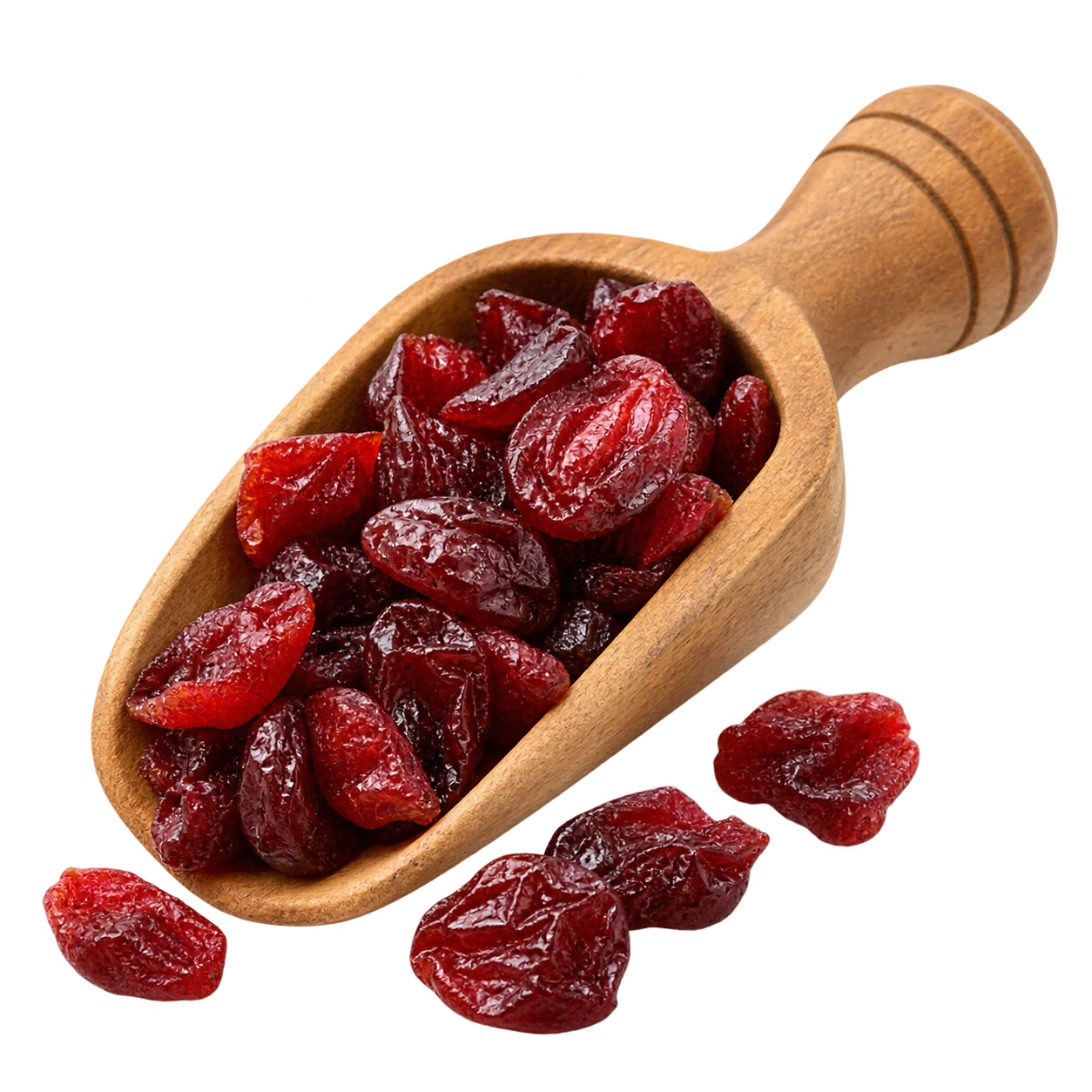
Cran-Max™ is a concentrated whole fruit cranberry extract that helps support urinary tract health. It is made from 100% of the cranberry. Cran-Max™ contains no carriers, no solvents, no added sweeteners, and no falvorings or added colors.
Darco® 12x20 LI
Darco® 12x20 LI is a granular activated carbon that is produced from steam activation of lignite coal. This product can be used for decolorization due to its high absorptive capacity for colors, flavors, and odors. It can be used in artificial sweeteners.
Darco® 80x325
Darco® 80x325 is a powder activated carbon with an acid wash. This product is produced by steam activation of lignite coal and has excellent filter-ability due to its particle size distribution. It can be used for de-colorization in artificial sweeteners, filtration in starch based sweeteners and cane sugar.
Darco® S-51
Darco® S-51 is an acid washed powder activated carbon that has a high absorptive capacity. This product is produced by steam activation of lignite coal. It can be used for its purification properties in artificial sweeteners and liquid sugars, for flavor improving in starch based sweeteners and cane sugar. Darco® S-51 can also be used in scrap candy recovery.
Darco® S-51FF
Darco® S-51FF is an acid washed powdered activated carbon that has excellent filter-ability. This product is produced from the steam activation of lignite coal. It can be used for purification applications in liquid sugar and filtration applications in artificial sweeteners, cane sugar, and starch based sweeteners.
Darco® S-51HF
Darco® S-51HF is an acid washed powder activated carbon that has excellent filtration and decolorization properties. This product can be used for filtration in cane sugar, artificial sweetener, and in starch based sweeteners.
Dextrose Monohydrate
Dextrose Monohydrate is originated from corn starch which undergoes the process of saccharification, crystallization, and dehydration. This product has a sweet taste and serves as sweeteners in food and beverages to increase the sweetness, texture and color of food products. Dextrose Monohydrate is commonly used in dairy products, ice-cream, soft drinks, cakes, candies, canned fruits, coffee or cocoa.
DL-Alanine
DL-Alanine is a white crystalline powdered nutritional supplement. This product can improve the taste of artificial sweeteners, it can act as a buffer in the composition of wine or soft beverages. DL-Alanine can be used in oils, yolk yam, purified foods, sauce-pickled foods and vegetables.
Eastman™ Acetic Anhydride, Kosher
Eastman™ Acetic Anhydride ((CH3CO)2O) is a kosher liquid manufactured by Eastman under rabbinical supervision and is in full accordance with Jewish dietary law. This product may only be used in food as an intermediate including bakery additives, caffeine, starch modifiers and sweeteners.
EPCimple™ Fruit Malic Acid
EPCimple™ Fruit Malic Acid is a pale powder with a fresh acidic smell and taste that replaces Malic Acid and is an effective cleaner label solution that can substitute for acidifiers or flavors. This cold water soluble concentrate is derived from fresh fruits and has a rich, smooth and persistent sourness. Serving as an acidity regulator and flavoring, it can be blended with multiple food acids, sugars, high intensity sweeteners, flavors, and seasonings to create unique taste experiences in various applications.
Erythritol
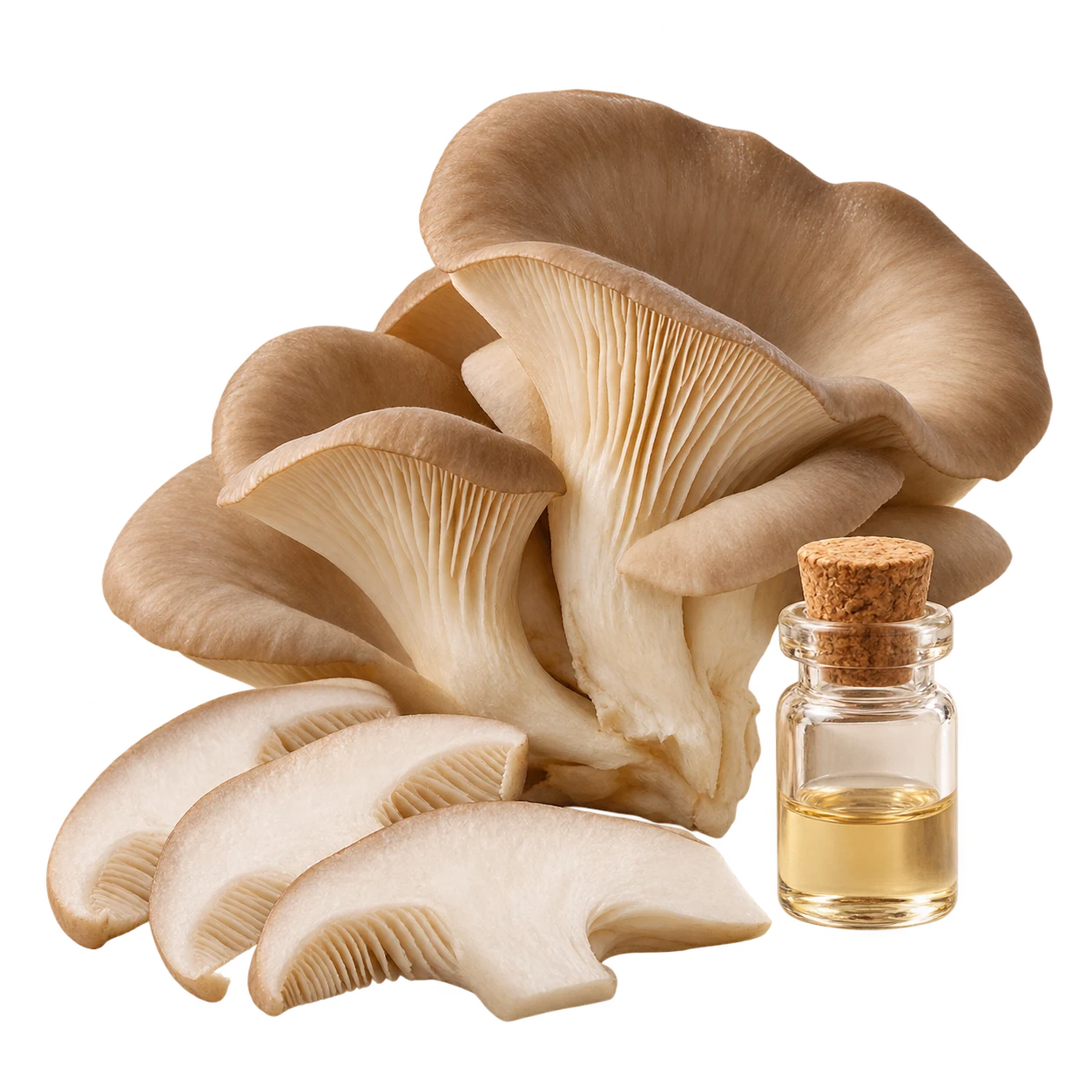
Erythritol is a natural sugar substitute that is derived from cultured sugar using a natural process (fermentation). Erythritol is naturally a zero calorie food. Unlike artificial sweeteners, which are man-made synthetic chemical compounds formulated in a lab, Erythritol appears naturally in fruits such as pears, melons and grapes, as well as foods such as mushrooms and fermentation-derived foods such as wine, soy sauce and cheese.
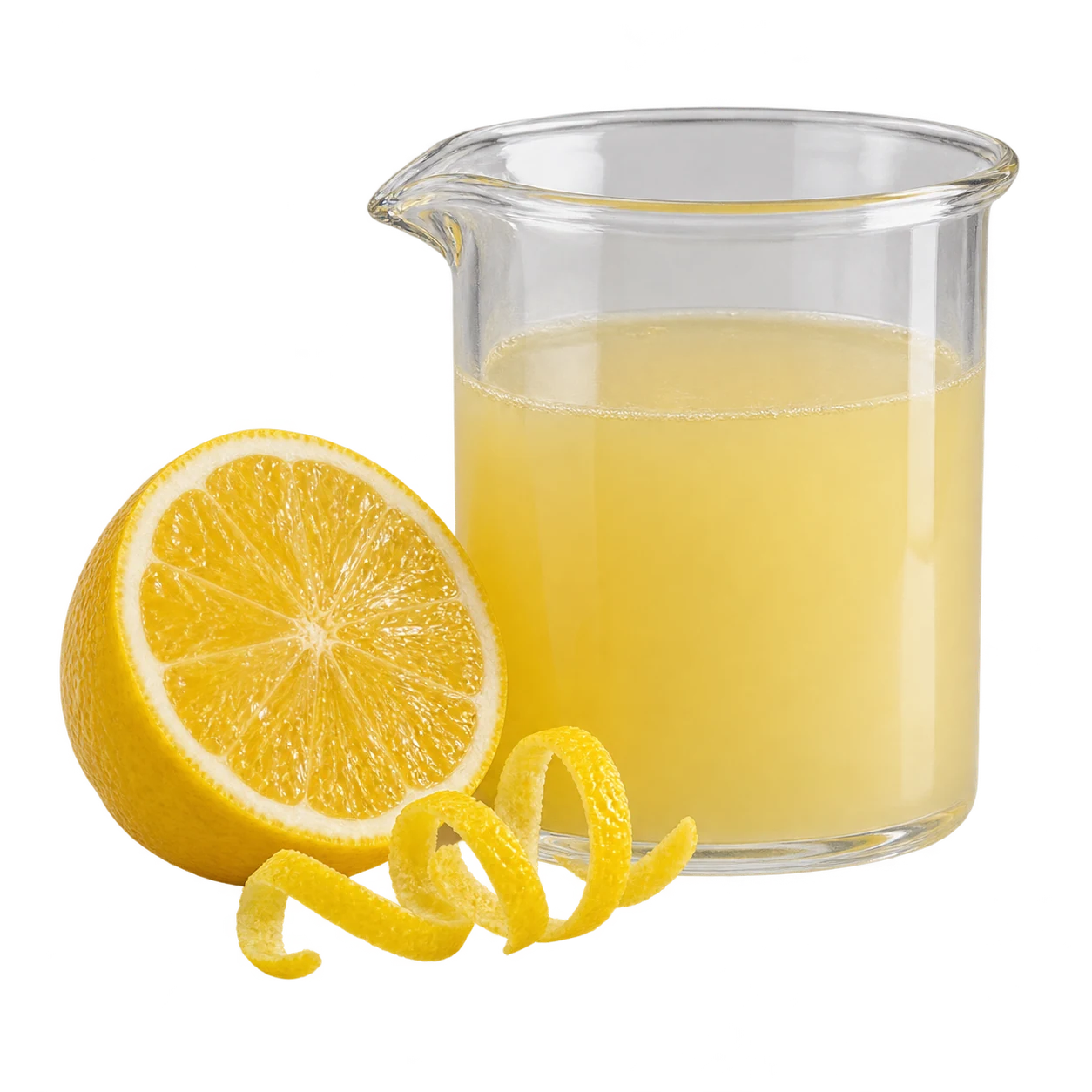
F.E.T – 04 (B) Frozen Lemon Juice ConcentrateF.E.T – 04 (B) FROZEN LEMON JUICE CONCENTRATE
F.E.T – 04 (B) Frozen Lemon Juice Concentrate is a natural product obtained by partly evaporating the water from the freshly squeezed juice of naturally matured sound and clean organically cultivated lemons (certified under council regulation (ec) no 834/2007 and amendements). The juice is pasteurized and then immediately concentrated and frozen in order to guarantee its perfect preservation. it contains no artificial sweeteners or other additives.
F.E.T–15B Frozen Lemon Cells From Organic Farming
F.E.T–15B Frozen Lemon Cells From Organic Farming are a natural product obtained by separating the pulp from the freshly squeezed juice of naturally matured sound organically cultivated lemons (certified under council regulation (ec) no 834/2007 and amendments). The impurities are taken out to leave only the fruit cells. It contains no sweeteners or other additives.
Freeze Dried Apricot Slightly Sweetened Pieces, 0-10 mm
Freeze Dried Apricot Slightly Sweetened Pieces, 0-10 mm are pieces of apricot fruit, ranging from 0 to 10 mm in thickness, that have been freeze dried. Sweeteners have been added for a slightly sweeter taste. This product can easily be applied to many areas of the food industry - from ice cream, to chocolate, to soups, or whatever your need might be.
Freeze Dried Apricot Slightly Sweetened Pieces, 0-8 mm
Freeze Dried Apricot Slightly Sweetened Pieces, 0-8 mm are pieces of apricot fruit, ranging from 0 to 8 mm in thickness, that have been freeze dried. Sweeteners have been added for a slightly sweeter taste. This product can easily be applied to many areas of the food industry - from ice cream, to chocolate, to soups, or whatever your need might be.
Freeze Dried Apricot Slightly Sweetened Powder, 0-2mm
Freeze Dried Apricot Slightly Sweetened Powder, 0-2 mm is a powder composed of freeze dried apricot fruit, with particles ranging from 0 to 2 mm in size. Sweeteners have been added for a slightly sweeter taste. This product can easily be applied to many areas of the food industry - from ice cream, to chocolate, to soups, or whatever your need might be.
Freeze Dried Apricot Unsweetened Pieces, 0-10 mm
Freeze Dried Apricot Unsweetened Pieces, 0-10 mm are pieces of apricot fruit, ranging from 0 to 10 mm in thickness, that have been freeze dried. They contain no added sweeteners. This product can easily be applied to many areas of the food industry - from ice cream, to chocolate, to soups, or whatever your need might be.
Freeze Dried Apricot Unsweetened Pieces, 0-8 mm
Freeze Dried Apricot Unsweetened Pieces, 0-8 mm are pieces of apricot fruit, ranging from 0 to 8 mm in thickness, that have been freeze dried. They contain no added sweeteners. This product can easily be applied to many areas of the food industry - from ice cream, to chocolate, to soups, or whatever your need might be.
Freeze Dried Apricot Unsweetened Powder, 0-2mm
Freeze Dried Apricot Unsweetened Powder, 0-2 mm is a powder composed of freeze dried apricot fruit, with particles ranging from 0 to 2 mm in size. It contains no added sweeteners. This product can easily be applied to many areas of the food industry - from ice cream, to chocolate, to soups, or whatever your need might be.
Freeze Dried Peach Slightly Sweetened Pieces, 0-10 mm
Freeze Dried Peach Slightly Sweetened Pieces, 0-10 mm are pieces of peach fruit, ranging from 0 to 10 mm in thickness, that have been freeze dried. Sweeteners have been added for a slightly sweeter taste. This product can easily be applied to many areas of the food industry - from ice cream, to chocolate, to soups, or whatever your need might be.
Freeze Dried Peach Slightly Sweetened Pieces, 0-8 mm
Freeze Dried Peach Slightly Sweetened Pieces, 0-8 mm are pieces of peach fruit, ranging from 0 to 8 mm in thickness, that have been freeze dried. Sweeteners have been added for a slightly sweeter taste. This product can easily be applied to many areas of the food industry - from ice cream, to chocolate, to soups, or whatever your need might be.
Freeze Dried Peach Slightly Sweetened Pieces, 2-10 mm
Freeze Dried Peach Slightly Sweetened Pieces, 2-10 mm are pieces of peach fruit, ranging from 2 to 10 mm in thickness, that have been freeze dried. Sweeteners have been added for a slightly sweeter taste. This product can easily be applied to many areas of the food industry - from ice cream, to chocolate, to soups, or whatever your need might be.
Freeze Dried Peach Slightly Sweetened Powder, 0-2 mm
Freeze Dried Peach Slightly Sweetened Powder, 0-2 mm is a powder composed of freeze dried peach fruit, with particles ranging in size from 0 to 2 mm in thickness. Sweeteners have been added for a slightly sweeter taste. This product can easily be applied to many areas of the food industry - from ice cream, to chocolate, to soups, or whatever your need might be.
Freeze Dried Peach Unsweetened Pieces, 0-10 mm
Freeze Dried Peach Unsweetened Pieces, 0-10 mm are pieces of peach fruit, ranging from 0 to 10 mm in thickness, that have been freeze dried. They contain no added sweeteners. This product can easily be applied to many areas of the food industry - from ice cream, to chocolate, to soups, or whatever your need might be.
Freeze Dried Peach Unsweetened Pieces, 0-8 mm
Freeze Dried Peach Unsweetened Pieces, 0-8 mm are pieces of peach fruit, ranging from 0 to 8 mm in thickness, that have been freeze dried. They contain no added sweeteners. This product can easily be applied to many areas of the food industry - from ice cream, to chocolate, to soups, or whatever your need might be.
Freeze Dried Peach Unsweetened Pieces, 2-10 mm
Freeze Dried Peach Unsweetened Pieces, 2-10 mm are pieces of peach fruit, ranging from 2 to 10 mm in thickness, that have been freeze dried. They contain no added sweeteners. This product can easily be applied to many areas of the food industry - from ice cream, to chocolate, to soups, or whatever your need might be.
Freeze Dried Peach Unsweetened Powder, 0-2 mm
Freeze Dried Peach Unsweetened Powder, 0-2 mm is a powder composed of freeze dried peach fruit, with particles ranging in size from 0 to 2 mm in thickness. It contain no added sweeteners. This product can easily be applied to many areas of the food industry - from ice cream, to chocolate, to soups, or whatever your need might be.
Fuerst Day Lawson Solutions: Energy
Fuerst Day Lawson Solutions: Energy range is a set of flavours and functional components specifically designed for energy drinks which includes vitamin blends, botanical extracts, stimulants, sweeteners, electrolytes and flavours. The main application for this type of functional ingredients would be beverages and confectionary, but they are also used in cereals, sports nutrition and even pet food. The functional ingredients and blends can provide the with with energy, muscle relaxation, replenish of salt levels, anti-aging properties, anti-oxidation, blood circulation, alertness, virility and potency.
Fuerst Day Lawson Solutions: Lite
Fuerst Day Lawson Solutions: Lite range is a calorie control that is used to combat increasing obesity in developed nations. It has encouraged the development of high-intensity sweeteners which are now added to over 50% of all new beverages.
Glucosweet® Low Fructose Glucose Syrup
Glucosweet® Low Fructose Glucose Syrup is a transparent to light yellow, low viscous liquid with a sweet taste. It combines the sweetness of fructose with the properties of other sweeteners to improve stability, act as an anti-crystallizing agent, extend shelf life, lower freezing point, enhance flavor, and balance sweetness. This product can be used in aerated confectionery, candy bars, jams and marmalade, candied fruit, ice cream, sorbets, and a variety of soft and semi-moist products.
Hard Red Spring Wheat
In the United States hard red spring wheat is grown mostly in North Dakota, Montana, South Dakota and Minnesota. It is very high in gluten and protein which makes it very nutritious and suitable for the finest of yeast breads, rolls and even bagles. In addition to making food and baking breads this wheat is uesd for other applications such as sweeteners and food thickeners.
Hard Red Winter Wheat
Hard Red Winter Wheat is grown mostly in North Dakota, Montana, South Dakota and Minnesota. It is very high in gluten and protein, dietary fibers, manganese and selenium which makes it very nutritious and suitable for the finest of yeast breads, rolls and even bagles. It is also used in yeast leavened breads and rolls, artisan breads, sweet foods as well as all-purpose flour and is used in sweeteners and food thickeners.
Luo Han Guo Extract
Luo Han Guo Extract is derived from the dried fruits that are ellipse or round, with brown or snuff surface and abundant small pale and black hairs. After processed, it can be used as a remedy for colds and congestion of the lung. This product is a versatile natural sweetener that is ideally suited to replace artificial sweeteners such as aspartame. It works well in beverages, baked foods, nutritional foods, diet foods or any food product that requires either a low to no carbohydrate sweetener or low to no calories.
MAGVIA™
MAGVIA™ is a natural sweetener, which comes with all the benefits, and none of the typical aftertaste. Magvia™ is already being used in a wide variety of food and beverage applications.And with its low calorie count, Magvia™ is especially suitable for diabetic patients. Where so many sweeteners offer benefits, Magvia™ offers these and more, including perhaps the most important for commercial products, a really great natural and pleasing taste. Magvia™ is a formula that combines two main ingredients - mono ammonium glycyrrhizinate and rebaudioside A. The sweetness intensity of Magvia™ is 100 to 250 times stronger than that of sucrose.Mono ammonium glycyrrhizinate (MAG) comes from wild licorice roots; and rebaudioside A is isolated from the leaves of organic Stevia. By weakening the bitter compounds in Stevia, and utilizing the sweetness of MAG, Magvia™ provides a more rounded sweetness, that enables significant improvements in your products. Quality is the life-line of BGG’s Brand reputation. Our R&D and production facilities operate in compliance with cGMP, HACCP, and ISO standards.
Aspartame
Aspartame is a food additive that works as a sweetener. Aspartame functions well in a wide variety of products including soft drinks, chewing gum, gelatin, desserts, yogurt, and some table top sweeteners. When compared to sugar, Aspartame tastes very similar while enhancing flavors and greatly lowering the amount of tooth decay as a result of consuming the product.
Aspartame Powder FCC
Aspartame Powder FCC is derived from two amino acids (L-aspartic acid and L-phenylalanine). It is a white odorless crystalline powder that has a sweet intense taste. This product is approximately 200 sweeter than sugar and sparingly soluble in water. It is also slightly soluble in alcohol. This product is used as a sweetener, sugar substitute, and flavor enhancer. It is used in tabletop sweeteners, beverages, dairy, confectionery, desserts and pharmaceutical preparations.