Where it is used
Home / Food, Beverage & Nutrition / ingredients
Food, Beverage & Nutrition
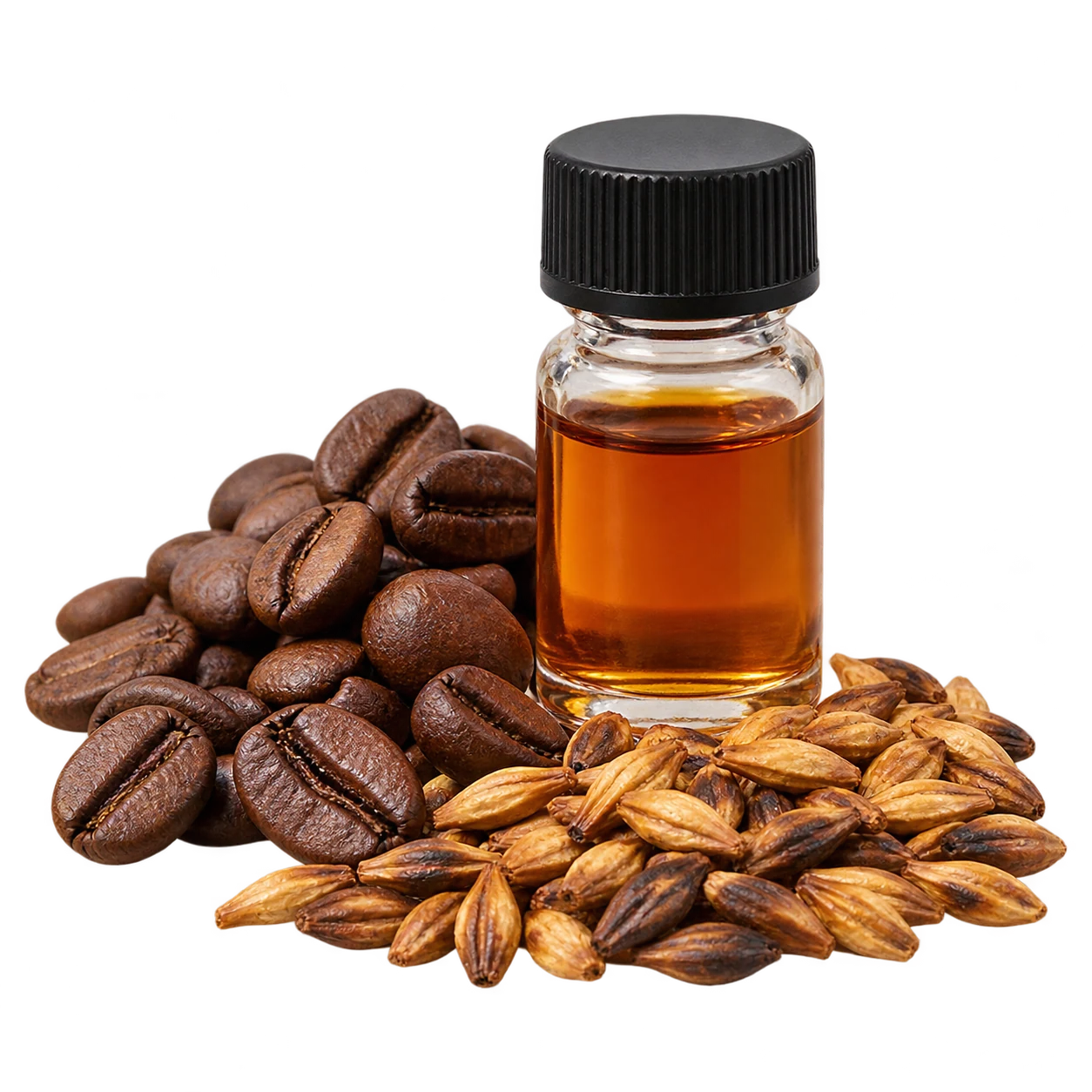
Caramel color is a golden brown (honey or amber) color to a deep dark almost-black brown (coffee or cola) color. It is always water-soluble in either liquid or powdered form and is prepared by the controlled heating of food grade carbohydrates with or without added chemical catalysts.
No document is attached to this grade yet.
ColorMaker Inc. publishes documents in the marked regions.
ColorMaker Inc. lists this grade in the Chemicals DB directory.
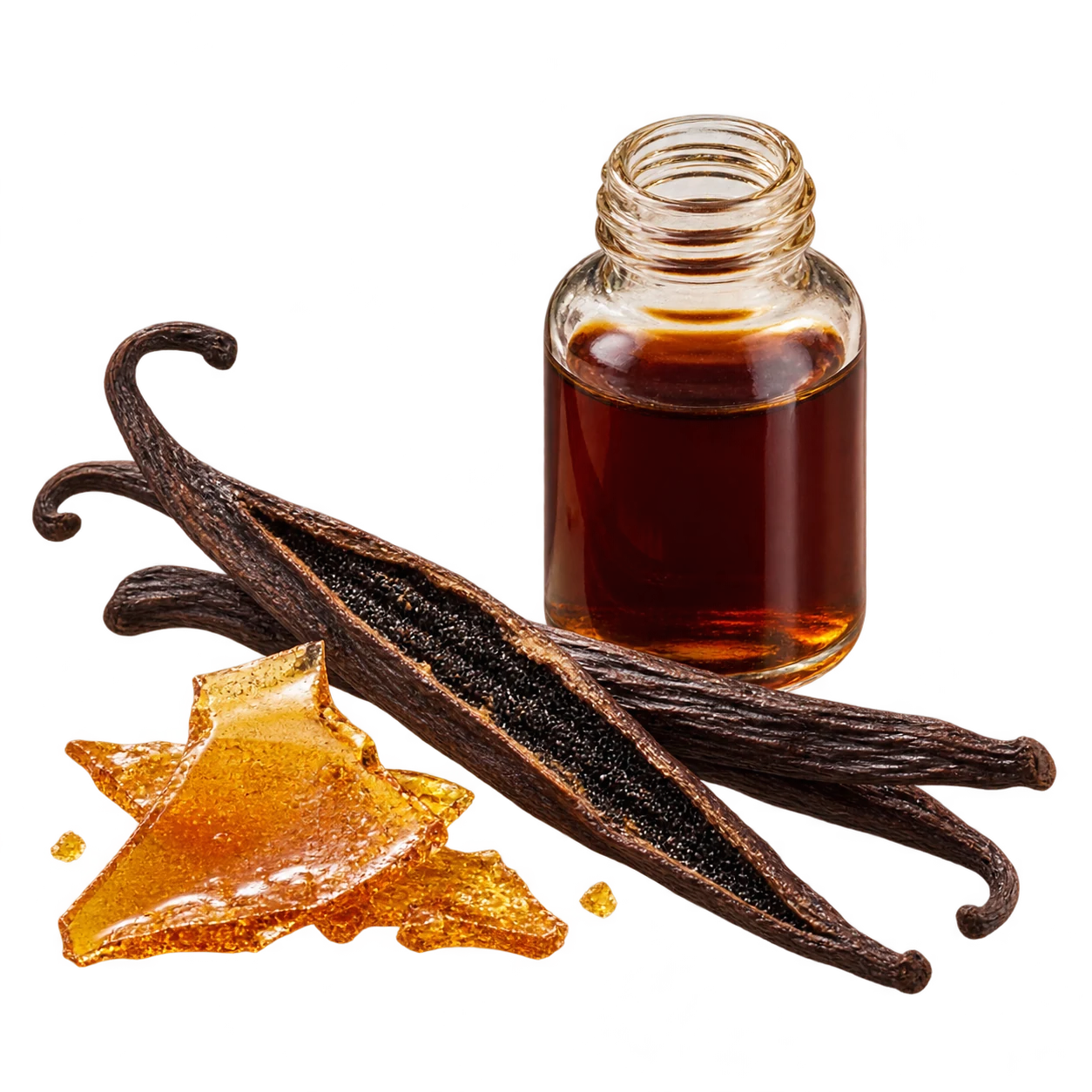
Beet Juice is a rich, red vegetable juice made from pressing or grinding beets. This product is readily soluble in water and provides an intense color. Beet Juice is mainly used in products with short shelf-life requirements and that are sold in a dry state such as ice cream, yogurt, gravies, and sauces.
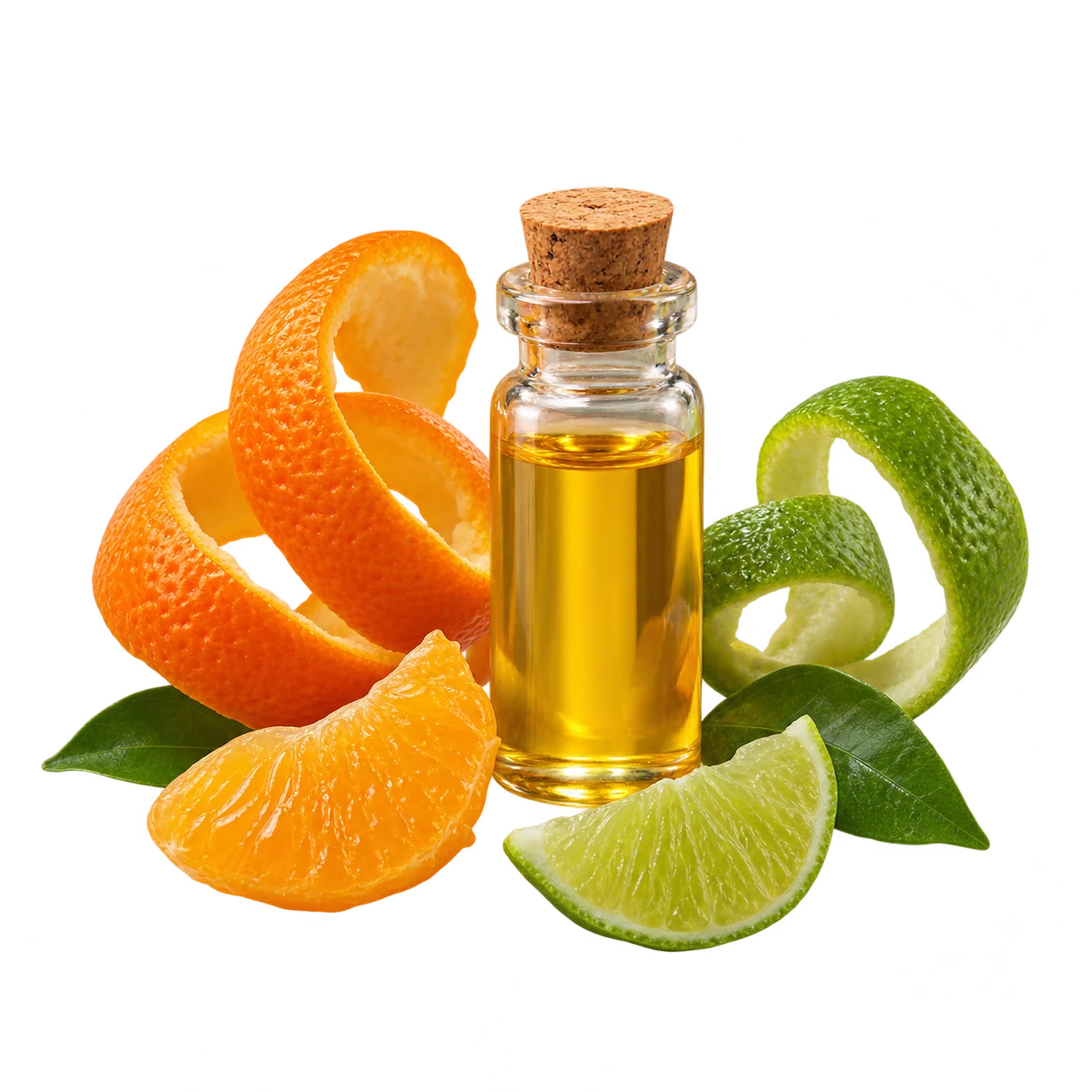
Beta Carotene is a carotenoid substance naturally found in plants. This product is primarily responsible for the pigment in orange colored fruits and vegetables, but also contributes to the pigment in red, yellow, and green colored fruits and vegetables. Beta Carotene is used in yellow to yellow-orange colored food products not requiring clarity, such as cantaloupe, broccoli, spinach, palm oil, and carrots.
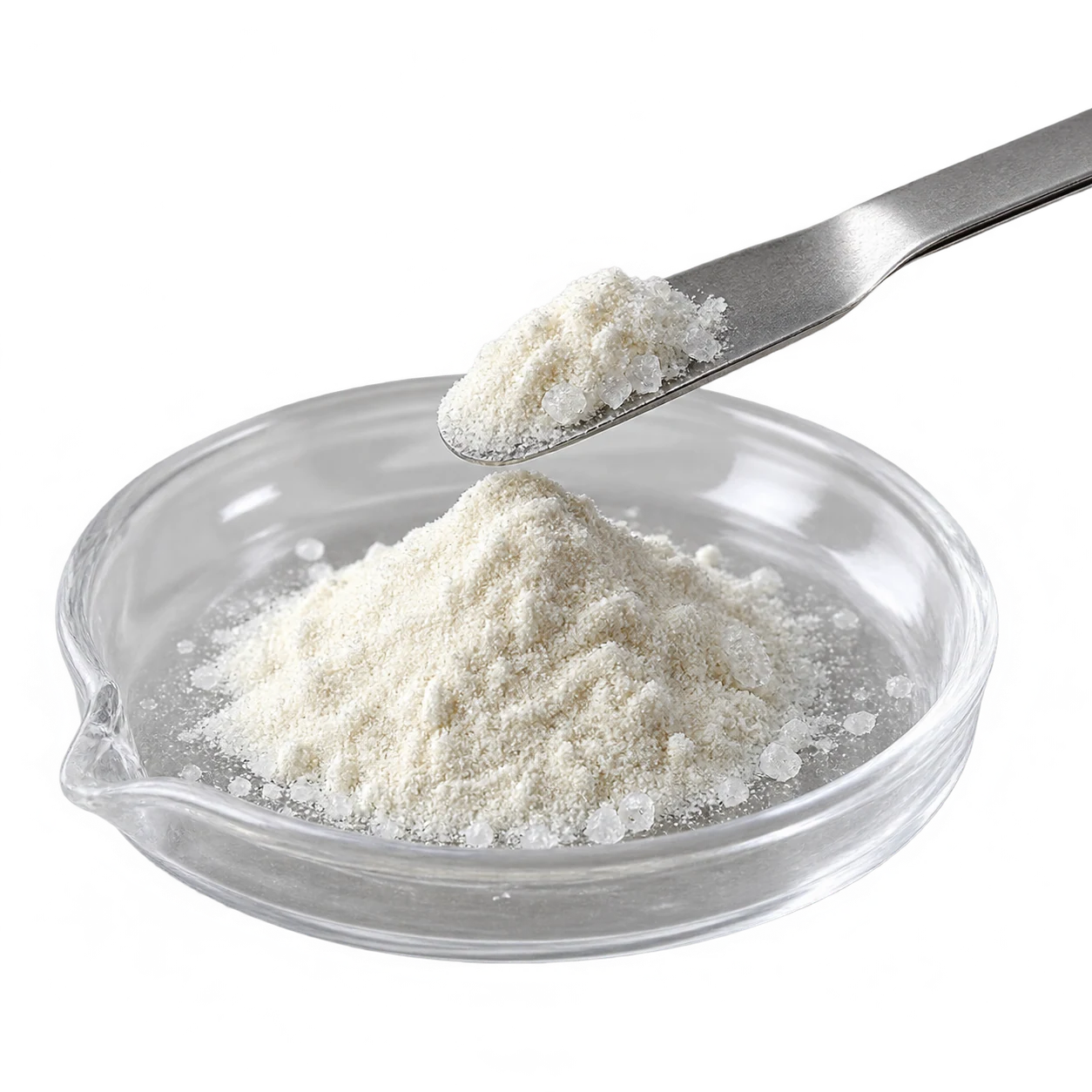
Carmine is a bright red colorant required the labor of hundreds of subjects combing the desert in search of the cochineal insect. The colorant is extracted from the bodies of female insects, which may contain from 10% to 20% of their dry weight of the color principle chemically called: carminic acid. It is estimated that about 25 million insects are required to make 32 pounds of water-soluble extract.
Grape is the single most abundant fruit harvested in the world from which a natural color is commercially obtained. Grapes are highly pigmented with anthocyanins, a pool of colorants responsible for the purple, violet, blue, magenta, red and orange color of many fruits, vegetables and flowers. Anthocyanins are often extracted from the grape skin remaining after wine crushing or from the "leas," the sediment at the bottom of barrels from the wine aging process.