
Where it is used
Home / Food, Beverage & Nutrition / ingredients
Food, Beverage & Nutrition
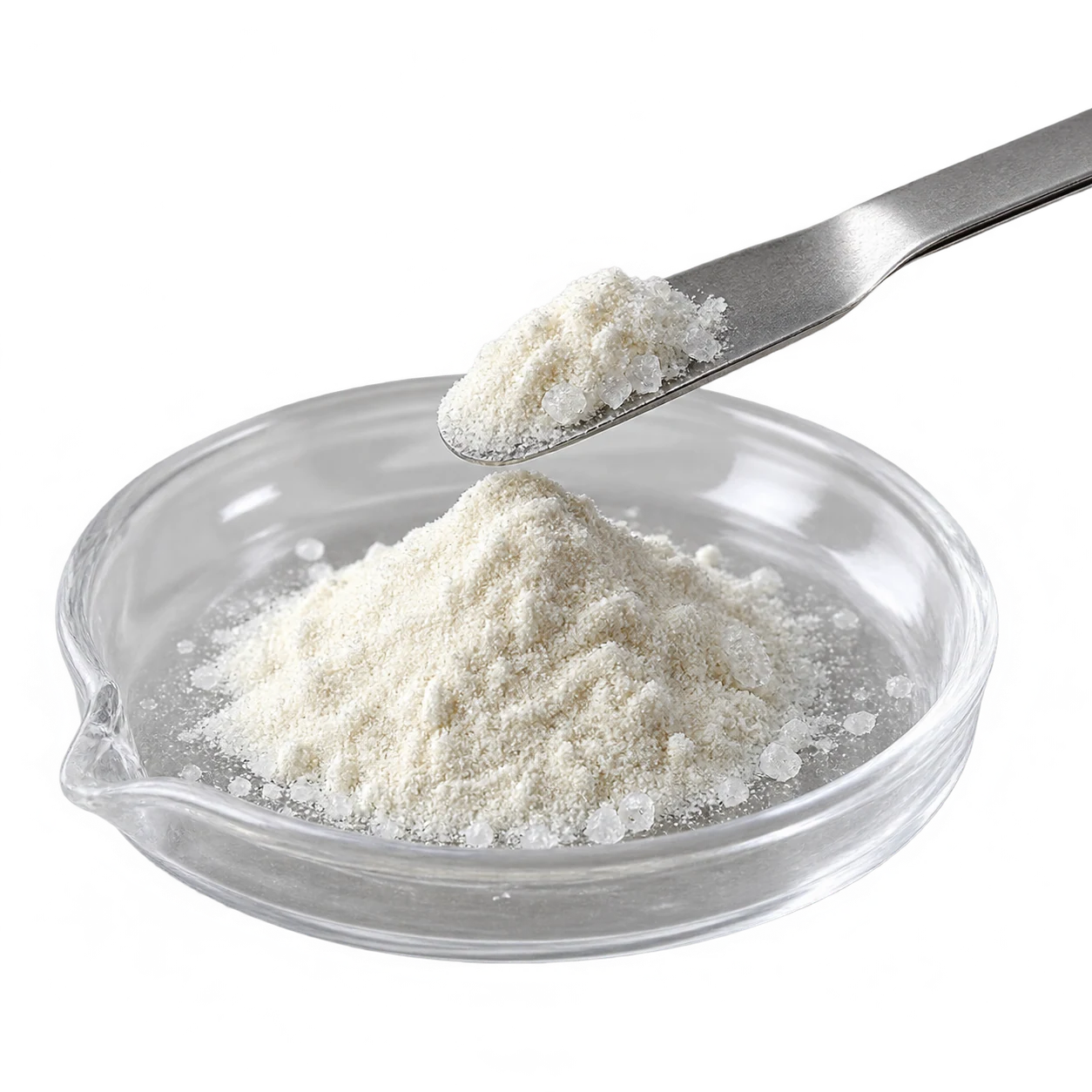
BCAA 2:1:1 is short for Branched-Chain Amino Acids that are made up of leucine, isoleucine, and valine which are primarily metabolized in skeletal muscles. BCAA serves as both an important energy substrate during exercise and a precursor for the synthesis of other amino acids and proteins. This product is provided as white crystals or a white crystalline powder and is used as a nutritional supplement in functional foods and beverages.
No document is attached to this grade yet.
QHNUTRACEUTICALS CO., LTD. publishes documents in the marked regions.
QHNUTRACEUTICALS CO., LTD. lists this grade in the Chemicals DB directory.
Beta-Alanine is a naturally occurring beta amino acid produced in muscle tissue as a component of carnosine. Carnosine acts as a buffering agent, delaying acidic build-up that causes muscle failure and fatigue. This product is provided as a white powder or crystalline powder and is used as a nutritional supplement in sports drinks and powders.
Chromium Picolinate is a bright red or pink powder with a slight odor and unpleasant taste. It is a combination of the element chromium and picolinic acid. This product is used as a nutritional supplement and is marketed as an aid in weight loss by increasing levels of insulin.
Coenzyme Q10 is a yellow to orange, crystalline powder and is a naturally occurring substance within the body that can be used as a food additive or nutritional supplement. It is believed to reduce the effects of aging, increase heart health, and decrease high blood pressure. It can be found naturally in red meat, fish, poultry, nuts, canola oil, and soybean oil.
D-Aspartic Acid is a white or almost white, crystalline powder that is soluble in water, but insoluble in ether and alcohol. In humans, it modulates melatonin synthesis in the pineal gland. It is used in food as a nutritional supplement and is found in some sports drinks or powders.