
Where it is used
Home / Food, Beverage & Nutrition / ingredients
Food, Beverage & Nutrition
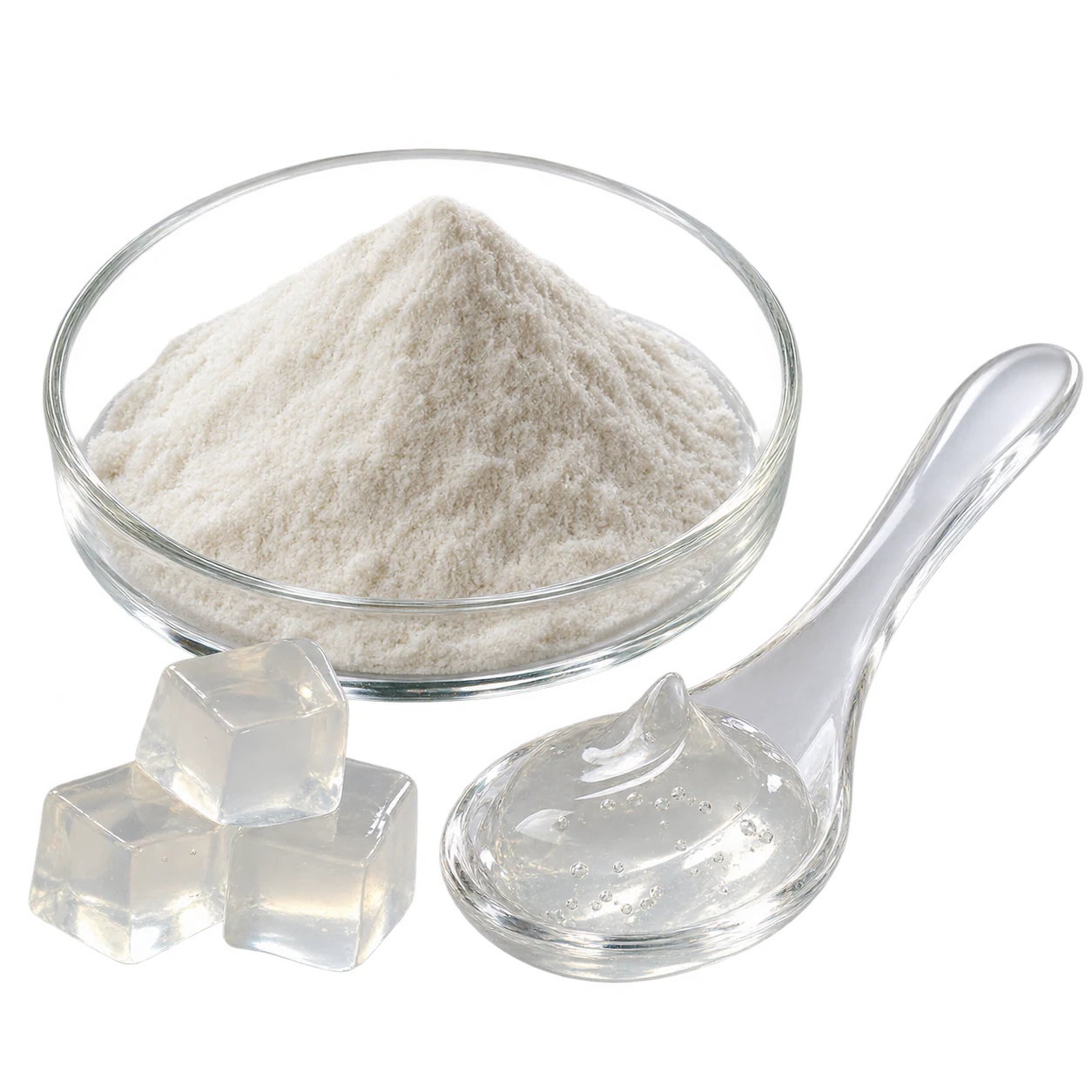
Locust Bean Gum Powder has a similar taste profile to cocoa, and is used in food products for moisture control, as a viscous agent, a stabilizer, thickening agent, as a texture modifier and to improve elasticity. This product is used to thicken products such as ice creams, baby foods, desserts and fruit extract syrups. Locust Bean Gum Powder is often used as a substitute for cocoa in specialty food items made for diet conscious and diabetic end users.
No document is attached to this grade yet.
Altrafine Gums publishes documents in the marked regions.
Altrafine Gums lists this grade in the Chemicals DB directory.
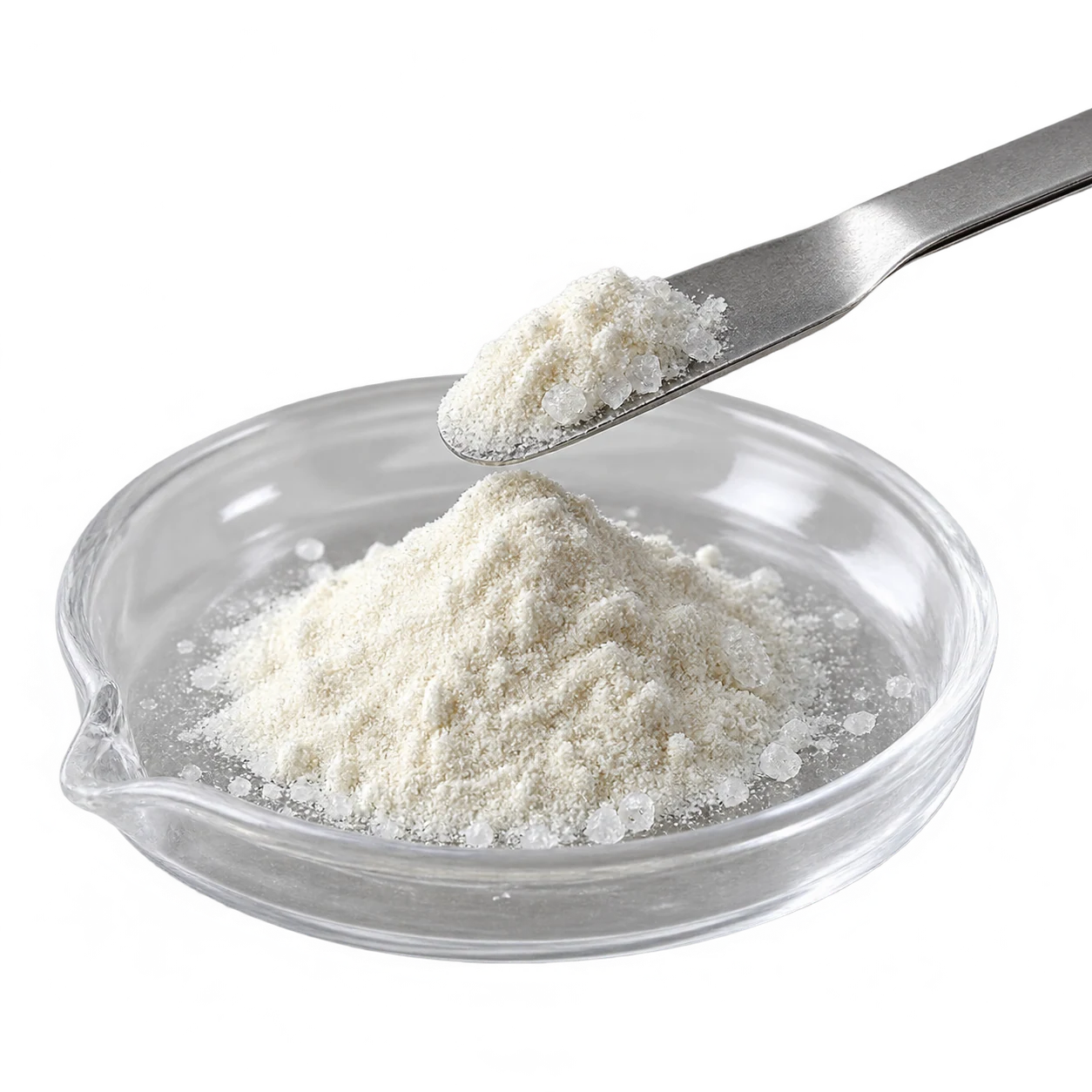
Cassia Tora Powder – 100 Mesh is a wild crop and grows in most parts of India as a weed. A natural gelling agent which has industrial and food applications is made commercially from the seed. This product appears as an off-white to yellowish powder, and has a particle distribution of 100 mesh pass thru 80-100%. The primary chemical constituents of Cassia include cinnamaldehyde, gum, tannins, mannitol, coumarins, and essential oils. This product is used as a gelling agent, thickener, emulsifier, and a bonding agent.
Cassia Tora Powder – 150 Mesh is a wild crop and grows in most parts of India as a weed. A natural gelling agent which has industrial and food applications is made commercially from the seed. This product appears as an off-white to yellowish powder, and has a particle distribution of 150 mesh pass thru 80-100%. The primary chemical constituents of Cassia include cinnamaldehyde, gum, tannins, mannitol, coumarins, and essential oils. This product is used as a gelling agent, thickener, emulsifier, and a bonding agent.
Cassia Tora Powder – 60 Mesh is a wild crop and grows in most parts of India as a weed. A natural gelling agent which has industrial and food applications is made commercially from the seed. This product appears as an off-white to yellowish powder, and has a particle distribution of 60 mesh pass thru 80-100%. The primary chemical constituents of Cassia include cinnamaldehyde, gum, tannins, mannitol, coumarins, and essential oils. This product is used as a gelling agent, thickener, emulsifier, and a bonding agent.
Cumin is native to Egypt and has been cultivated in the Middle East, India, and China and Mediterranean countries for millennia. Cumin has played an important role as a food and medicine and has been a cultural symbol with varied attributes. Today and history also has experienced the flavor of cumin during the Roman Empire and in the ancient India where cumin has its mention as the sugandhan “well-smelling”. Cumin still maintained an important role in Indian and Middle Eastern cuisines. Today, cumin is experiencing improved recognition owing to newfound appreciation of its culinary and therapeutic properties. Cumin is supposed to increase lactation and reduce nausea in pregnancy and has been shown to be effective in treating carpal tunnel syndrome, as well as diarrhea, indigestion and morning sickness.