
Where it is used
Home / Food, Beverage & Nutrition / ingredients
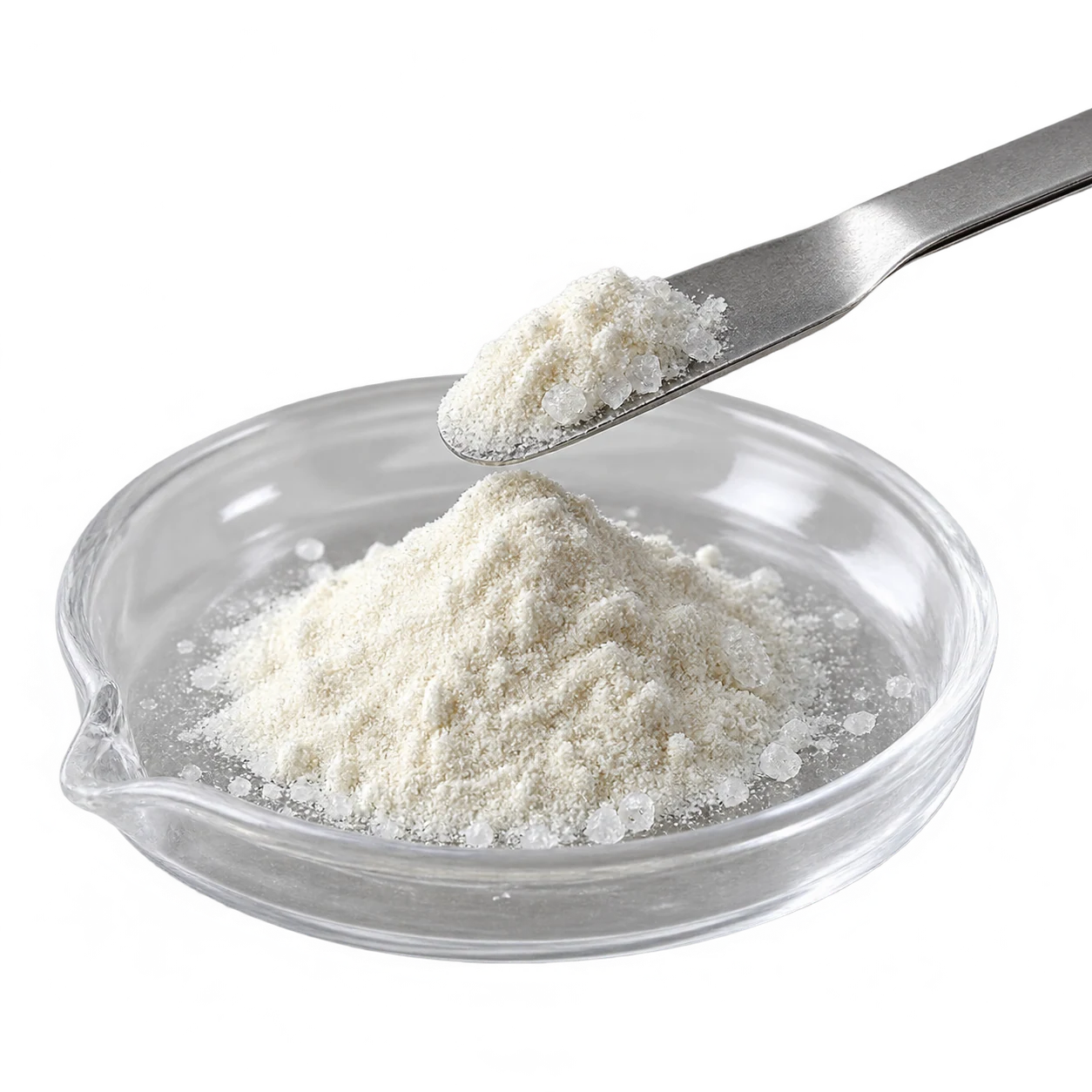
Food, Beverage & Nutrition
Leucine is an amino acid that is found in many types of protein and is considered to be necessary for the proper absorption of various types of nutrients. Leucine acid is also available in supplement form and is popular among people who engage in sports activities on a regular basis. Leucine amino acid is also used as a food additive, as the compound can help to enhance the flavor of many different types of food. In the body, leucine is produced by the process of hydrolysis and can involve just about every type of food protein that is consumed. The acid is used in muscle tissue, the liver, and in adipose tissue. In the case of muscle and adipose tissue, leucine is one of the components needed to form sterols. There are several ways in which the leucine protein product helps maintain proper function of various organs and muscle groups. One important role of the amino acid involved helping the body to maintain a proper blood glucose level.
No document is attached to this grade yet.
I.H.C. Chempharm publishes documents in the marked regions.
I.H.C. Chempharm lists this grade in the Chemicals DB directory.
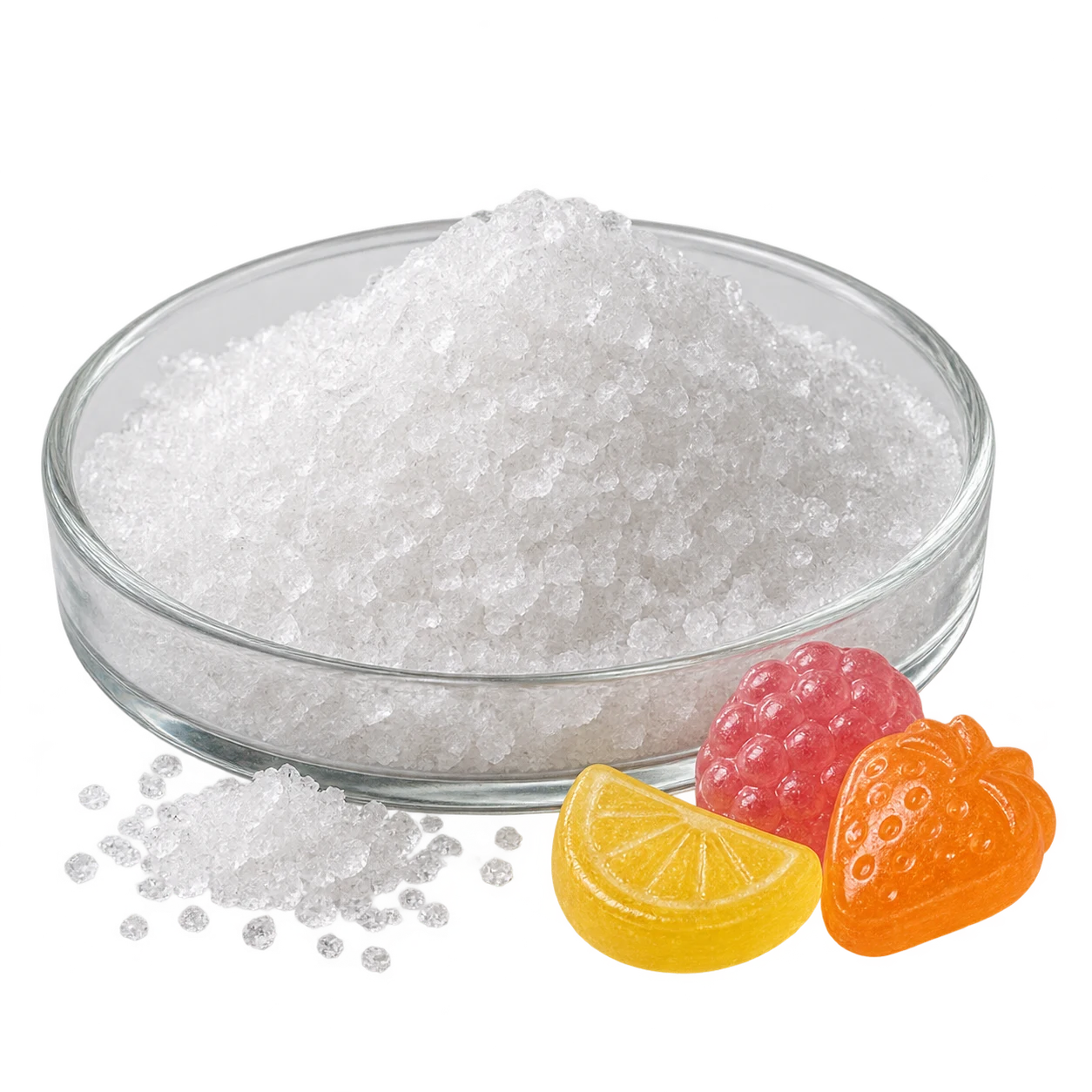
Acesulfam-K is a calorie-free sugar substitute (artificial sweetener), also known as Acesulfame K or Ace K. It is a food additive and sweetening agent for use in the bakery and beverage industry as well as in diary products.
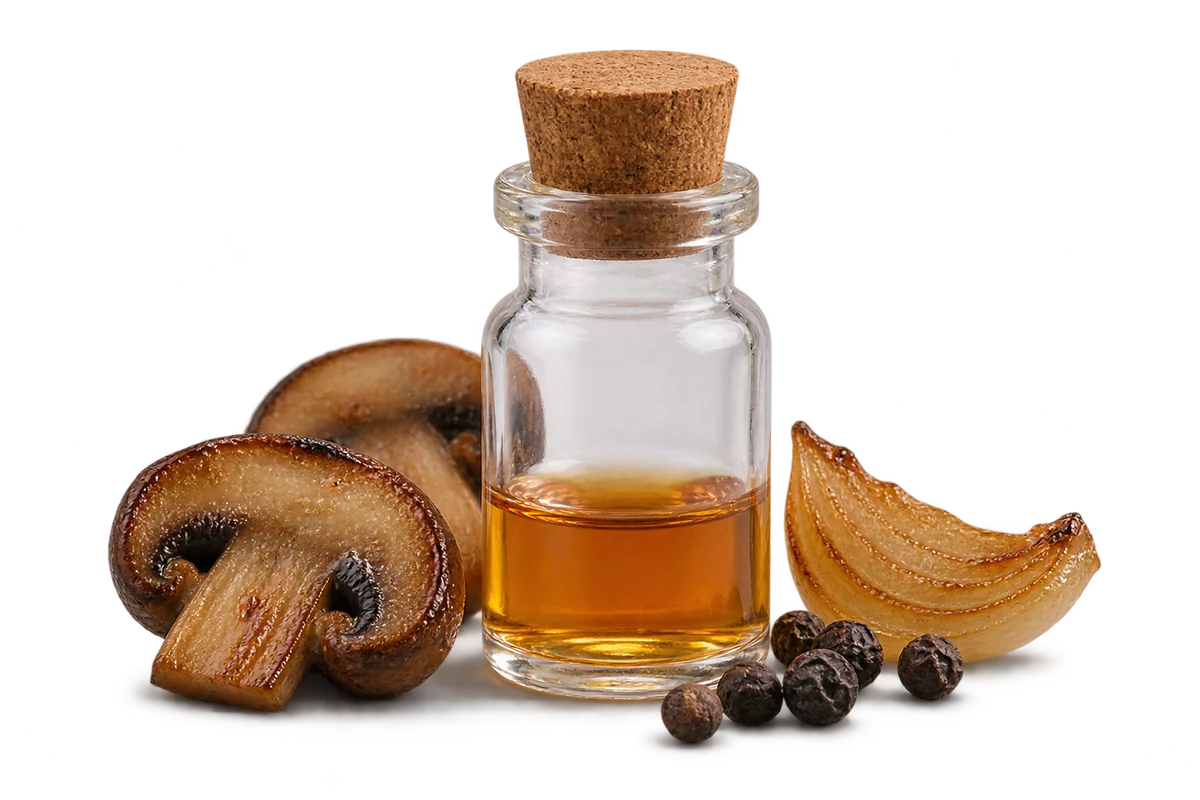
Beta Carotine (Provitamin) is a yellow-orange food colorant, used in beverages, butter, margarine, dairy products and candies.
Biotin (Vitamin B7 / Vitamin H) is a B-complex vitamin, also known as vitamin B-7 or vitamin H. It is important in a number of metabolic functions in the human body, including cell growth, the synthesis of fatty acids, and the metabolism of the amino acid leucine. Biotin also assists in the Krebs cycle, through which the body converts food into energy, and in the transfer of carbon dioxide within the body. Intestinal bacteria naturally produce this vitamin, and a deficiency is therefore quite rare.
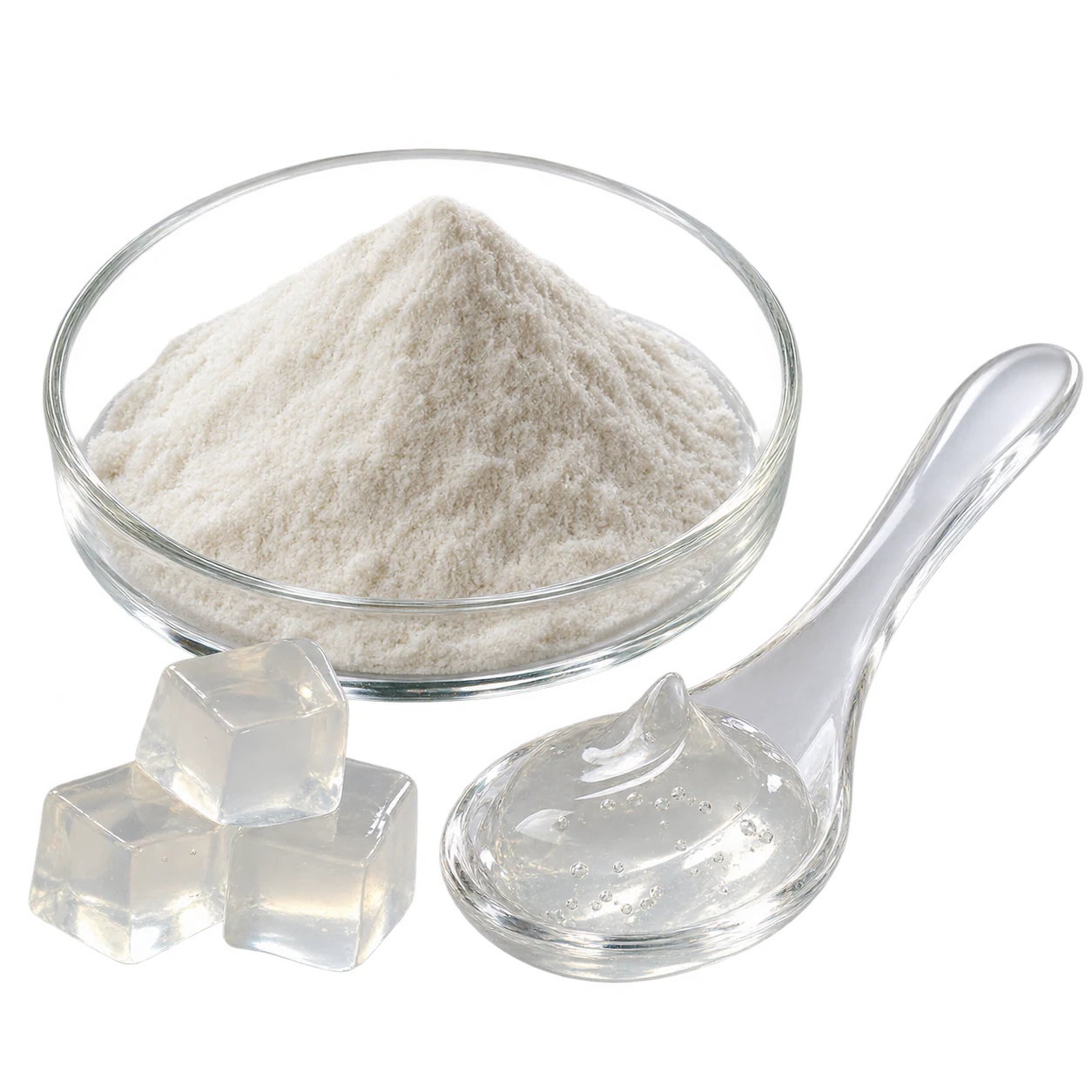
Agar-agar, usually seen abbreviated as agar, is a gelatinous substance derived from certain types of red algae, or seaweed. There are a number of uses for it, although most people are familiar with it as the culture medium in petri dishes. This substance is also perfectly edible, and in addition to appearing in regional cuisine, it is also used as a thickening agent in candies and other foods. Since it is derived from plant material, it has the advantage of being suitable for vegetarians, unlike gelatin, which is derived from animal sources.