
Where it is used
Home / Food, Beverage & Nutrition / ingredients
Food, Beverage & Nutrition
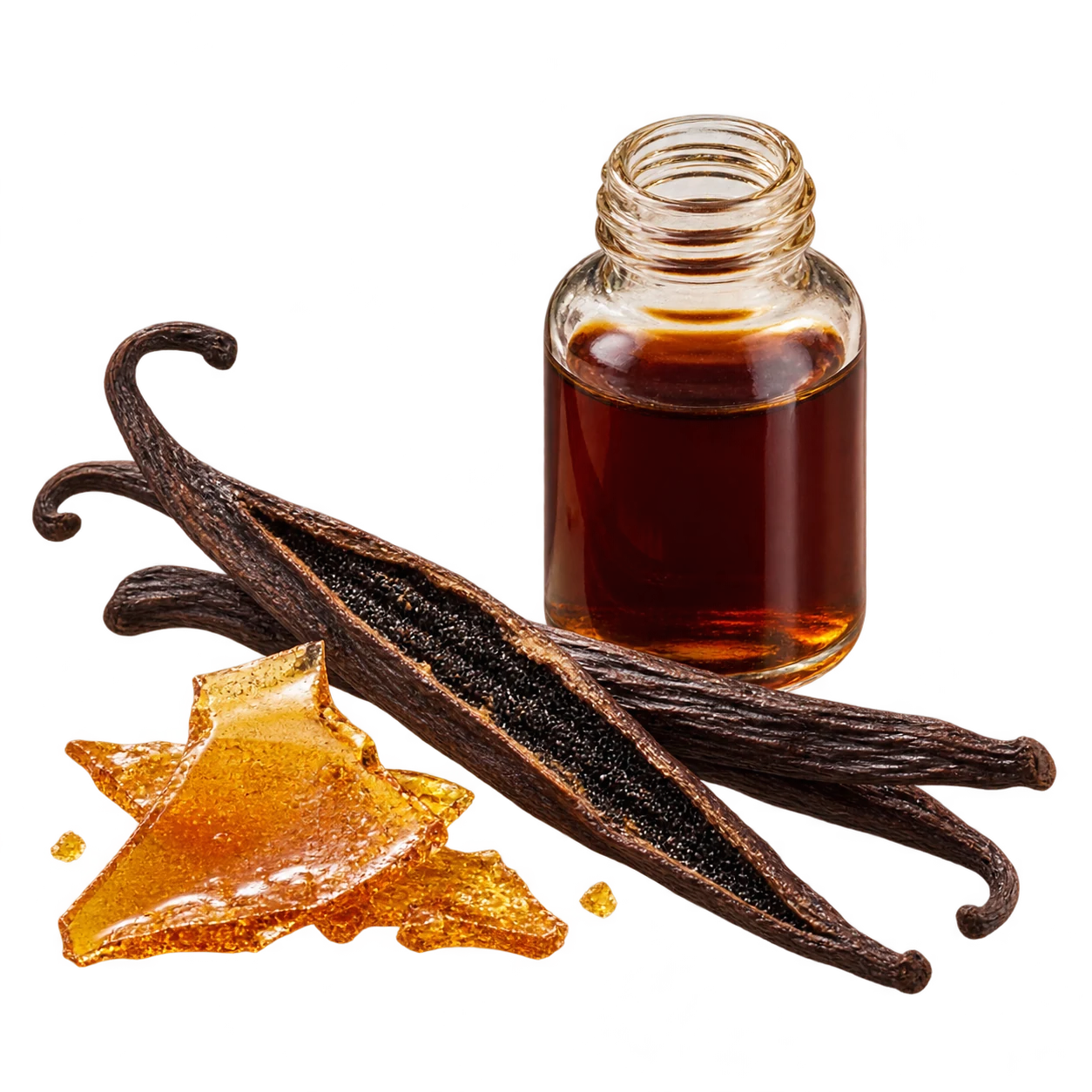
Ethyl-vanillin is a phenolic aldehyde, which is an organic compound with the molecular formula C8H8O3. Its functional groups include aldehyde, hydroxyl, and ether. It is the primary component of the extract of the vanilla bean. Synthetic vanillin, instead of natural vanilla extract, is now more often used as a flavoring agent in foods, beverages, and pharmaceuticals. Vanillin and ethylvanillin are used by the food industry; ethylvanillin is more expensive, but has a stronger note. It differs from vanillin by having an ethoxy group (–O–CH2CH3) instead of a methoxy group (–O–CH3). Artificial vanilla flavoring is often a solution of pure vanillin, usually of synthetic origin. Because of the scarcity and expense of natural vanilla extract, there has long been interest in the synthetic preparation of its predominant component. The first commercial synthesis of vanillin began with the more readily available natural compound eugenol. Today, artificial vanillin is made either from guaiacol or from lignin. The largest use of vanillin is as a flavoring, usually in sweet foods. The ice cream and chocolate industries together comprise 75% of the market for vanillin as a flavoring, with smaller amounts being used in confections and baked goods.
No document is attached to this grade yet.
I.H.C. Chempharm publishes documents in the marked regions.
I.H.C. Chempharm lists this grade in the Chemicals DB directory.
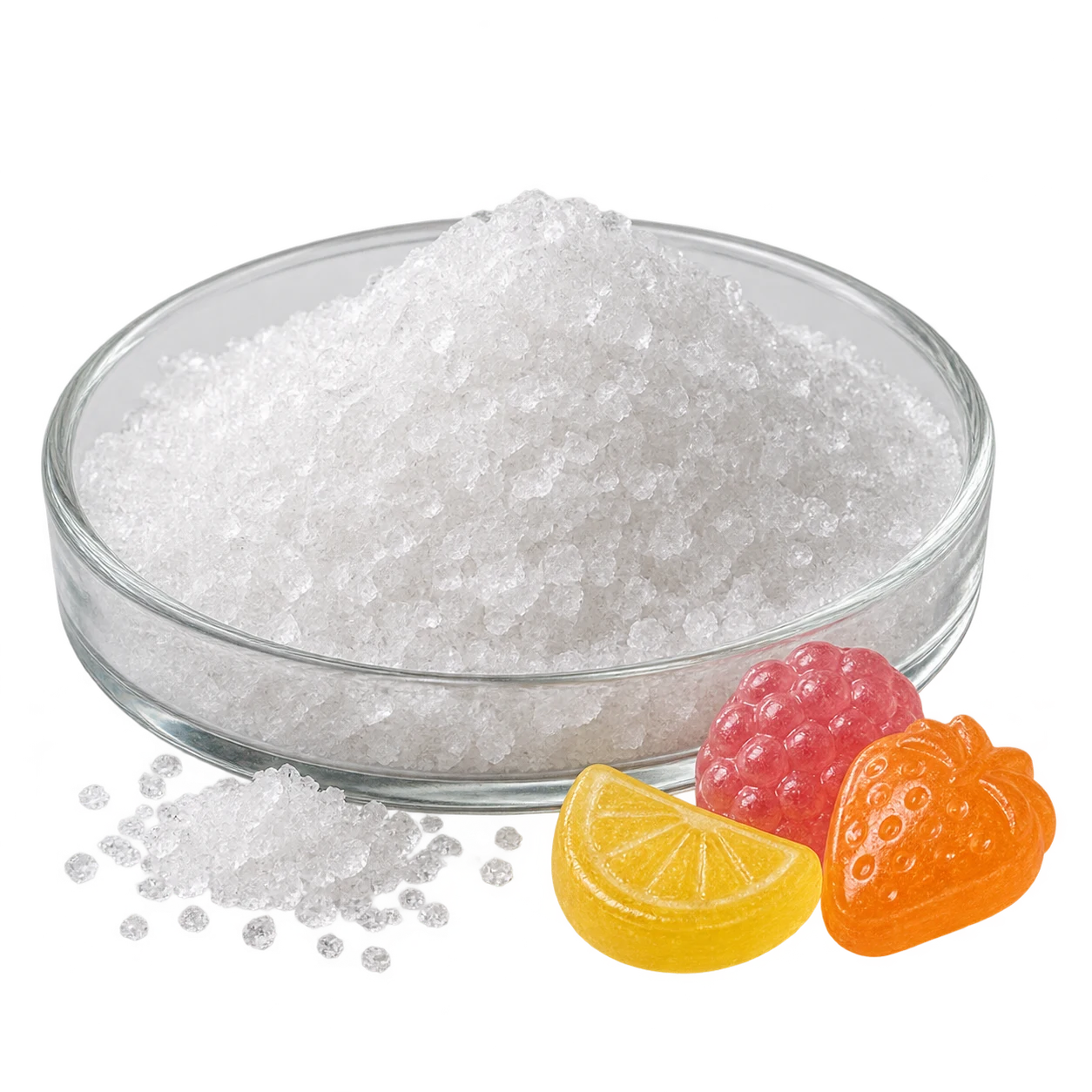
Acesulfam-K is a calorie-free sugar substitute (artificial sweetener), also known as Acesulfame K or Ace K. It is a food additive and sweetening agent for use in the bakery and beverage industry as well as in diary products.
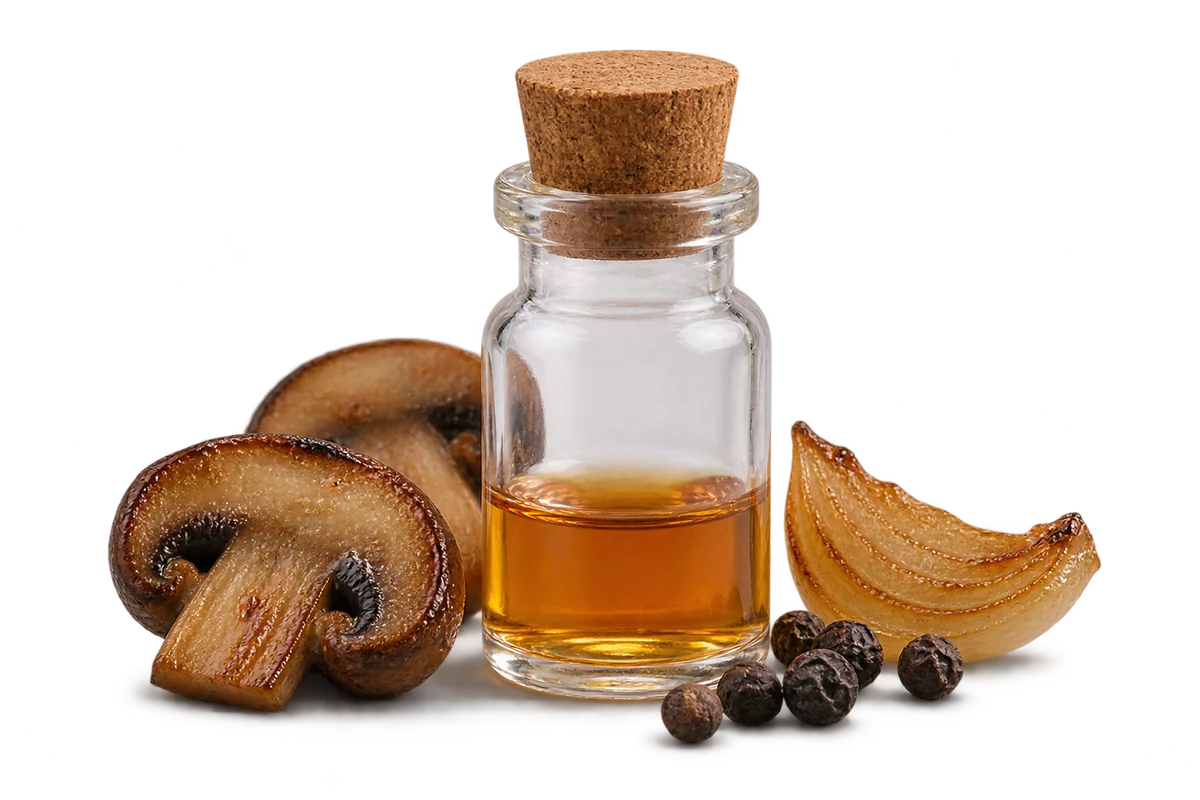
Beta Carotine (Provitamin) is a yellow-orange food colorant, used in beverages, butter, margarine, dairy products and candies.
Biotin (Vitamin B7 / Vitamin H) is a B-complex vitamin, also known as vitamin B-7 or vitamin H. It is important in a number of metabolic functions in the human body, including cell growth, the synthesis of fatty acids, and the metabolism of the amino acid leucine. Biotin also assists in the Krebs cycle, through which the body converts food into energy, and in the transfer of carbon dioxide within the body. Intestinal bacteria naturally produce this vitamin, and a deficiency is therefore quite rare.
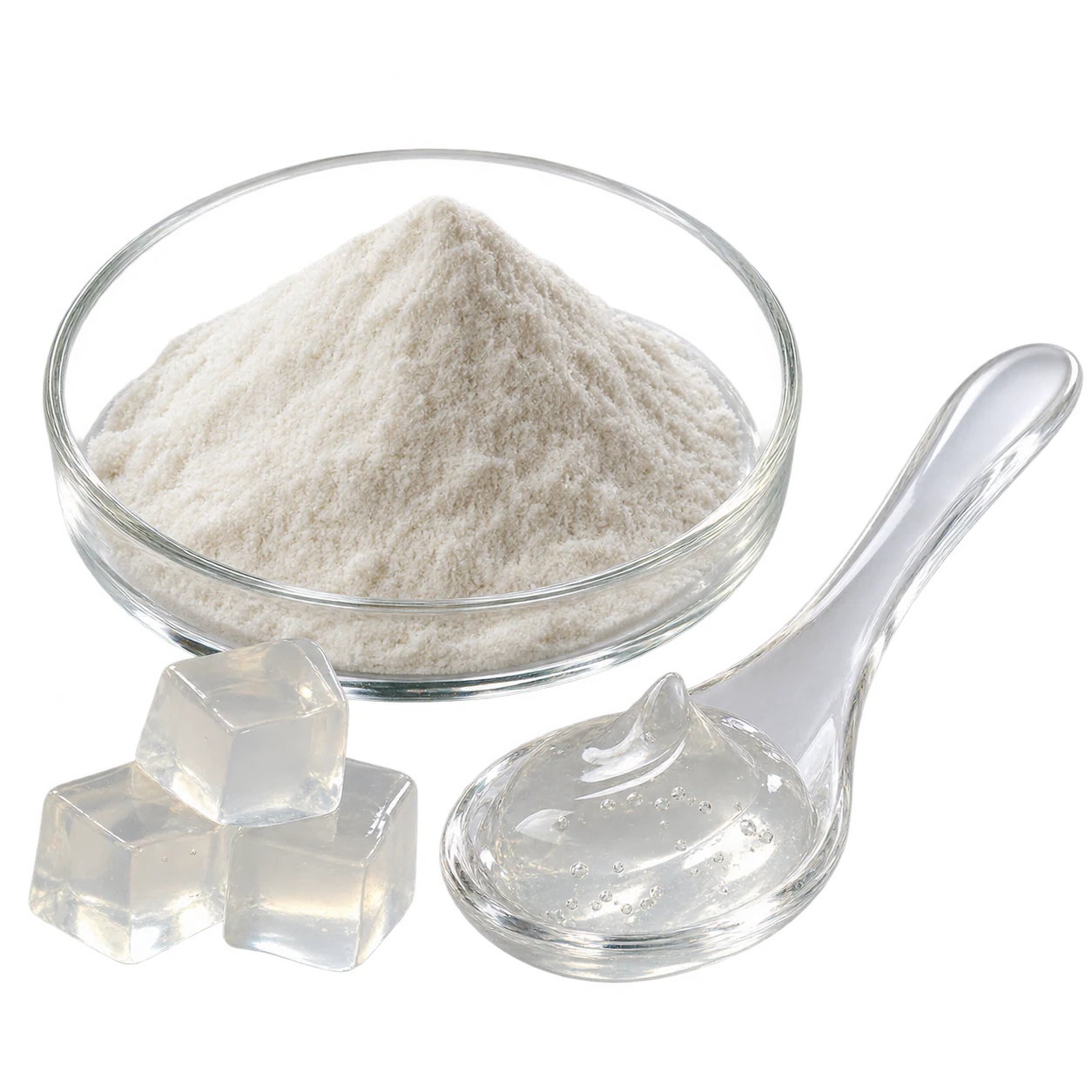
Agar-agar, usually seen abbreviated as agar, is a gelatinous substance derived from certain types of red algae, or seaweed. There are a number of uses for it, although most people are familiar with it as the culture medium in petri dishes. This substance is also perfectly edible, and in addition to appearing in regional cuisine, it is also used as a thickening agent in candies and other foods. Since it is derived from plant material, it has the advantage of being suitable for vegetarians, unlike gelatin, which is derived from animal sources.