Home / Paint & Coatings / Suppliers / Cospheric LLC
Paint & Coatings
Cospheric LLC
Cospheric LLC lists 11 grades in Paint & Coatings. The sheets saved on this site are below.
Grades from Cospheric LLC
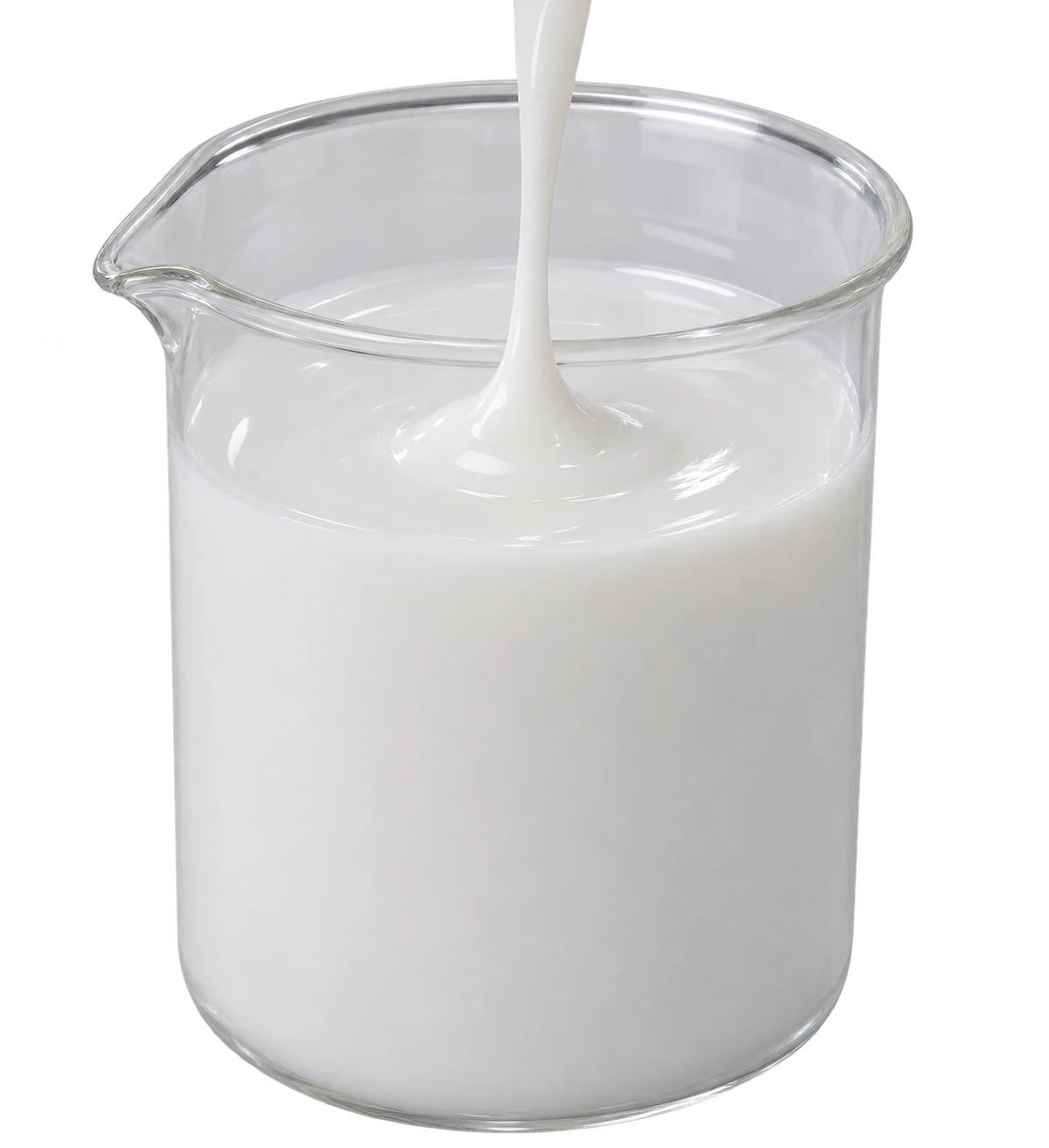
Amorphous Silica Microspheres & Nanospheres
Silica microspheres are inherently hydrophillic and negatively charged. These particles provide higher opacity than glass microspheres and are often used as contrast particles. Aqueous suspensions of silica microspheres rarely require the use of surfactants or stabilizers. Silane coatings enable silica microspheres to be modified to generate functional groups or alter surface properties. Additional advantage of silica microspheres is glass transition temperature of over 1000 degrees Celsius, which makes them suitable for high temperature applications. Silica microspheres and nanospheres are composed of synthetic amorphous silica made in a laboratory batch environment.
Barium Titanate Glass Spheres & Microspheres
Barium titanate glass is a unique optical glass formulation based on a large percentage of Barium Oxide (BaO) and Titanium Oxide (TiO2), as opposed to other traditional glass formulas which are mostly Silica (SiO2). Barium titanate glass offers a much higher refractive index compared to other glass formulations. Refractive Index is the ratio of the speed of light in a vacuum to the speed of light in the specified material - a description of how light slows down as it passes through an optical material. High refractive index microspheres are critical when used for optical systems where high refractive power is required such as endoscopy, micro-optics, defense and microscopy. Barium titanate glass microspheres will reflect back more light directly to the viewer. High index of refraction enables retroreflectivity which is often desired in guard rails, traffic signs, reflective paint, tape or clothing. Barium titanate glass hemispherically coated with aluminum ensures that the light bounces off the aluminum- coated half of the sphere and produces the retroreflective effect for high visibility in dark conditions.
Borosilicate Glass Spheres & Microspheres
Borosilicate Glass is well-known for its durability, low coefficient of expansion, low density, high softening point, high resistance to acids and thermal shock, compared to other glass formulations. The chemical composition consists primarily of silicon oxide (SiO2) and boron oxide (B2O3). Solid Glass Microspheres, also called glass beads, provide multiple benefits including enhanced processing, excellent chemical and heat resistance, thermal stability, low oil absorption, and are often used in automotive, electrical, household appliance, adhesives, packaging, paint and construction industries. Glass is non-toxic, extremely stable and recyclable. Cospheric specializes in solid glass microspheres with perfect sphericity, tight tolerances and particle size distributions for biomedical, life sciences, microscopy, automotive, high-tech equipment and specialty applications.
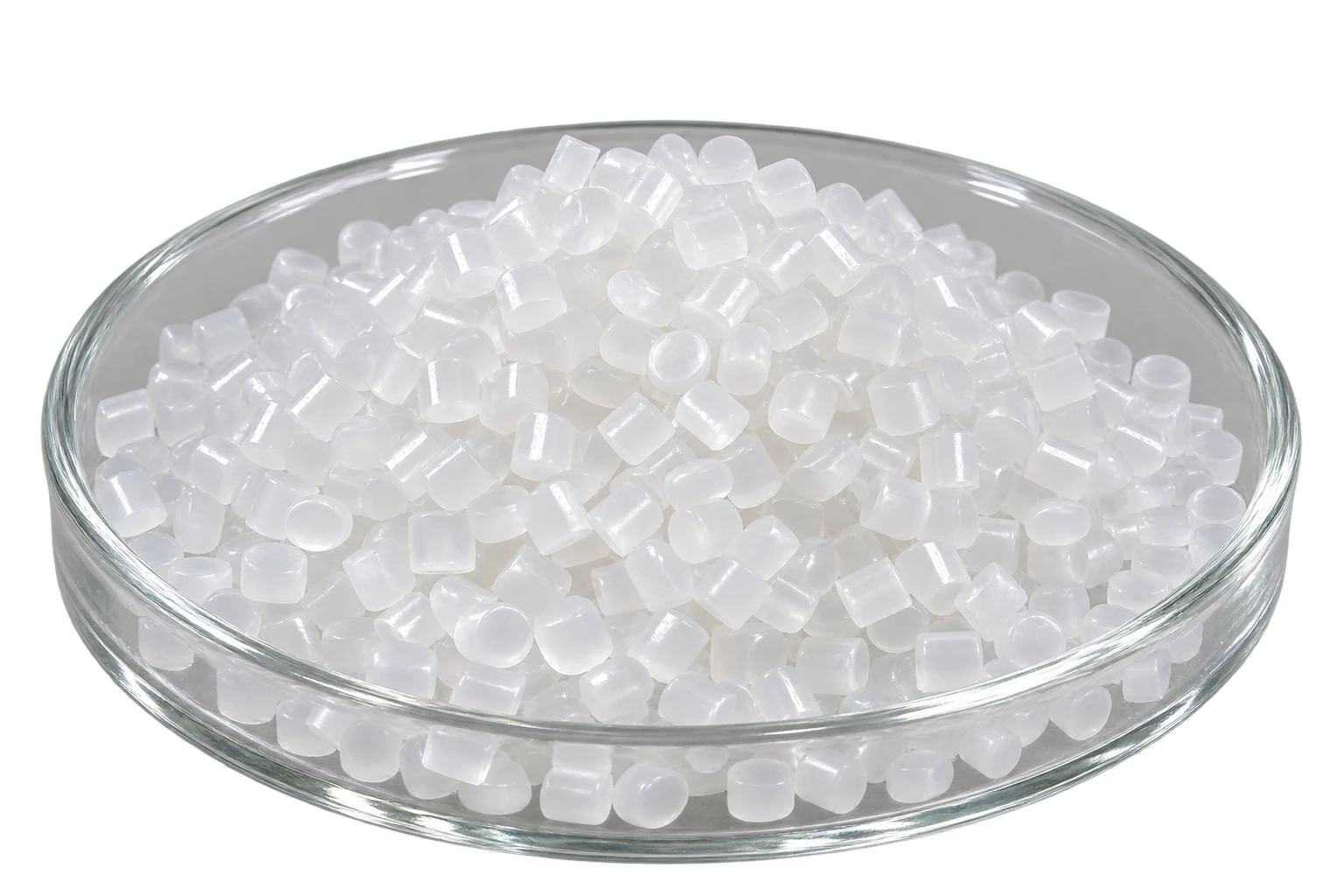
Density Marker Beads
Density marker beads are small colored microspheres of known mass density that are used for calibrating density gradients and determining density in gradient columns. Density gradients are often used for separations and purification of cells, viruses and sub-cellular particles. Generally a set of several density marker beads covering a range of densities is used. The gradient is calibrated with beads that float at different heights within the column. When a test sample is added to the column, it drops until the point of neutral buoyancy, and the density is determined from the calibration chart. Density gradient columns can be used to measure the density of any sample.
Fluorescent & Phoshorescent Microspheres
Polyethylene microspheres of high sphericity and narrowly graded particle size distribution are used in industrial and scientific applications for process control, diagnostics, and medical device technology. It is often advantageous to color code the particles by size to better understand which part of the process the spheres of the specific size were able to pass through, or where the contamination in the process is coming from. Polyethylene is inert to most solvents. Polyethylene microspheres are hydrophobic and need to be coated with surfactant prior to suspending in water or aqueous media.