Where it is used
Home / Paint & Coatings / ingredients
Paint & Coatings
Covestro (formerly Bayer MaterialScience) 科思创
Desmodur® DN is an aliphatic polyisocyanate of low volatility. Desmodur® DN is a solvent-free liquid polyisocyanate that is emulsifiable in water. Any occasional turbidity or precipitation visible is caused by very small amounts of processing aids These have no adverse effect on the processing and final properties of the cured adhesives. It can be used as the crosslinker for largely pH-neutral aqueous polymer dispersions including polyurethane, polyvinyl acetate, polyacrylate and synthetic rubber dispersions. Crosslinking increases the resistance of the bonds to heat, water, plasticisers and many solvents. Compared with Desmodur® DA, Desmodur® DN is characterised by its much lower viscosity and is not prone to turbidity at low storage temperatures. This product has an NCO content of 21.8 ± 0.5%, a viscosity at 23°C (rotation) of 1,250 ± 300 mPa·s, and an HDI monomer content of = 0.25%.
No document is attached to this grade yet.
Covestro (formerly Bayer MaterialScience) 科思创 publishes documents in the marked regions.
Covestro (formerly Bayer MaterialScience) 科思创 lists this grade in the Chemicals DB directory.
More grades from Covestro (formerly Bayer MaterialScience) 科思创
Baybond® PU 330 is an anionic, non-ionic polyester urethane polymer, used as the film-forming component in glass fibre sizes. Baybond® PU 330 is commonly used as the film-forming component in glass fiber sizing, especially for glass fibers used to reinforce thermosets. Glass fiber sizes based on Baybond® PU 330 have excellent film-forming properties and adhesion. This product also remains stable when exposed to shear forces. As with any product, use of Baybond® PU 330 in a given application must be tested (including but not limited to field testing) in advance by the user to determine suitability.
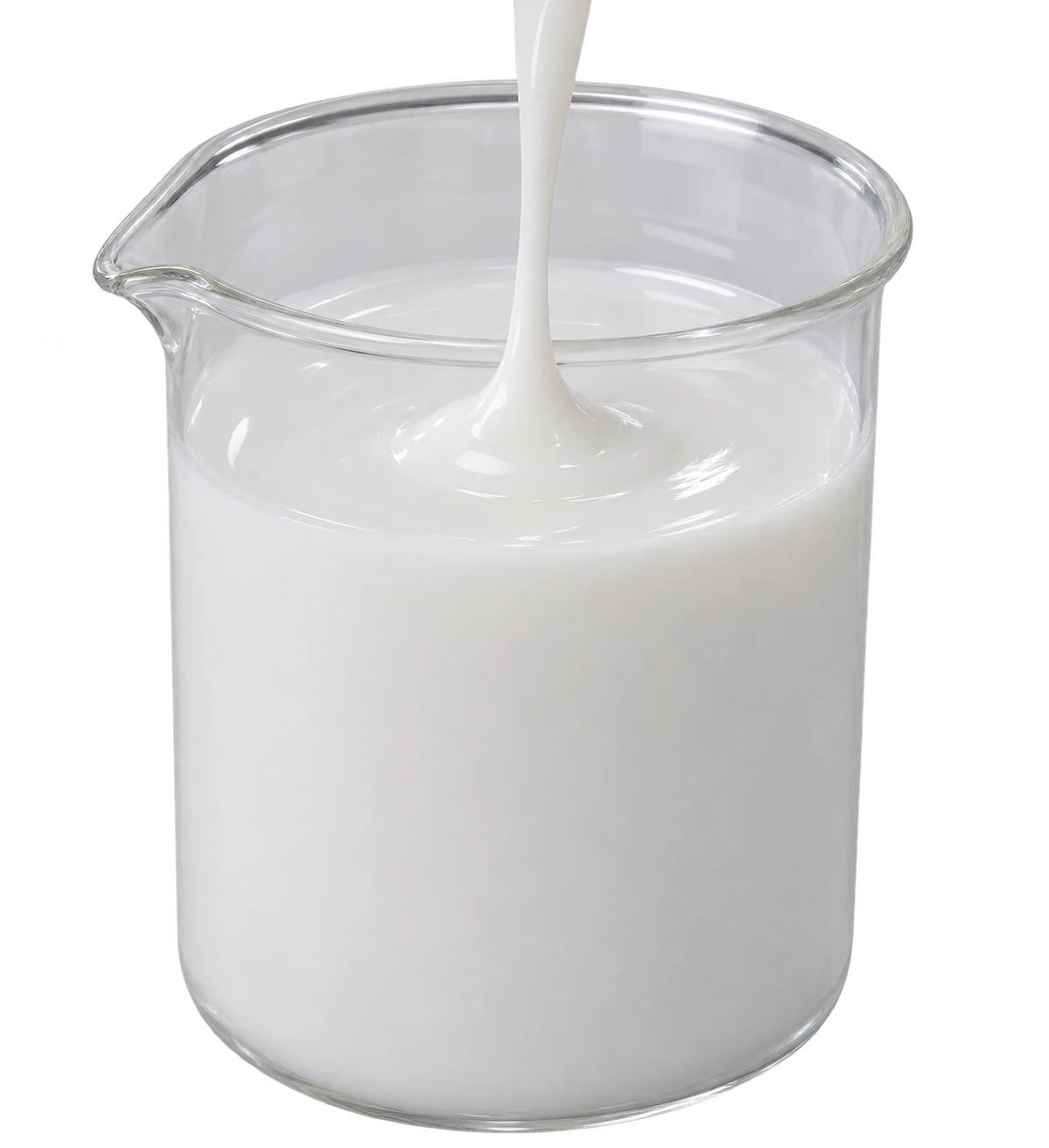
Baybond® PU 403 nionic, non-ionic polyester urethane polymer, used as the filmforming component in glass fibre sizes. It becomes milky white when dispersed in water. This product has a non-volatile content (0.9-1.1g / 1h / 125°C, convection oven) of 39 ± 1, a flow time at 23°C, (4mmcup) of 11-18, and a pH value at 20°C (supply form) of 6.0-8.0.
Baybond® PU 405 is an anionic/non-ionic crosslinking polyether urethane polymer used as the film-forming component in glass fibre sizes. This product becomes milky white when dispersed in water. This product has a non-volatile content (0.9-1.1g / 1h / 125°C, convection oven) of 32-35, a flow time at 23°C, (4mmcup) of 11-18, and a pH value 20°C (supply form) of 6.0-8.0. Baybond® PU 405 was developed for the sizing of glass fibres used to reinforce thermoplastics, particularly polyamide. Glass fibre sizes based on Baybond® PU 405 are characterised by their outstanding film-forming properties and very good adhesion. They have very good colourfastness, even at high temperatures. The mechanical film properties of the product are developed fully by post-crosslinking at temperatures from 170°C for a duration of 20 minutes. Baybond® PU 405 is also highly resistant to shear forces and hydrolysis.
Baybond® PU 406 is a non-ionic polyurethane polymer used as the film-forming component in glass fiber sizes. This product displays a milky white dispersion in water. It has a non-volatile content (0.9-1.1g / 1h / 125°C, convection oven) of 34.5 ± 1.5, a flow time at 23°C, (4mmcup) of 10-22, and a pH value at 20°C, (supply form) of 5.5-7.5.