Where it is used
Home / Paint & Coatings / ingredients
Paint & Coatings
Evonik Operations GmbH, BL Silanes
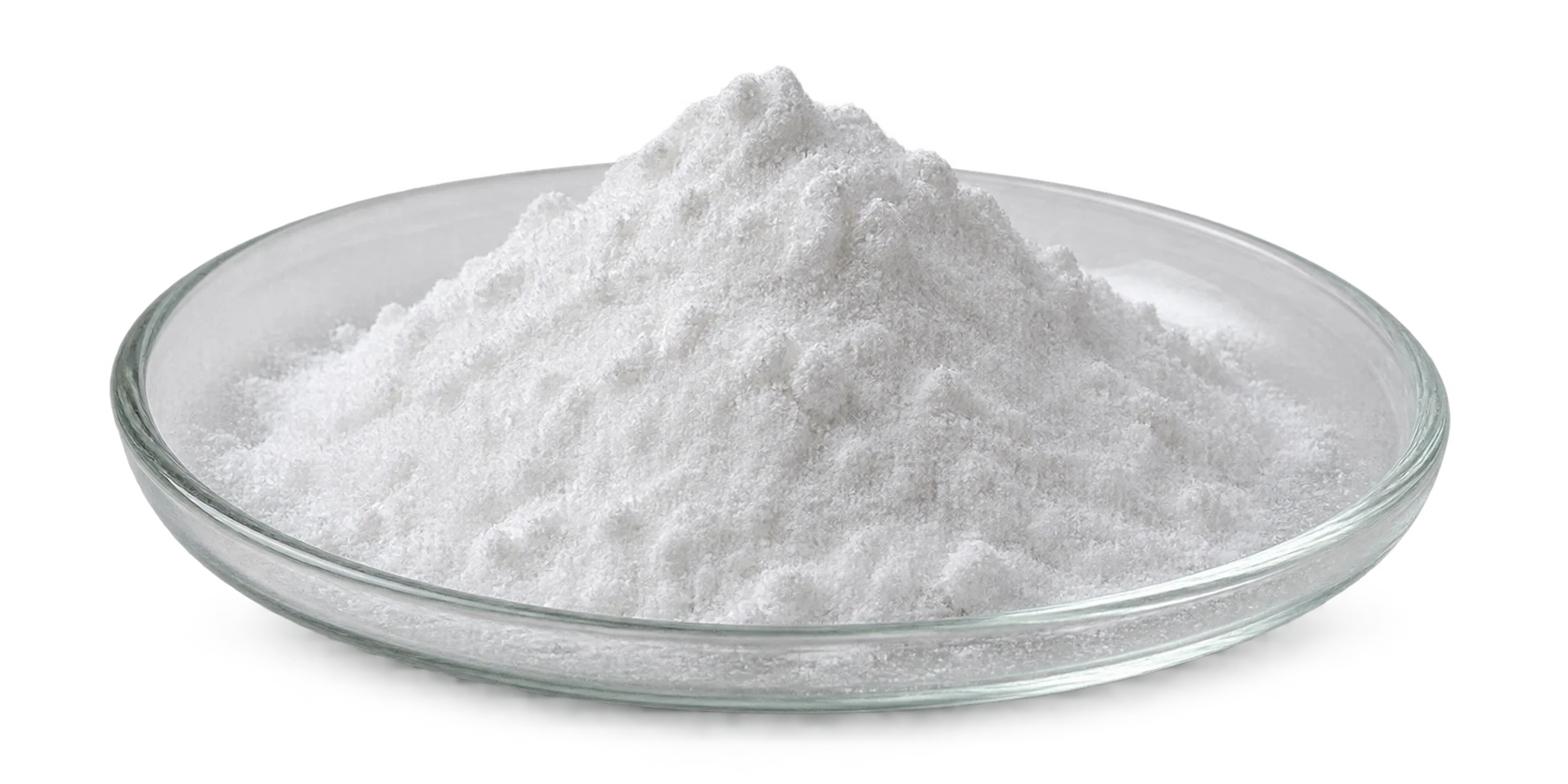
Dynasylan® 9116 is a monomeric long-chain alkylfunctional silane, that can be used as a surface modifier to generate strong hydrophobicity and lipophilicity on inorganic fillers and pigments. The long-chain alkyl functionality results in unique compound properties (better dispersion, high filler loadings, reduced water uptake) when Dynasylan® 9116 treated fillers or pigments are incorporated into non-polar polymers, waxes or oils.
No document is attached to this grade yet.
Evonik Operations GmbH, BL Silanes publishes documents in the marked regions.
Evonik Operations GmbH, BL Silanes lists this grade in the Chemicals DB directory.
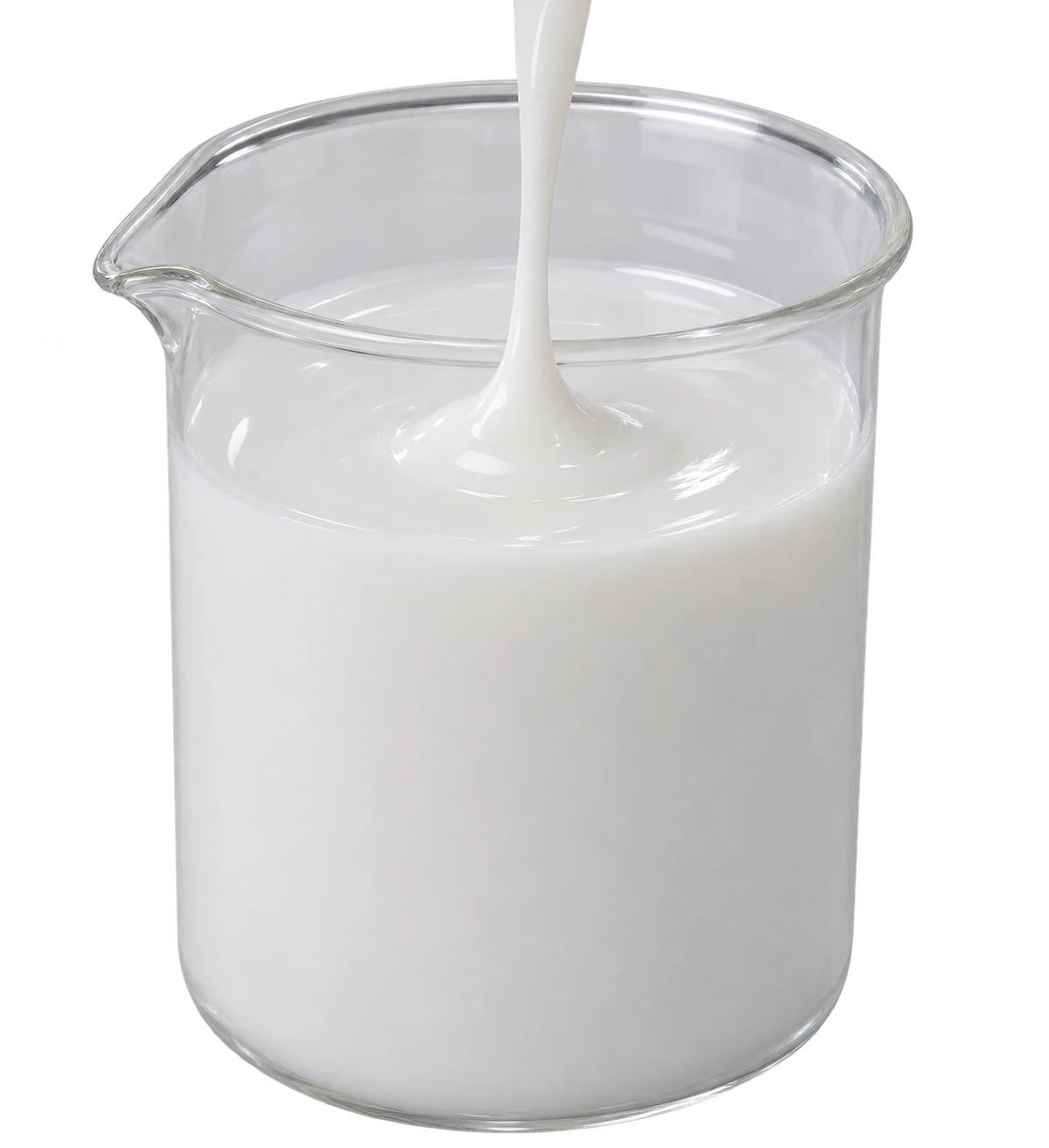
Dynasylan® 1124 is a secondary aminofunctional methoxy-silane. The product acts as an adhesion promoter between inorganic materials (for example glass, metals and fillers) and organic polymers (thermosets, thermoplastics and elastomers). It can also be used for the chemical modification of polymers and isocyanates.
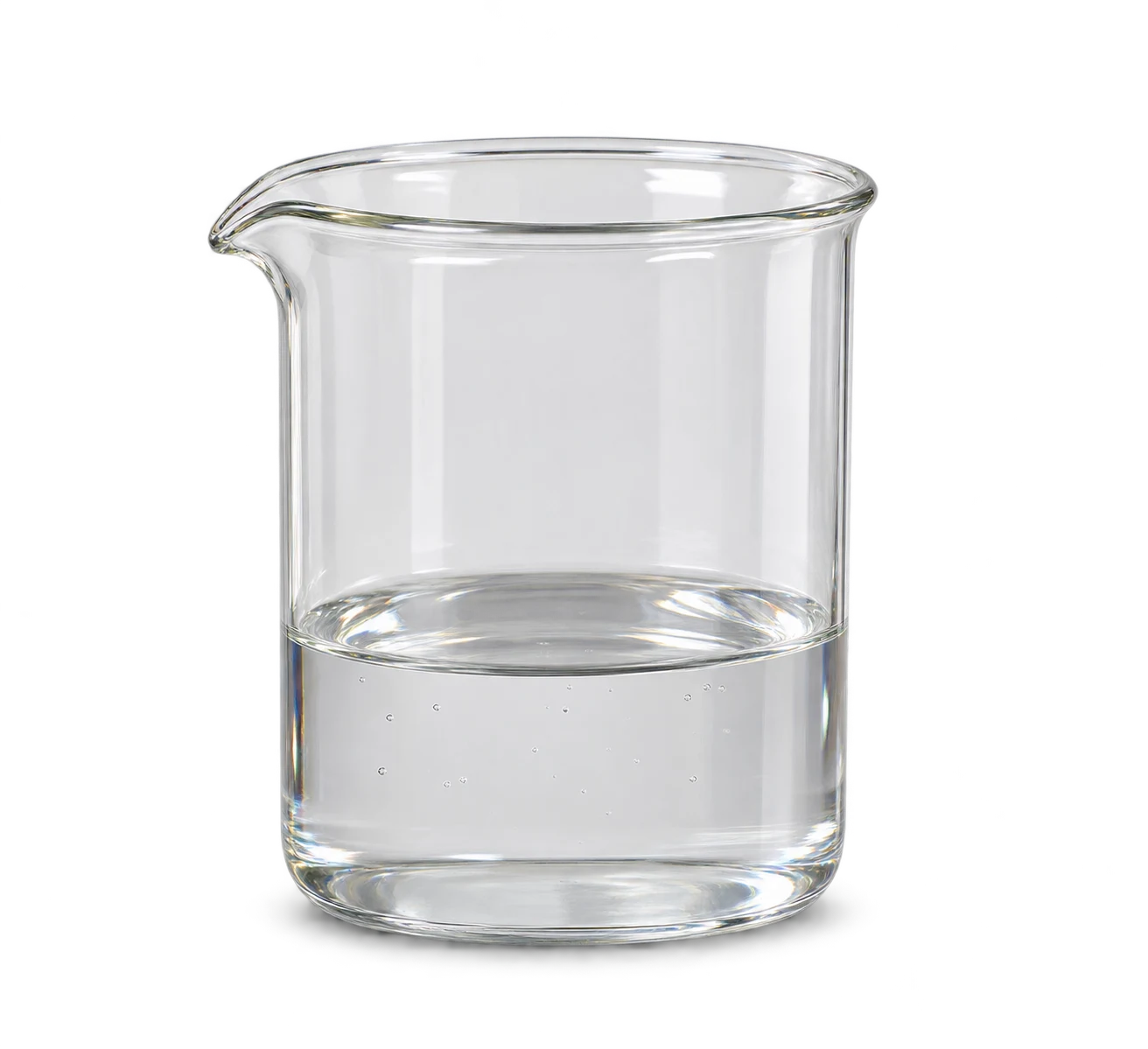
Dynasylan® 1505 is an amino-functional silane which acts as an adhesion promoter between inorganic materials (for example glass, metals and fillers) and organic polymers (thermosets, thermoplastics and elastomers). It can also be used for the modification of polymers.
Dynasylan® 2201 EQ is a bifunctional organosilane possessing a reactive organic ureido group and a hydrolyzable inorganic triethoxysilyl group.The dual nature of its reactivity allows Dynasylan® 2201 EQ to bind chemically to both inorganic materials (e.g. glass, metals, fillers) and organic olymers (e.g. thermosets, thermoplastics, elastomers), thus functioning as an adhesion promoter and as a surface modifier. Dynasylan® 2201 EQ is a 50% solution of silane in methanol, is a colorless liquid with an alcohol-like odor and is soluble in alcohols, ketones, esters or aromatic hydrocarbons. Due to novel patented process, Dynasylan® 2201 EQ is the first ureidofunctional silane, which contains no carcinogenic by-products, e.g. ethylcarbamate. Dynasylan® 2201 EQ is therefore not classified as "carcinogenic, class 2".
Dynasylan® 40 is a ethyl silicate with a silicon dioxide content of approximately 40 - 42 % upon complete hydrolysis (the Si content of Dynasylan® 40 is calculated as SiO2). Dynasylan® 40 is formed in the presence of water from tetraethyl silicate (Si[OEt]4) by partial hydrolysis of the ethoxy groups to hydroxyl groups and subsequent condensation with formation of siloxane bonds (-Si-O-Si-). Dynasylan® 40 is a colorless, low-viscosity liquid with an SiO2 content of 40% (the Si content of Dynasylan® 40 is calculated as SiO2). The polysilicic acids still have a sufficient content of ethoxy groups which can be activated by acid- or base-catalyzed hydrolysis. Condensation starts even during hydrolysis, with the formation of relatively large polymeric molecules. During storage of these hydrolysates, condensation continues until a gel is formed, where the rate depends on the degree of hydrolysis. The action of the hydrolysates as binders is based on the continuation of the hydrolysis with subsequent gelation and dehydration to give polymeric SiO2 structures.