
Where it is used
Home / Paint & Coatings / ingredients
Paint & Coatings
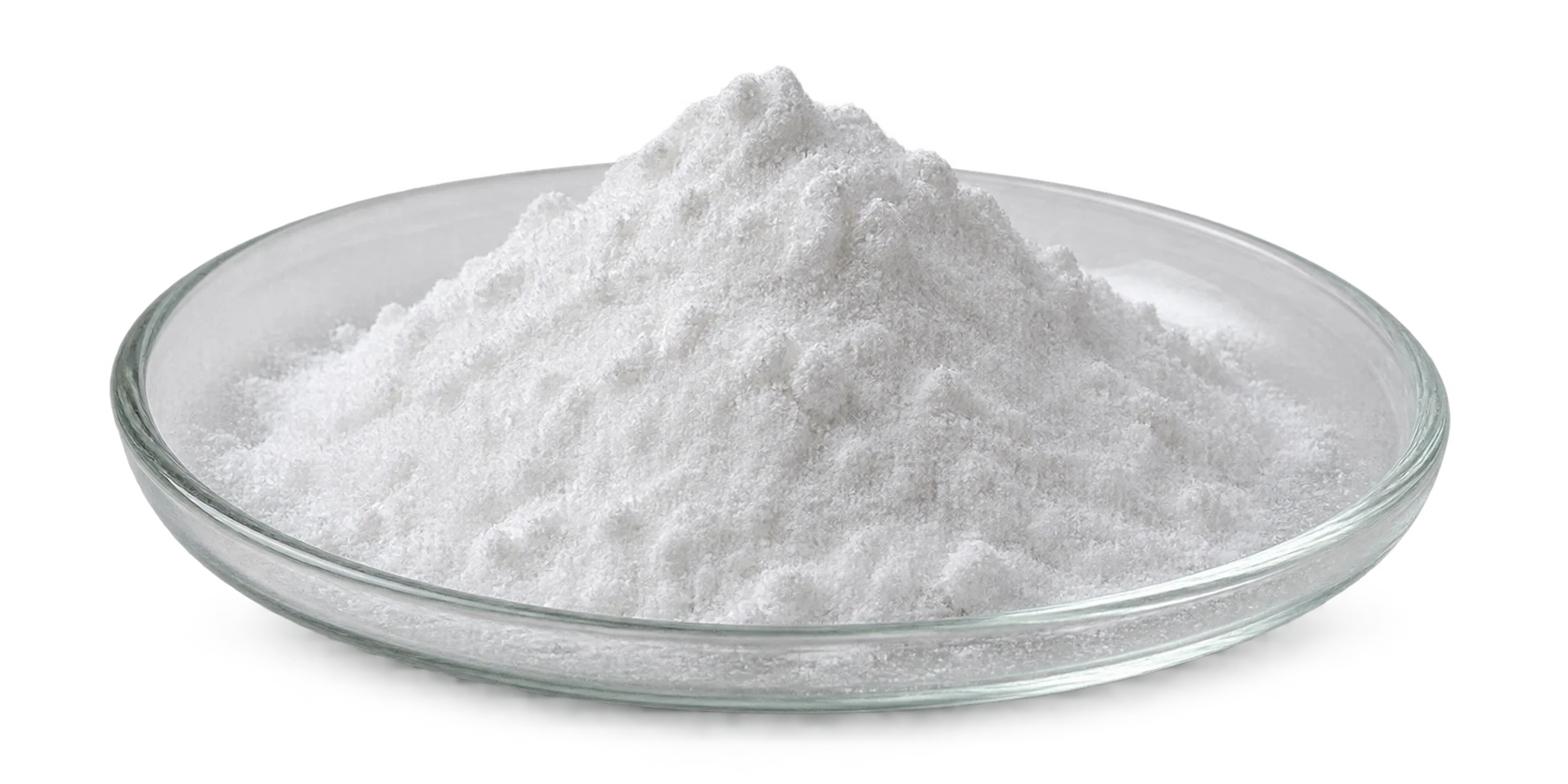
EcoFlame B-641TC, a white powder/granular form with the chemical name of Hexabromocyclodeodecane, is an additive flame retardant used in a wide range of textiles, coatings, adhesives, and plastics. It has high aliphatic bromine content, resulting in minimum effect on polymer physical properties and lower loading, and is tailor-made for coating and textile fields with disperse-ability and flow-ability. EcoFlame B-641TC has a varying particle size of 1-2, 3-5, and 7-13, it also has a molecular weight of 641.7, a bromine content of 74% min, a melting point of 180 min, and a purity of 99% min.
No document is attached to this grade yet.
Unibrom Corp. publishes documents in the marked regions.
Unibrom Corp. lists this grade in the Chemicals DB directory.
EcoFlame APP201 is a white fine particle ammonium polyphosphate that is largely insoluble in water, completely insoluble in organic solvent, and is non-flammable and non-hygroscopic. It can be used in sealants and adhesives, polyurethane foam (PU rigid, flexible, and rigid integral skin foam), intumescent coatings, cellulose-containing material, and in thermoplastics (PP): where it can be used in casting resin based on unsaturated PET resin and epoxy resin. EcoFlame APP201 has a molecular weight of n>1000, a pH value of 5.5 to 7.0, a density of 1.9 kg/L at 25°C, an apparent density of 0.7 kg/L, and an average particle size equal to or less than 15 um.
EcoFlame APP202 is a white fine particle ammonium polyphosphate that is largely insoluble in water, completely insoluble in organic solvent, and is non-flammable and non-hygroscopic. It can be used in sealants and adhesives, polyurethane foam (PU rigid, flexible, and rigid integral skin foam), intumescent coatings, cellulose-containing material, and in thermoplastics (PP): where it can be used in casting resin based on unsaturated PET resin and epoxy resin. EcoFlame APP202 can also be used in favorably in intumescent coating for exterior applications where the ammonium polyphosphate is essential to have tremendously low water solubility, in cellulose-containing materials (car’s fireproof cloth, military cellulose materials, paper, and wood), and in numerous polymers for exterior applications. It has a molecular weight of n>1000, a pH value of 6.5 to 7.5, a density of 1.9 kg/L at 25°C, an apparent density of 0.7 kg/L, and an average particle size equal to or less than 15 um.
EcoFlame APP203 is a white fine particle ammonium polyphosphate that is largely insoluble in water, completely insoluble in organic solvent, and is non-flammable and non-hygroscopic. It can be used in sealants and adhesives, polyurethane foam (PU rigid, flexible, and rigid integral skin foam), intumescent coatings, cellulose-containing material, and in thermoplastics (PP): where it can be used in casting resin based on unsaturated PET resin and epoxy resin. EcoFlame APP203 is also appropriate as acid donor for intumescent coatings and PU foams. It has a molecular weight of n>1000, a pH value of 7.5 to 8.5, a density of 1.9 kg/L at 25°C, an apparent density of 0.7 kg/L, and an average particle size equal to or less than 15 um.
EcoFlame APP204 is a white fine particle ammonium polyphosphate that is largely insoluble in water, completely insoluble in organic solvent, and is non-flammable and non-hygroscopic. It can be used in sealants and adhesives, polyurethane foam (PU rigid, flexible, and rigid integral skin foam), intumescent coatings, cellulose-containing material, and in thermoplastics (PP): where it can be used in casting resin based on unsaturated PET resin and epoxy resin. EcoFlame APP204 can be also be favorably used in solvent radical intumescent coatings and in thermoplastics. It has a molecular weight of n>1000, a pH value of 6.5 to 7.5, a density of 1.9 kg/L at 25°C, an apparent density of 0.7 kg/L, and an average particle size equal to or less than 15 um.