Where it is used
Home / Paint & Coatings / ingredients
Paint & Coatings
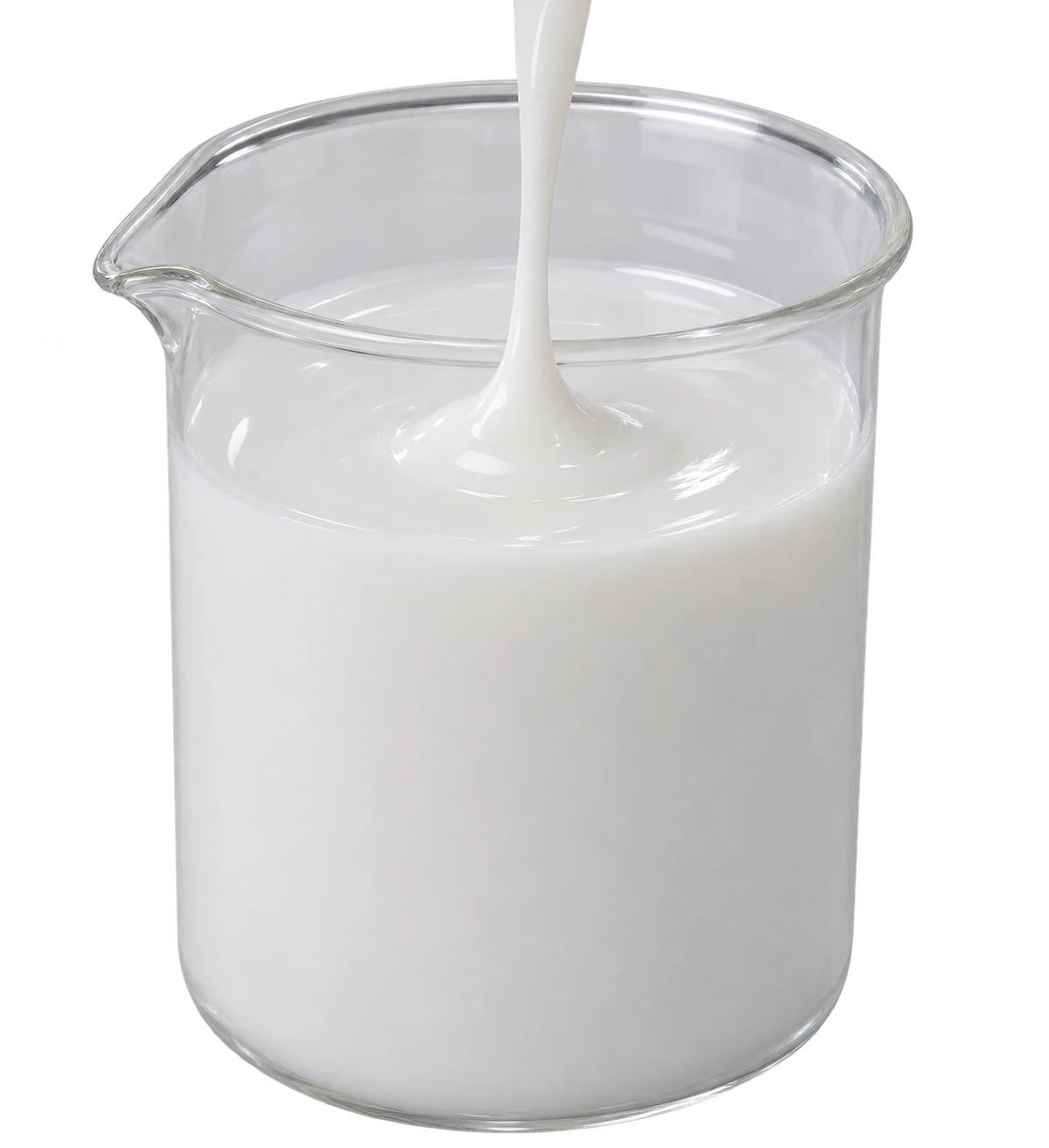
CV1-1144-0 is a one-part silicone dispersion that functions as a protective overcoating for atomic oxygen resistance in space applications. Due to its non-corrosive nature, it is ideal for coating electronic components and provides resistance against radiation and thermal stress. This product meets the lo outgas specifications outlined in NASA and the European Space Agency.
No document is attached to this grade yet.
NuSil Silicone Technology 1 publishes documents in the marked regions.
NuSil Silicone Technology 1 lists this grade in the Chemicals DB directory.
CF1-135 is high technology translucent silicone primer that is specifically formulated for use with platinum cured systems where conventional primers are insufficient. This product can help improve the adhesion of addition-cured systems to different substrates such as metals, ceramics, glass, some plastics and other silicone material. It is a one-component primer that is supplied in VM&P Napththa and it requires no mixing.
CF1-141 is a high technology silicone primer that is specially formulated to be used with platinum-cured systems and is colored red to provide an easy visual determination of surface coverage. It is a lower Volatile Organic Component (VOC) product and air dries. This primer improves adhesion of addition-cured systems to various substrates such as glass, metals, plastics, ceramics and other silicone materials.
CF1-3510 is a fluorosilicone potting and encapsulating elastomer that cures with the addition of heat. It is best used for applications that require solvent resistance and for molding parts such as stoppers, o-rings, and seals. This product can also be used as an encapsulating, potting and sealing material and it is best used in applications requiring an operating temperature range of -65°C to 240°C (-85°F to 465°F).
CF1-3710-2 is a fluorosilicone foam that has a 1:1 ratio with a white Part A and gray Part B for easy identification and mixing. This product cures very quickly at room temperature to an elastomeric foam. It can be used as a solvent resistant seal or in shock and vibration dampening situations that require a flexible, light weight foam with exceptional radiation resistance and thermal insulation. This foam is especially useful where stability at higher and lower temperatures is required.